Quick Gear Reference Table
| Gear Item | Purpose | Key Functional Benefits |
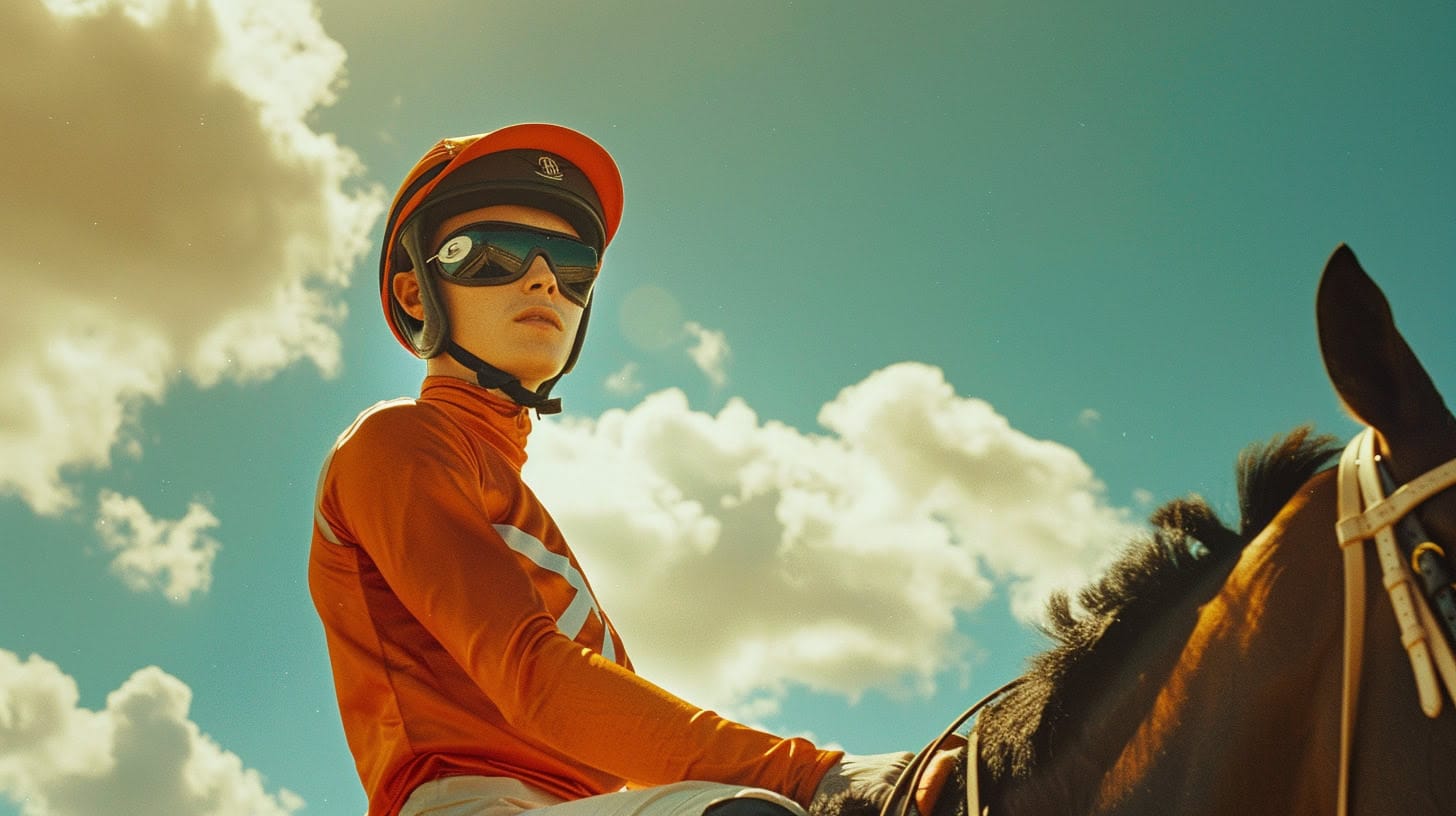
| Jockey Outfits | Streamlined, lightweight clothing for mobility and identity | Reduces drag, increases comfort, withstands race wear |
| Jockey Goggles | Eye protection during high-speed racing | Guards against debris, prevents fogging, maintains visibility |
Understanding the Role of Jockey Outfits
Racing silks have a dual role—representing the stable while also providing a competitive edge through their design and material. Over the years, the apparel has shifted from simple identifiers to precision-tailored racing gear.
Modern jockey outfits horse racing use high-performance fabrics that allow unrestricted movement, resist tearing, and minimize drag. The fit is deliberately snug to reduce loose material flapping in the wind, which could affect aerodynamics.
Why Performance Clothing Matters in Horse Racing
In a sport where seconds determine outcomes, gear plays a major role. The right outfit can:
- Maintain consistent body temperature through breathable fabric
- Allow for precise weight distribution without extra bulk
- Withstand strong wind resistance without ripping
For a jockey, comfort and performance are inseparable—any distraction can compromise the race strategy.
The Necessity of Jockey Goggles
The race track environment is full of potential hazards for the eyes—flying dirt, kicked-up stones, and unpredictable weather conditions. jockey goggles address these issues with specialized features designed for speed.
These typically include:
- Lenses resistant to shattering under high impact
- Anti-fog coatings for consistent clarity
- Flexible straps that hold firmly even during vigorous motion
Some riders wear multiple layers of goggles and remove them mid-race to keep a clear view of the track ahead.
Adapting Apparel for Weather Conditions
Horse racing takes place under all kinds of weather, and jockeys must adapt without sacrificing speed or control:
- Hot weather – ultra-light fabrics to prevent overheating
- Cold weather – insulated yet flexible underlayers
- Wet conditions – moisture-repellent materials to avoid added weight
Choosing the correct gear setup can be as strategic as the race plan itself.
Racing Colors: More Than Decoration
The colors and patterns on a jockey’s silks serve as an identification system. These designs are registered, ensuring they remain unique to each stable or owner.
Common patterns include:
- Stripes and bands
- Diamond and chevron shapes
- Contrasting sleeves and collars
This visual language is integral to the sport, allowing quick recognition even at top racing speeds.
Keeping Gear in Top Condition
Jockey equipment faces tough conditions and must be maintained to perform well over time. Recommended practices include:
- Washing silks gently to preserve the fabric’s integrity
- Using proper lens cleaning solutions for goggles
- Storing gear in breathable, protective cases to prevent damage
Consistent maintenance ensures gear remains both functional and compliant with race standards.
The Future of Jockey Gear
Technology continues to refine racing apparel and eyewear. Current trends are focusing on:
- Smarter fabrics that regulate temperature and moisture
- Lighter, more durable lens materials
- Streamlined tailoring to further reduce wind resistance
These innovations keep the sport aligned with both tradition and modern athletic performance demands.
Conclusion
In horse racing, gear is a finely balanced combination of safety, performance, and tradition. The right clothing and eyewear help a jockey stay focused, agile, and protected from the physical demands of the race. From fit and material choice to upkeep and weather adaptation, every detail counts when the stakes are measured in fractions of a second.