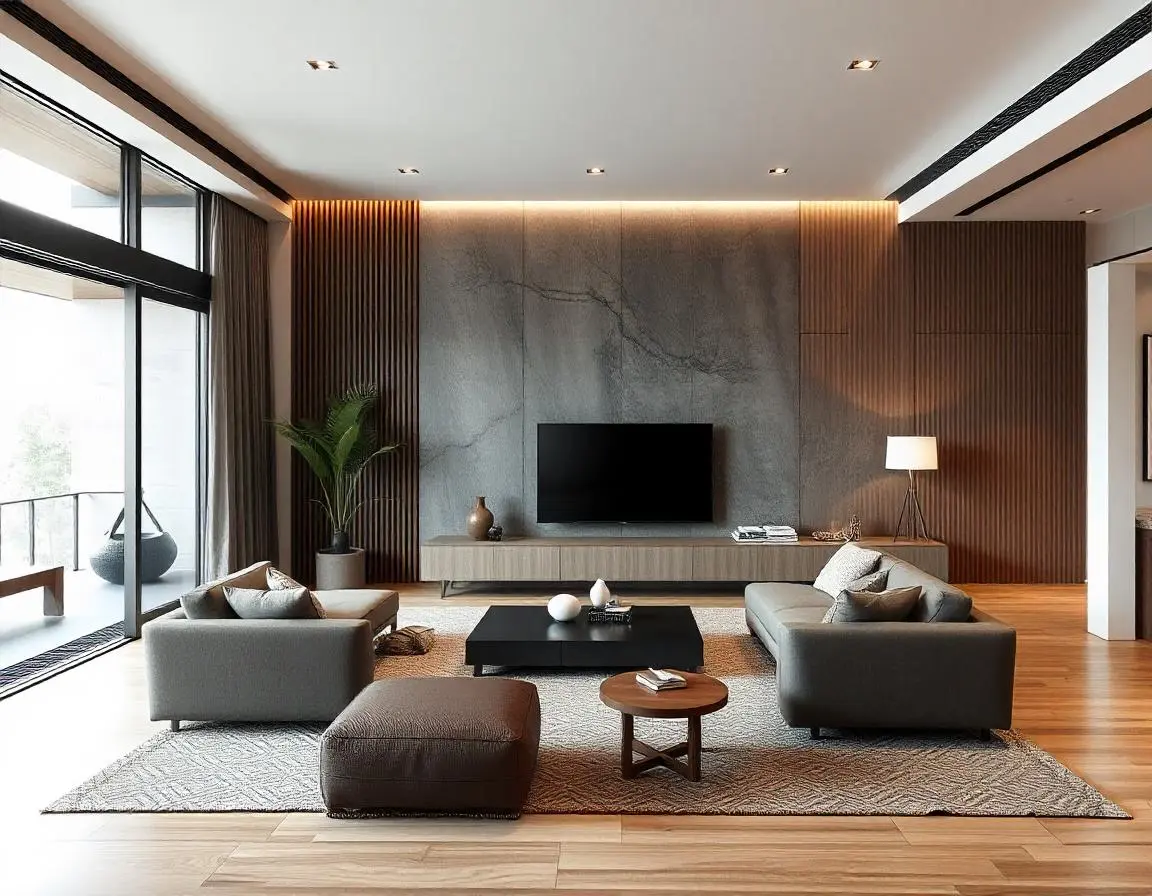
In the world of home design, few styles capture the essence of simplicity, harmony, and functionality quite like Japanese home design plans. Rooted in centuries-old traditions, these plans emphasize minimalism, natural materials, and a deep connection to nature—principles that are increasingly popular among homeowners seeking serene, efficient living spaces. Whether you’re a real estate agent showcasing properties or a homeowner planning a remodel, exploring Japanese home design plans can inspire transformations that blend ancient wisdom with contemporary needs. In this article, we’ll dive into the key elements, popular layouts, benefits, and tips for incorporating these designs into your home.
The Core Principles of Japanese Home Design Plans
At the heart of Japanese home design plans is the philosophy of wabi-sabi—embracing imperfection and transience—and Zen minimalism. These plans prioritize open spaces, natural light, and multifunctional areas over clutter and excess says Oceanside Property Management Company. Traditional elements like tatami mats, shoji screens (translucent paper panels), and engawa (veranda-like extensions) create a seamless flow between indoor and outdoor environments.
Modern adaptations of Japanese home design plans often incorporate sustainable materials such as bamboo, cedar wood, and rice paper, aligning with eco-friendly trends in real estate. For instance, architects draw from historical ryokan (inn) layouts or contemporary Tokyo apartments to create plans that maximize small footprints—ideal for urban dwellers or those downsizing.
If you’re searching for Japanese home design plans online, you’ll find influences from renowned architects like Tadao Ando, whose concrete-and-light designs embody simplicity. These principles not only enhance aesthetics but also promote mental well-being, a key selling point in today’s real estate market.
Popular Types of Japanese Home Design Plans
When it comes to Japanese home design plans, variety abounds to suit different lifestyles and lot sizes. Here are some standout options:
1. Traditional Sukiya Style Plans
Inspired by tea houses, these Japanese home design plans focus on modesty and craftsmanship. Features include low ceilings, sliding fusuma doors, and genkan (entryway) areas for shoe removal. Ideal for suburban homes, they often include a central courtyard or garden to foster tranquility. Square footage typically ranges from 1,000 to 2,000 sq ft, making them adaptable for family living.
2. Modern Minimalist Layouts
For urban settings, contemporary Japanese home design plans emphasize vertical space and smart storage. Think open-plan kitchens merging with living areas, built-in cabinets (oshiire), and large windows for natural ventilation. These plans are perfect for eco-conscious buyers, incorporating energy-efficient elements like solar panels and rainwater harvesting systems.
3. Hybrid Plans for Western Homes
Blending East and West, these Japanese home design plans integrate elements like Zen gardens or tokonoma (alcoves for art) into standard floor plans. Real estate agents often recommend them for renovations, as they can transform a basic ranch-style home into a serene retreat without major structural changes.
According to architectural trends from sources like ArchDaily and Houzz, searches for Japanese home design plans have surged by 25% in the last year, driven by the tiny home movement and remote work needs.
Benefits of Adopting Japanese Home Design Plans
Why choose Japanese home design plans over other styles? The advantages extend beyond beauty:
- Space Efficiency: In a world where real estate prices are soaring, these plans make the most of limited space. Multifunctional rooms reduce the need for expansions, appealing to budget-conscious homeowners.
- Sustainability and Health: Natural materials promote better air quality and reduce environmental impact. The emphasis on natural light and ventilation can lower energy bills by up to 20%, as noted in studies from the Japan Architectural Institute.
- Aesthetic and Emotional Appeal: The minimalist vibe reduces stress and clutter, creating a “sanctuary” feel. For real estate agents, properties with Japanese home design plans often sell faster, with a premium of 5-10% in markets like the UK and US.
- Versatility in Home Decor: As someone interested in home decor, you’ll appreciate how these plans serve as a canvas for elements like bonsai plants, ikebana arrangements, or neutral color palettes. They pair beautifully with modern furnishings, making them easy to personalize.
Incorporating these benefits can significantly boost a property’s marketability—something I’ve observed in my real estate experience.
How to Create or Adapt Japanese Home Design Plans for Your Space
Ready to implement Japanese home design plans? Start with these actionable steps:
- Assess Your Space: Measure your home and identify areas for openness. Tools like free online floor plan software (e.g., RoomSketcher) can help visualize Japanese home design plans.
- Incorporate Key Elements:
- Use sliding doors to create flexible rooms.
- Add natural textures like wood flooring or stone accents.
- Designate a “Zen zone” with minimal furniture and plants.
- Budget and DIY Tips: For home improvement enthusiasts, start small—perhaps by building a simple engawa porch. Costs for full implementations range from £10,000-£50,000 in the UK, depending on scale. Visit sites like homeimprovementcast.co.uk for decor ideas that complement Japanese aesthetics.
- Consult Professionals: Work with architects specializing in Eastern designs or real estate agents who understand cultural integrations. In the UK, firms like those featured on Dezeen offer bespoke Japanese home design plans.
Remember, the goal is harmony—avoid over-decorating to maintain the minimalist ethos.
Challenges and Considerations in Japanese Home Design Plans
While Japanese home design plans are versatile, they’re not without hurdles. In colder climates like the UK, insulation is crucial to adapt traditional thin walls. Cultural sensitivity is also key; ensure designs respect origins without appropriation. For real estate flips, focus on universal appeals like sustainability to attract buyers.
Final Thoughts: Embrace the Serenity of Japanese Home Design Plans
Japanese home design plans offer a blueprint for living that’s both poetic and practical, perfect for today’s fast-paced world. Whether you’re renovating for personal joy or enhancing a property’s value as a real estate agent, these designs promise enduring appeal.
What are your thoughts on incorporating Japanese home design plans into your next project? Share in the comments below, and let’s discuss how this timeless style can transform modern homes.