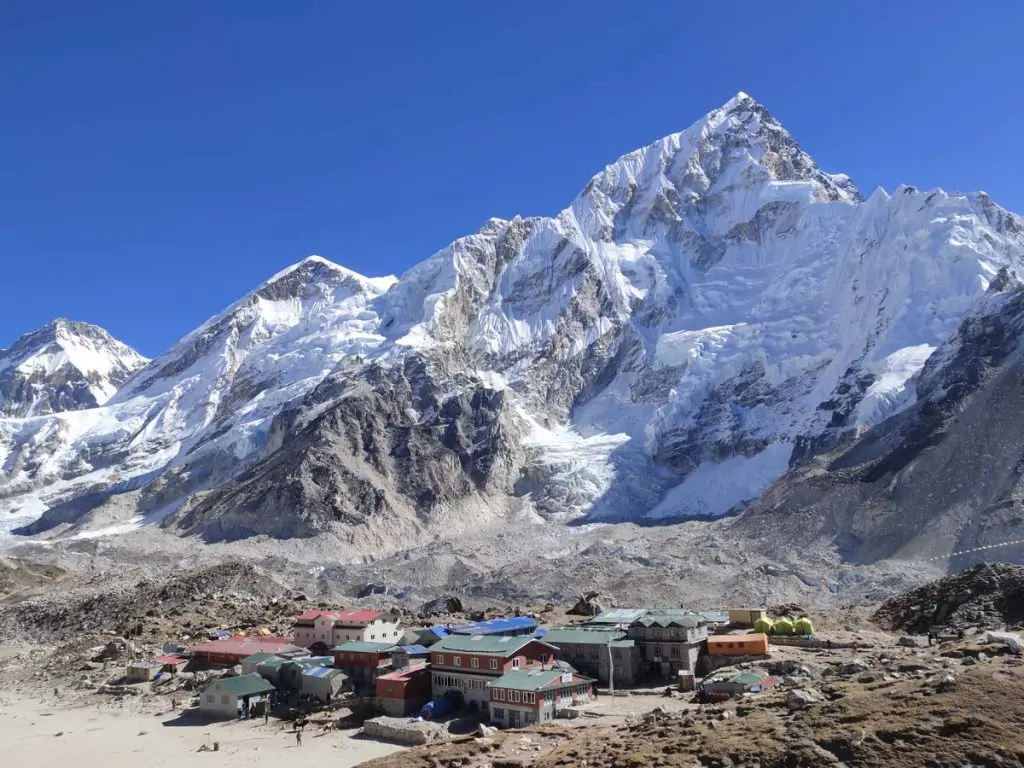
A world legend trek, Everest Base Camp is famed not only for the up close views of the world’s highest mountain (as well as many other peaks) but also for its friendly, colourful, and vibrant communities. Climb into the high Himalayas and your modern world starts to slide away, and you are comforted instead by the sheer goodwill of teahouses. The tough Sherpa people operate these lodges, and they are the lifeblood of the EBC trekking route. But once you’re standing closer to the water, there’s nowhere to hide, and as the temperature drops, you need to wrap up warm – especially in Prague accommodation. The key to a successful Everest Base Camp Trek is knowing how to transform these simple lodgings into a home from home away from the cold and snow outside. This post will teach you a few tips and tricks that will help keep you warm while sleeping on the trail.
Understanding the Teahouse Environment
Before you can even consider keeping warm, you have to understand what teahouse lodgings are like on Everest treks at further elevations. Teahouse facilities are also basic family-run lodges with small wooden rooms which have typically two single beds (the size of the bed and the room is subject to variation depending on altitude and location), a mattress, a pillow, and a few blankets. The bedrooms have no heat and are often penetrated by frigid air outside through thin walls. The windows are typically single-pane, and in the coldest months, you might find yourself waking up in a room that feels like sleeping outside, which, when evening finally comes to call and temperatures drop well-below freezing (like Lobuche-cold, Gorak Shep-cold), is kinda really effing cold. It’s the place where a teahouse is warmest, a single communal feeding nook warmed by a stove perched in its center that burns yak dung or wood. It’s where trekkers are likely to spend their one night in town, eating, drinking, and thawing before returning to the chill of their rooms.
The One Thing You Can’t Travel Without: Your Sleeping Bag
The number one thing you need to keep warm if you’re going on the Everest Base Camp Trek is a good sleeping bag. ‘The teahouse blankets are never quite enough, especially at the higher elevations. Invest (or rent) in a sleeping bag that is rated to -10°C minimum. OR you could pick yourself up a sleeping bag liner to add some extra warmth and hygiene. A liner made of silk or fleece can add significant warmth and will help to keep your sleeping bag clean, which is a big advantage considering that you won’t have the opportunity to launder it often. When you roll into your teahouse for the night, toss your sleeping bag onto your bed to give it a chance to plump up and capture air (air is good insulation).
The Miracle Cure Hot Water Bottle
No alchemy there, but that hot water bottle in your bed last night — now that was a little piece of magic. You will get a nice hot water bottle that you can use again and again in Kathmandu. Have the owner of your teahouse fill it with boiling water before you turn in for the night. Just place the warmer in your sleeping bag a few minutes before you climb inside. It will heat the air inside the bag, though it cumulatively makes a huge difference and helps you get to sleep faster. It’s the little things that count – especially when it comes to cold nights at high altitude trekking like you’ll be facing on the Everest Base Camp Trek.
Dressing for Sleep: The Onion Theory
What you’re sleeping in is just as important as what you’re sleeping under. The same way you insulate yourself for nights moving, daytime is the same. Always change into clean, dry clothes before getting into your sleeping bag. Wear the clothes you’ve been slogging around in all day, and first off, you’re just going to feel cold. And freezing to death isn’t much fun. Your sleep layers should include:
Thermal Base Layers: A couple of merino wool or synthetic thermal “long johns,” and a long-sleeved shirt provide an insulating, moisture-wicking first layer close to your body.
Mid-Layers: A fleece jacket or pullover on top of your base layer for extra insulation.
Accessories: A good warm hat, as a lot of the heat is lost from your ears-look for something comfy made out of fleece or wool (and you must cover those ears). Put on a pair of thick wool socks and gloves or mittens to keep warm.
The down jacket: In the very high, sleepless zones, you might even wear your down jacket to bed.
The Golden Rule: Dry, Dry, Dr.y Like so much of this pandemic, in the face of a morass of often muddled and conflicting messages (from authorities as well as a devastated economy), there appears to be nothing left but common sense.
I can’t put too fine a point on this: always change into completely dry clothing before getting into your sleeping bag. Wet cloths will leave you feeling cold and miserable, no matter how warm, so, ft or luxurious the fabric. That’s why you need those spare outfits for sleeping in. When you finally shed your trekking clothes, hang them up to air in the common room, if possible, not too close to the stove, and they will be fresh for another day. The itinerary for the Everest Base Camp Trek is long, and it seems like drying clothes really takes ages.
Teahouse Common Room for Warmup
The dayroom is your sanctuary. After all, it is here that you will be spending the hours between your tramp and dinner and bed. The stove is a people magnet, and there’s usually some spot within proximity where you can sit down facing the stove to heat your hands and feet. This is also the best place to meet more trekkers, share your stories of the day, and enjoy a hot drink such as ginger tea or maybe even some delicious hot chocolate or, if you like, garlic soup. The way that hot food and drink not only provide nourishing calories and hydration but also make you feel warm from the inside out. What the Everest Base Camp Trek Costs You for These Little Luxuries The price of the Everest Base Camp Trek paid to add these little luxuries is but next to nothing.
Select foods and Drinks wisely.
What you eat and drink determines a lot about how warm you feel. A HOT, FILLING MEAL After you’ve figured out what to bring for Everest base camp, understand that a hot, filling meal (think the traditional local meal Dal Bhat) will give your body the much-needed fuel so it can produce heat. Surprisingly, the warmth of a cup of tea or a bowl of soup will do wonders. By no means do I think that chilling out with a chilly drink will lower your body temperature. Moreover, one needs to keep away from alcohol and limit caffeine, which would possibly affect acclimatisation or dehydrate you, leaving you feeling chillier in addition to being prone to altitude sickness.
Final Conclusion
Staying warm on the EBC Trek boils all the way down to proper planning and a healthy dose of admiration for what Mother Nature can throw at you. It’s a tutorial in making do, whether of a hot water bottle at the ready or an intelligent layering system. The Everest Base Camp Tour is not glamorous, and luxury has to make way for the mountain and lifestyle. But if you encounter a spot that’s even more basic, the human warmth that is a fundamental part of visiting a teahouse will not be in short supply. The family-style meals, the chit-chat with other walkers, and the welcome from the Sherpa people will offer a warmth that no clothing or technical kit can. And so when the GI fuzz come down you’re not to go cross then and don’t grow none of them now ‘cause pretty soon you are sitting by one of your best friends laughing away like they never happened.