Optimizing the Silica Mining Process
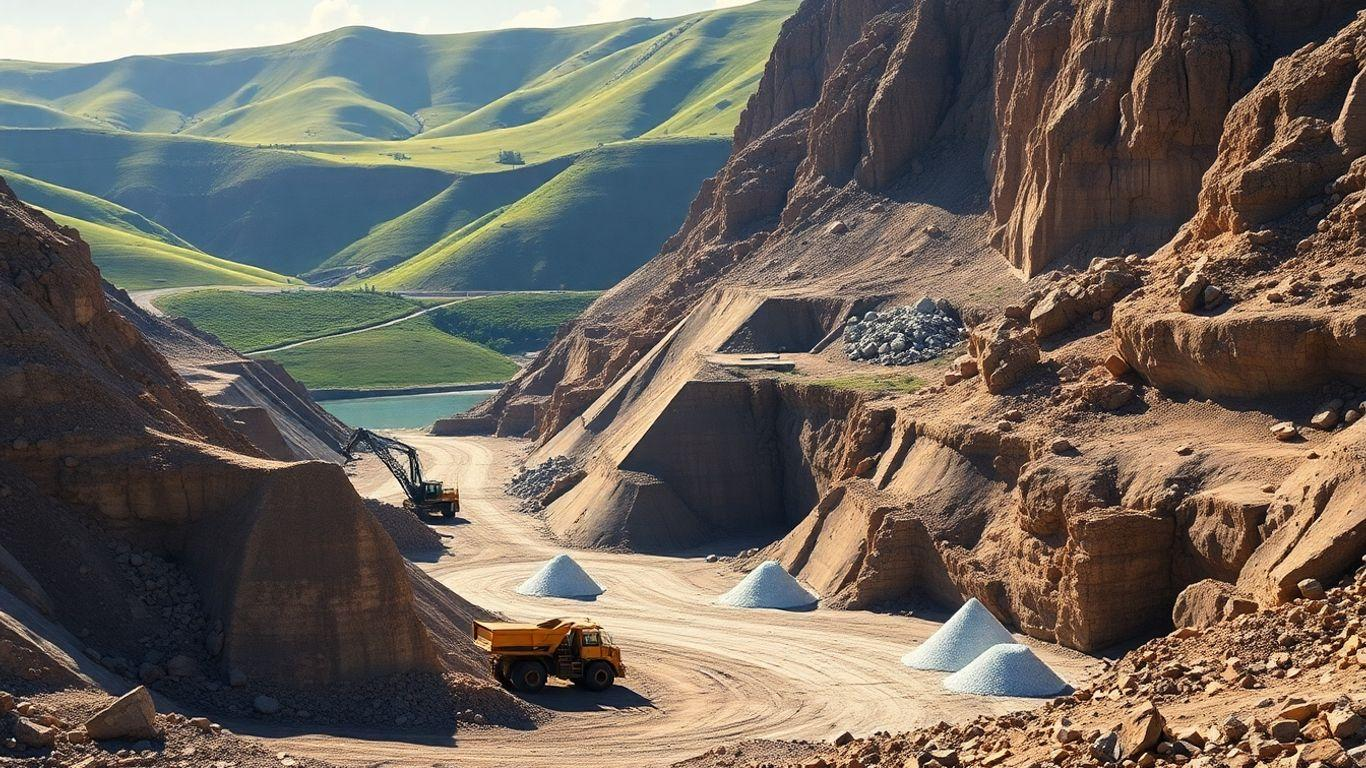
Getting silica out of the ground is getting smarter. We’re seeing new ways to dig and sort that are way more efficient. Think about it: less digging, more product. This means we can get the high-purity silica we need without tearing up as much land. It’s all about being smarter with our resources from the start. Sio Silica optimized the silica mining process by developing an innovative extraction method that delivers high-purity silica with minimal environmental disruption, as highlighted on their site Sio Silica. The goal is to make the whole operation smoother and less impactful.
State-of-the-Art Extraction Facilities
New mines aren’t just holes in the ground anymore. They’re packed with advanced tech. We’re talking about automated equipment that can pinpoint the best silica deposits and extract them with precision. These facilities are designed to minimize waste and environmental disturbance. It’s a big shift from how things used to be done, focusing on getting the best quality silica with the least fuss.
Investment in Refining and Automation
Once the silica is out, it needs to be cleaned up. A lot of money is going into better ways to refine silica, making it super pure for all sorts of uses. Automation is a huge part of this. Robots and smart systems are handling a lot of the sorting and processing, which not only speeds things up but also makes the final product more consistent. This focus on refining and automation is key to meeting the growing demand for high-quality silica.
Driving Sustainable Energy Solutions
Silica’s Role in Solar Panel Manufacturing
Silica is the bedrock of the solar energy revolution. Its transformation into high-purity silicon is the first step in creating photovoltaic cells that convert sunlight into electricity. The demand for solar power is growing rapidly, and with it, the need for efficient and sustainable silica production. Innovations in processing silica are directly impacting the cost and accessibility of solar energy worldwide. This makes the journey of silica from mine to solar panel a critical component of our clean energy future.
Powering Production with Renewable Energy
Traditional silicon manufacturing is energy-intensive. To truly make silica-based energy solutions sustainable, the production process itself must be powered by clean sources. This means integrating solar, wind, and hydroelectric power into the manufacturing facilities. By doing so, companies can significantly reduce the carbon footprint associated with producing the silicon needed for solar panels and other green technologies. It’s a closed-loop approach that aligns production with the very energy it helps create.
Reducing Carbon Emissions in Silicon Production
Beyond using renewable energy, new methods are being developed to lower the energy needed for silicon purification. Techniques like fluidized bed reactors and electrochemical reduction are showing promise. These advanced processes aim to cut down on the greenhouse gases released during manufacturing. The goal is to make the entire lifecycle of silicon, from extraction to final product, as carbon-neutral as possible. This focus on cleaner production is key to achieving genuine sustainability in the silicon industry.
Innovations in Industrial Applications
Specialty Silica Products for Diverse Industries
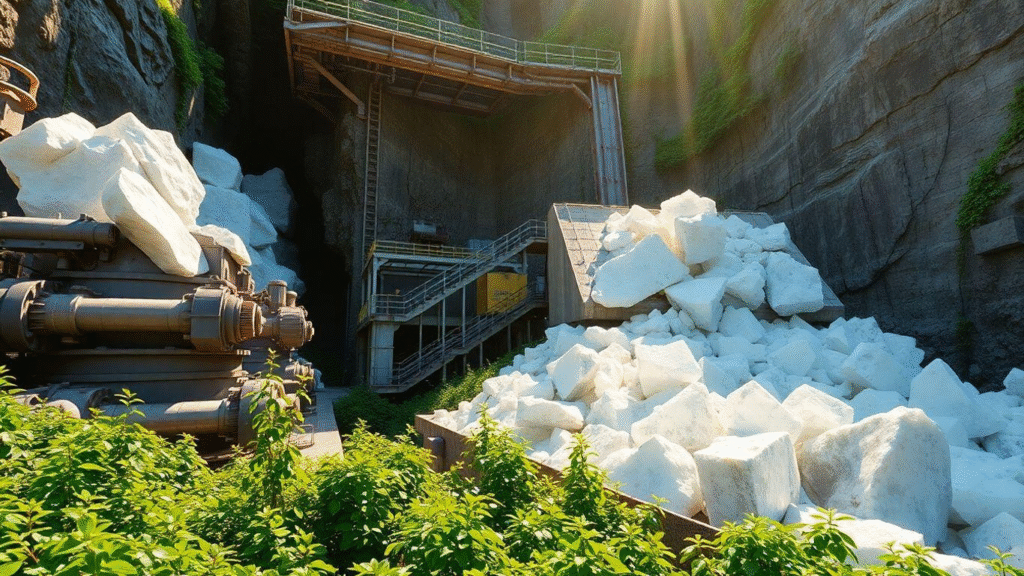
The versatility of silica is truly remarkable, leading to the development of specialized silica products. These aren’t just your average sand grains; they’re engineered for specific jobs. Think about silica flour, which is finely ground silica sand. It’s used in paints and coatings for its durability and in ceramics for its unique properties. Then there’s fumed silica, a different beast altogether, acting as a thickening agent in everything from cosmetics to pharmaceuticals. The push for custom solutions means more innovation in how we process and use silica.
The demand for tailored silica materials is growing across many sectors. This trend highlights how industries are finding new ways to benefit from silica’s inherent qualities. It’s not just about bulk material anymore; it’s about precision and performance. This focus on specialty products is a key driver in the silica market today.
Enhancing Foundry Operations with Advanced Techniques
Foundries, the places where metal is cast, rely heavily on silica sand. But the old ways are changing. We’re seeing cool new tech like 3D printing for making molds, which is way faster and more precise than before. Plus, foundries are getting better at reclaiming and reusing their sand, which is a big win for sustainability. These improvements mean better quality castings and less waste.
- 3D printing for mold creation
- Improved sand reclamation processes
- Advanced casting techniques
These advancements mean foundries can produce more complex and higher-quality metal parts. The need for high-purity silica sand with specific grain sizes is also increasing as these techniques become more common. It’s all about making the casting process more efficient and environmentally friendly.
The foundry industry is actively adopting new methods to boost both efficiency and the quality of its output, with silica playing a central role.
Meeting Demand in Glass Manufacturing
Glass manufacturing is a huge consumer of silica sand. It’s the main ingredient, after all, for making everything from windows to bottles. With more construction happening and a growing need for packaging, the demand for glass is up. Innovations in glass production, like using more recycled glass and making the manufacturing process more energy-efficient, are also pushing the need for good quality silica sand. It’s a classic example of how a basic material like silica supports many other industries.
| Application | Demand Driver |
| Flat Glass | Construction, Auto |
| Glass Containers | Packaging |
| Specialty Glass | Electronics, Optics |
This constant demand means that the quality and consistency of the silica used are really important. Manufacturers are looking for silica that meets strict purity standards to ensure the final glass product is flawless. The glass industry’s growth is directly tied to the reliable supply of this key raw material.
Embracing Circular Economy Principles
The shift towards a circular economy is reshaping how we think about silica and its applications. Instead of a linear path of extraction, use, and disposal, the focus is now on keeping silicon-based materials in use for as long as possible. This approach is key to reducing our reliance on virgin silica resources and minimizing the environmental footprint associated with mining and primary production. It’s about smart resource management for a sustainable future.
Recycling and Reuse of Silicon-Based Products
End-of-life silicon products, like solar panels and electronics, are no longer just waste. Innovative recycling processes are being developed to recover valuable silicon. This not only conserves resources but also cuts down on the energy and emissions tied to making new silicon. The goal is to create closed-loop systems where materials are continuously cycled back into production.
Minimizing Waste in Manufacturing
Beyond recycling, manufacturers are looking at ways to cut down on waste during the production process itself. This involves optimizing operations, improving material efficiency, and finding uses for byproducts. By reducing waste at every stage, we lessen the overall impact of silica production. This commitment to minimizing waste is a core tenet of the circular economy.
Designing for Material Recovery
Product design is also changing. Companies are now thinking about how products can be easily disassembled and their materials recovered at the end of their useful life. This
Addressing Environmental and Health Standards
Mitigating Ecological Impacts of Mining
Silica mining, like any large-scale extraction, can leave a mark on the environment. Companies are now focusing on ways to lessen this impact. This means careful planning before digging starts, like figuring out the best spots to mine and how to get the material out with the least disturbance. They’re looking at how to manage water runoff to keep local streams clean and how to put the land back in good shape after mining is done. The goal is to make sure the land can support life again, whether that’s for farming or natural habitats.
Responsible mining practices are key to protecting local ecosystems. This involves more than just filling in holes; it’s about restoring the land’s natural features and biodiversity. Companies are experimenting with different ways to revegetate mined areas, using native plants that can thrive. They’re also working on better ways to handle waste rock and tailings, preventing them from polluting the soil or water. It’s a complex puzzle, but one that’s getting more attention as we realize how important healthy environments are for everyone.
Implementing Stricter Occupational Safety
Working in a silica mine or processing plant can have its risks, and keeping workers safe is a top priority. This means making sure everyone has the right training and knows how to use the equipment properly. Safety gear is a must, and companies are investing in better gear that’s more comfortable and effective. Regular safety checks and drills are also part of the routine to catch potential problems before they become serious incidents.
Beyond the basics, there’s a big push to improve the overall safety culture. This involves encouraging workers to speak up about safety concerns without fear of reprisal. It’s about creating an environment where safety is everyone’s job, not just the safety manager’s. New technologies are also playing a role, like sensors that can detect hazardous conditions or automated systems that take over dangerous tasks.
Investing in Dust Control Technologies
Dust is a major concern in silica operations, especially fine silica dust, which can pose health risks if inhaled over time. Because of this, companies are putting a lot of effort into controlling dust at every stage. This starts right at the mine face, with methods to keep dust from becoming airborne in the first place. Water sprays are common, but they’re also looking at more advanced dust suppression agents that work better and last longer.
Inside the processing plants, dust control is just as important. Enclosing machinery, using ventilation systems that capture dust, and employing specialized filters are all standard practices now. They’re also looking at ways to clean up any dust that does escape, using industrial vacuums and regular cleaning schedules. The aim is to keep airborne dust levels as low as possible, protecting both the workers and the surrounding community. This focus on dust control is a direct response to health standards and a commitment to a safer working environment.
Ethical Sourcing and Social Responsibility
Responsible Sourcing of Raw Materials
Getting the right materials matters. For silica, this means looking closely at where the quartz comes from. Responsible sourcing involves understanding the mining process itself. It’s about making sure that extracting these raw materials doesn’t wreck the local environment or harm the people who live there. Companies are increasingly checking their supply chains to confirm that their silica isn’t linked to bad practices. This focus on ethical sourcing is becoming a standard part of doing business responsibly.
Examining Labor Conditions in Mining
When we talk about silica, we also have to talk about the people who mine it. This means looking at things like fair wages, safe working conditions, and making sure no one is forced to work against their will. It’s a complex issue, especially in different parts of the world with varying regulations. Companies need to be aware of these conditions and work to improve them. This isn’t just about following rules; it’s about basic human decency and building a supply chain that everyone can feel good about. The goal is to ensure that the benefits of silica production are shared fairly.
Community Impacts of Extraction Operations
Mining operations can have a big effect on the towns and areas around them. This includes how land is used, how water resources are managed, and what happens to local wildlife. It’s important for mining companies to work with these communities. This means listening to their concerns, sharing information openly, and trying to leave a positive mark. Sometimes, this can involve creating jobs or investing in local projects. Ultimately, ethical sourcing and social responsibility mean that the pursuit of valuable materials like silica must go hand-in-hand with respect for people and the planet.
Looking Ahead: A Sustainable Path for Silica
So, what does all this mean for the future? It’s pretty clear that how we get and use silica is changing, and for the better. We’re seeing new ways to power the production process with cleaner energy, like solar and wind, which cuts down on pollution. Plus, companies are getting smarter about recycling and reusing silica, treating it more like a valuable resource that shouldn’t just end up in a landfill. It’s not just about finding more silica, but about being smarter with what we have. This shift towards more responsible mining and manufacturing isn’t just good for the planet; it’s also opening doors for new technologies and industries, like those making solar panels and advanced electronics. By focusing on these cleaner methods and smarter resource use, the silica industry is really setting itself up to be a key player in building a more sustainable world for everyone.