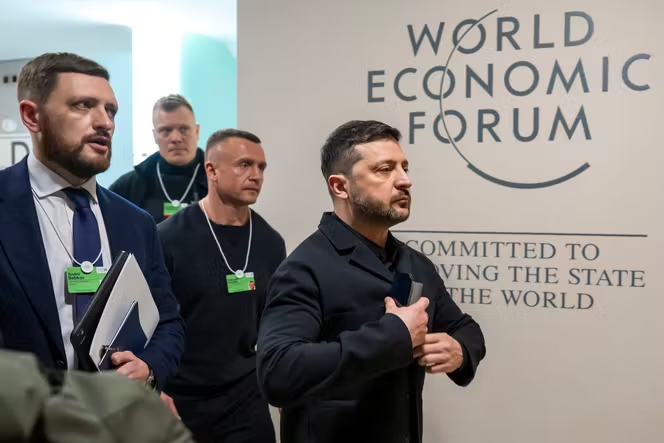
DAVOS, SWITZERLAND — World leaders and business executives gathered at the 2026 World Economic Forum to discuss pressing global challenges, including artificial intelligence’s impact on employment and the ongoing conflict in Ukraine.
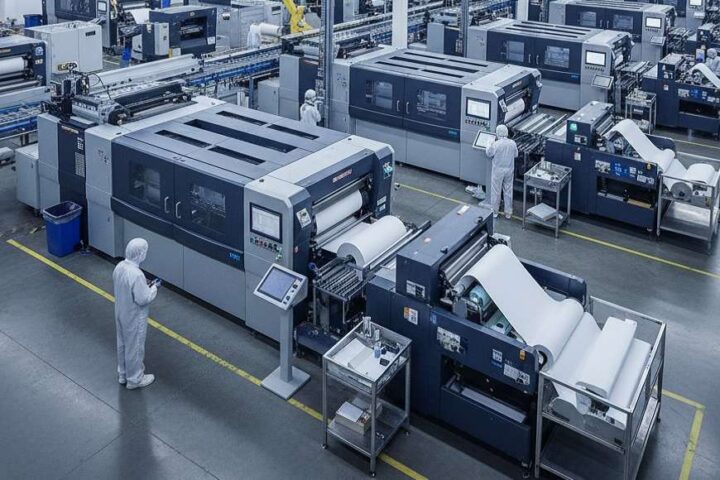
Sessions highlighted the growing role of AI in transforming economies, with leaders warning that job markets must adapt quickly to technological change. Several UK ministers attended, emphasising the country’s commitment to ethical AI development and workforce retraining programs.
“Automation and AI are reshaping industries at unprecedented speed,” said one UK delegate. “It is crucial that we equip citizens with skills to thrive in this new environment.” The forum featured panels on reskilling, innovation, and regulatory frameworks to ensure AI benefits are widely shared.
The Ukrainian conflict remained a central topic, with leaders discussing ways to maintain peace negotiations and provide humanitarian aid. The UK delegation reaffirmed support for Ukraine’s sovereignty while stressing the importance of coordinated international responses.
Private sector executives underscored the economic repercussions of instability in Europe, particularly concerning energy markets and supply chains. UK businesses with European operations are closely monitoring developments, with several emphasizing corporate responsibility initiatives to support affected communities.
Environmental issues were also discussed, with new pledges aimed at reducing carbon emissions and advancing sustainable technologies. The forum served as a platform to highlight the interconnected nature of global challenges, where economic, social, and security concerns overlap.
Observers noted that the WEF continues to be influential in shaping policy, with recommendations often informing national strategies. For a deeper understanding of global economic risks and trends, the World Economic Forum publishes detailed reports that provide insights into these ongoing debates.