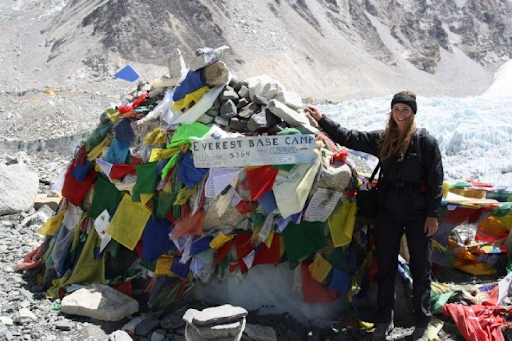
Nestled high in the Himalayan variety, Mount Everest stands as a beacon of journey, mystery, and awe—a towering symbol that captures the spirit of human exploration. Tourists and trekkers alike are interested in its legendary heights, no longer merely to conquer the summit, however, walk the storied trails that wind via Sherpa villages, ancient monasteries, and breathtaking alpine scenery. Among these trails, the Everest Base Camp Trek remains one of the globe’s most loved adventures. From questions like “in Where is Mount Everest located ?” to the practicalities of the Everest Base Camp Trek cost and figuring out the best seasons to go, this newsletter answers them all in detail. Here, we discover the coronary heart of the Himalayas, bringing together wealthy culture, majestic landscapes, and critical tour information in an unmarried, cautiously woven narrative. As you study, you’ll discover the soul of Everest and the realistic details needed to plan a lifestyle-converting adventure, making sure you’re fully prepared, inspired, and knowledgeable for an unforgettable Himalayan adventure.
Where is Mount Everest Located?
Mount Everest, regionally referred to as Sagarmatha in Nepali and Chomolungma in Tibetan, is majestically placed in the Mahalangur Himal sub-variety of the Himalayas. This iconic peak straddles the border between Nepal and the Tibet autonomous region of China. Geographically, its exact coordinates are about 27.9881° N latitude and 86.9250° E longitude.
On the Nepalese aspect, Everest falls within the Sagarmatha National Park, a UNESCO international history website for its specific natural splendor and cultural history. The closest gateway city to Everest on the Nepal side is Lukla, which has a small but well-known airport—Tenzing-Hillary Airport—regularly referred to as one of the most thrilling airports in the world because of its short runway and dramatic region. From Lukla, trekkers start their journey toward Everest Base Camp, passing through traditional Sherpa villages like Namche Bazaar, Tengboche, Dingboche, and Gorakshep. At the Tibetan facet, the mountain can be accessed through the north base camp close to Tingri, an area much less frequented by means of trekkers because of stricter permit requirements.
The region of Everest isn’t just vast on a map; it represents the meeting factor of historical Himalayan cultures, beautiful biodiversity, and is considered one of Earth’s final outstanding desert frontiers. The mountain’s towering elevation of 8,848.86 meters (29,031.7 feet) makes it the very best point on the earth, drawing climbers, adventurers, and dreamers from around the world to its icy slopes and awe-inspiring vistas.
Everest Base Camp Trek Cost

The Everest Base Camp Trek is regularly described as valuable in experience, yet every journey does have a monetary aspect. The Everest Base Camp Trek cost fee varies relying on tour fashion, preference of manual or corporation, time of year, and options for luxury or lodging. Here’s a breakdown of the primary fees that will help you plan:
1. Permits and Fees
- Sagarmatha National Park Permit: Approx. USD 30/- Per person
- Khumbu Pasang Lhamu Rural Municipality Entry Permit: Approx. USD 20–25/- Per person.
The total permit cost is roughly USD 50–55.
2. Guides and Porters
- Hiring a licensed guide: USD 20–35 in step with day
- Hiring a porter: USD 20–25 per day
For a 12–14 day trek, the blended value can range between USD 1000–1400, depending on group length and negotiation.
3. Accommodation and Meals
- Teahouses: USD 5–10 in line with night time
- Meals:USD 5–10 per meal
Everyday meals and accommodation price range: approx. USD 30–40
general for 12–14 days: roughly USD 400–600.
4. Flights
- Flight from Kathmandu to Lukla: Around USD 350–400/- subject to availability.
5. Miscellaneous Costs
- Hot showers and charging gadgets: USD 2–5 for every service
- Snacks, beverages, and hints: variable; estimate; As much as you need.
Estimated Total Cost :
- Budget visitor: USD 900–1,200
- Mid-range tourist: USD 1,300–1,800
Luxurious applications: Upwards of USD 2,000–3,500, which might also encompass helicopter returns or luxurious inns.
The Everest Base Camp Trek value displays more than cash—it’s an investment in cultural connection, raw herbal beauty, and an unforgettable sense of fulfillment.
Best Seasons for Everest Base Camp Trek
The grandeur of Everest varies with the seasons, and knowing the best seasons to trek could make the distinction between an enjoyable adventure and a difficult ordeal. Right here’s a top level view of what to devise for your trek:
Spring (March–May)
- Extensively appeared as the Best time to trek.
- Temperatures are mild, and skies are usually clear.
- Rhododendron forests bloom in colourful colors.
- Best for climbers heading to the summit too.
Autumn ( September–November)
- Equally famous and exquisite.
- Crystal-clean skies offer nice mountain views.
- Slight temperatures and minimum rain.
- Major hiking trails may be busy due to the best season.
Winter (December–February)
- Fewer trekkers and quieter trails.
- Snow covers better passes; temperatures drop significantly (can reach -20°C at night).
- Best for experienced trekkers searching for solitude.
Monsoon/summer (June–early September)
- Heavy rainfall, slippery trails, and leeches.
- limited mountain perspectives because of clouds.
- No longer encouraged unless you want a far flung, lush landscape to revel in.
In brief, spring and autumn are universally the best seasons to trek to Everest Base Camp for the most desirable climate, views, and path conditions.
Conclusion
Standing on the crossroads of nature, history, and journey, Mount Everest continues to captivate people who dream of on foot in its effective shadow. Understanding exactly in which Mount Everest is positioned facilitates travelers respect its cultural and geographic importance, whilst information on the Everest Base Camp Trek price empowers you to plot accurately and make the most of your adventure. Deciding on the best seasons ensures you enjoy the Himalayas of their full glory—whether it’s the blossoms of spring or the clear skies of autumn. The path to Everest is greater than a trail; it’s an adventure into the heart of the Himalayas, wherein ancient monasteries, fluttering prayer flags, and the ever-smiling Sherpa human beings welcome travelers from every corner of the sector. This trek, difficult but profoundly rewarding, will become a memory etched deeply into your soul, coaching patience, resilience, and marvel. In the end, Everest isn’t just a mountain—it’s an invitation to explore what lies each inside and past, reminding us that the greatest summits we conquer are those internal to ourselves.
FAQs
1. How long does the Everest Base Camp Trek take?
The conventional trek typically takes 12–14 days, together with acclimatization days. a few faster itineraries exist, but proper acclimatization is strongly suggested.
2. Do I need prior trekking experience?
No technical hiking is needed, however appropriate fitness and some hiking experience assist . The trek is moderately hard especially because of altitude.
3. Can I do the trek independently?
Sure, solo hiking is feasible, however hiring a guide/porter is usually recommended for protection, cultural insight, and aid.
4. What is the altitude of Everest Base Camp?
Everest Base Camp sits at around 5,364 meters (17,598 feet) above sea level.
5. Is travel insurance necessary?
Surely. Choose insurance that covers trekking at high altitudes and emergency helicopter evacuation.
Contact Details
Boundless Adventure Pvt. Ltd.Paknajol Marga, Thamel
P.O.Box: 11670, Kathmandu, Nepal
Email : [email protected]
Phone : +977 1 4701884, +977 1 4701885
Viber/WhatsApp : +9779851033819
Website : https://boundlessadventure.com/
Stay in touch to get more updates & news on Daily!