Electric bikes are popping up everywhere. You see them on city streets, bike paths, and even rough dirt trails. More and more riders want to take their e-bikes off the pavement. This growing interest makes you wonder if these powered bicycles can really handle the bumps and grit of off-road adventures.
So, are e-bikes suitable for true off-road riding? It’s not a simple yes or no answer. Many factors play a role. The type of bike, the terrain, and how you ride all matter a lot.
This guide will break down everything. We’ll look at the great things about riding an electric off-road bike. We will also cover what to expect from electric mountain bikes (eMTBs). We’ll share some challenges and important tips too. By the end, you’ll know if an e-bike is your next trail buddy.
The Benefits of Electric Bikes for Off-Road Adventures
Extended Range and Reduced Fatigue
The electric motor on an e-bike gives you a boost. This means you can ride further without getting as tired. You can cover more ground or climb tough hills with less effort. Think about exploring new trails that were once too far away. E-bikes open up longer rides for all fitness levels. Many riders find they can enjoy the outdoors longer.
Hill Climbing Power
E-bike motors deliver power right when you need it. This extra push makes climbing steep, challenging hills much easier. You’ll conquer dirt trails, gravel paths, and rocky singletrack with confidence. The added torque helps you keep momentum when the trail points up. It lets you focus on steering and balance, not just pedaling hard.
Increased Accessibility and Inclusivity
Electric bikes truly make off-road cycling open to more people. Riders who might struggle with traditional mountain biking can now join in. This includes folks limited by age, fitness, or certain physical conditions. An e-bike helps you keep up with friends who are stronger cyclists. It levels the playing field, making group rides more fun for everyone.
Fun Factor and Trail Enjoyment
Adding power to your ride can seriously boost the fun. You spend less time pushing yourself to the limit. Instead, you can focus on the beautiful scenery around you. Enjoy the thrill of the trail, the flow of downhill sections, and the fresh air. The motor assistance lets you soak in the experience more fully.
Understanding Electric Mountain Bikes (eMTBs)
Key Components of an eMTB
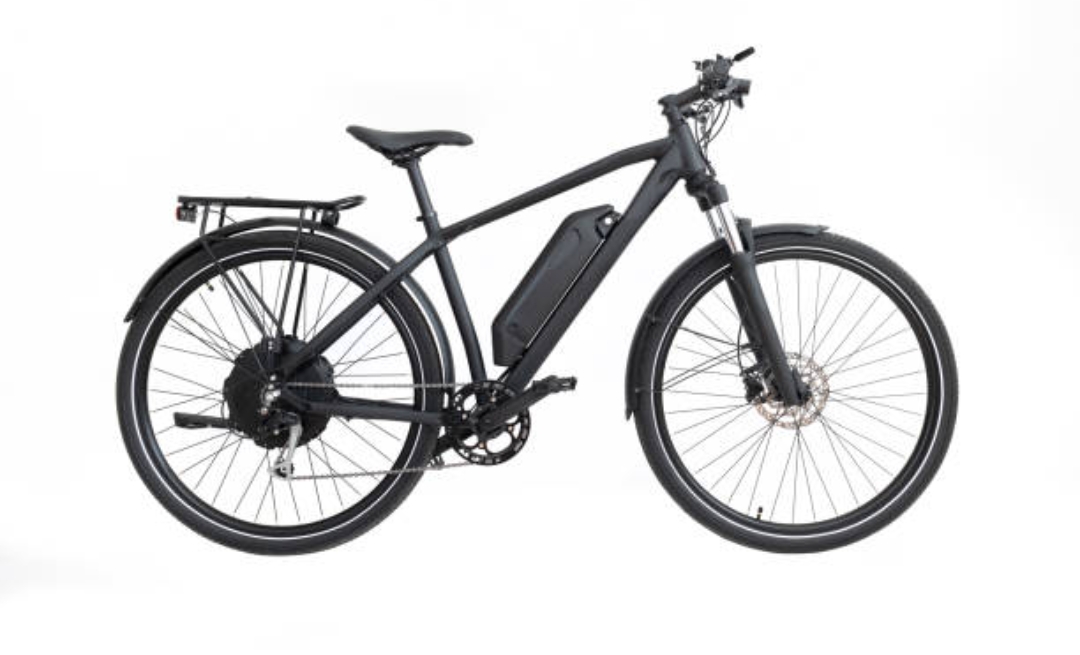
An eMTB combines a mountain bike with an electric assist system. Its main parts are the motor, usually placed near the pedals (mid-drive) or in the wheel hub (hub-drive). The battery gives power; its size affects how far you can go. It’s often built into the frame for better balance. The frame itself is strong and built for off-road riding. Good suspension absorbs bumps, making the ride smoother. Powerful hydraulic disc brakes are a must for stopping quickly. And the drivetrain, like on any bike, helps you change gears.
Types of eMTBs for Off-Roading
Not all eMTBs are the same. Hardtail e-MTBs have front suspension only. They are lighter and simpler, good for less rough trails. Full-suspension e-MTBs have suspension on both wheels. They offer more comfort and control on very bumpy terrain. Within full-suspension bikes, you can find trail e-MTBs for mixed riding. Enduro e-MTBs are made for technical descents. Downhill e-MTBs are for serious, steep trails.
Motor Systems and Power Delivery
Most high-end eMTBs use mid-drive motors. These motors sit at the bike’s center. This gives better balance and a more natural feel when pedaling. Hub-drive motors are simpler and often cheaper, fitting into the wheel. Mid-drive systems tend to perform better on steep, tough off-road climbs. Both types offer different power assist levels. You can choose how much help you want, from a light boost to a strong push.
Battery Life and Charging Considerations
Battery capacity matters a lot for off-road riding. Tough trails demand more power, which drains the battery faster. A bigger battery means more range. Before long rides, always fully charge your e-bike battery. For very long trips, you might need to plan charging stops. Some riders even carry a small, portable charger or an extra battery for remote adventures.
Navigating Off-Road Trails with an eBike
Trail Etiquette and Regulations
Knowing the rules for e-bikes on trails is very important. Regulations vary widely from place to place. Some national parks and specific trail systems have strict rules about where e-bikes can go. You need to check local land management agencies before you ride. Many places classify e-bikes as Class 1, 2, or 3. Class 1 e-bikes, with pedal assist only and a speed limit, are usually allowed where regular bikes are. Always respect other trail users, including hikers and traditional mountain bikers.
Handling and Weight Considerations
E-bikes weigh more than regular mountain bikes because of the motor and battery. This extra weight changes how the bike handles. You might notice it in tight corners or when trying to jump over obstacles. The bike feels more planted, but can be harder to throw around. Riders often need to adjust their body position and riding style. Leaning more into turns and using stronger braking is a good idea.
Maintenance and Durability
E-bikes need some special care, especially when used off-road. The drivetrain, like the chain and gears, gets more wear. Keep it clean and well-oiled. Check electrical connections often to make sure they are secure. The battery also needs protection from impacts and dirt. A well-maintained e-bike lasts longer and performs better. Regular servicing by a qualified e-bike mechanic is a smart move.
Challenges and Limitations of eBikes Off-Road
Weight and Agility
The added weight of an e-bike can be a downside on certain trails. It makes it harder to lift the front wheel quickly. Tricky moves like “manuals” over rocks can be tougher. Fast, agile changes in direction also take more effort. This can limit how playfully you ride on very technical trails compared to a lighter, non-assisted bike.
Battery Dependence
Running out of battery power on a remote trail is no fun. Your e-bike becomes a very heavy regular bike. This means you rely heavily on your battery for assistance. Always plan your routes carefully, thinking about battery life. For extra peace of mind, consider carrying a portable charger. Or, map out places where you could top up your battery during a long ride.
Initial Cost and Investment
E-bikes generally cost more than traditional mountain bikes. The technology for the motor and battery adds to the price. Batteries themselves can be expensive to replace down the line. This higher initial investment is a big factor for many buyers. But for the fun and accessibility they offer, many riders feel it’s worth it.
Trail Damage Concerns
Some people worry that e-bikes might cause more trail damage. They point to the extra weight and possible higher speeds. However, responsible riding practices can greatly lessen this concern. Staying on marked trails and avoiding skidding helps protect the environment. Many studies suggest that e-bikes ridden properly cause no more damage than traditional bikes.
Are Electric Bikes Good for Off-Roading? Expert Opinions and Data
Industry Perspectives and Expert Endorsements
Many in the cycling world now see eMTBs as a positive force. Leading bike brands and professional riders often praise their abilities. “eMTBs have opened up new ways to explore,” states a recent article in Trail Rider Magazine. They point to the increased fun and accessibility these bikes offer. The technology keeps getting better, making e-bikes more capable than ever before.
Performance Metrics and Comparisons
Data supports the benefits of e-bikes for off-road use. A test done by Mountain Bike Research Group found clear performance gains. On average, e-bike riders could climb steep hills up to 25% faster than those on traditional bikes. This shows how the motor assistance truly helps on challenging terrain. E-bikes allow riders to maintain higher average speeds on varied trails.
Rider Feedback and Community Sentiment
Riders who own e-bikes for off-roading often give glowing reviews. They frequently mention enjoying longer rides with less fatigue. Many appreciate being able to keep up with faster friends. The overall feeling is positive. The e-bike community grows stronger each day, with riders sharing stories of new places they’ve explored thanks to the added power.
Choosing the Right Electric Bike for Your Off-Road Needs
Define Your Riding Style and Terrain
Before you buy, think about where you’ll ride. Will you stick to smooth gravel paths? Or do you want to tackle tough, technical singletrack? Perhaps fire roads are more your speed. Your riding style also matters. Do you want to explore new areas, get fit, or enjoy fast descents? Matching the bike to your needs is key.
Motor Type, Battery Size, and Suspension Requirements
Consider the motor type: mid-drive is best for serious off-roading. Look at the battery size; a larger capacity means more range. For rough trails, more suspension travel is better. Hardtails work for smoother trails, but full-suspension bikes handle bumps like a pro. Think about what will make your rides most enjoyable.
Budget and Brand Considerations
E-bike prices vary a lot. Set a budget that fits your needs. Remember, quality components are important for off-road durability. Research different brands and read reviews from other riders. Always try to test-ride a few different models before you buy. This helps you get a feel for how they handle.
Conclusion
Electric bikes are certainly good for off-roading. They empower you to explore more, climb higher, and ride further. These bikes bring the joy of trail riding to a wider group of people. With a step through e-bike, you can enjoy the wild outdoors like never before.
The key is making smart choices. Pick an e-bike that matches your riding style and the trails you plan to hit. Ride responsibly, follow local rules, and take care of your bike.
E-bikes are changing how people experience off-road cycling. They make it easier and more fun to connect with nature. So, consider an e-bike for your next outdoor adventure. Get out there and discover what you’ve been missing.