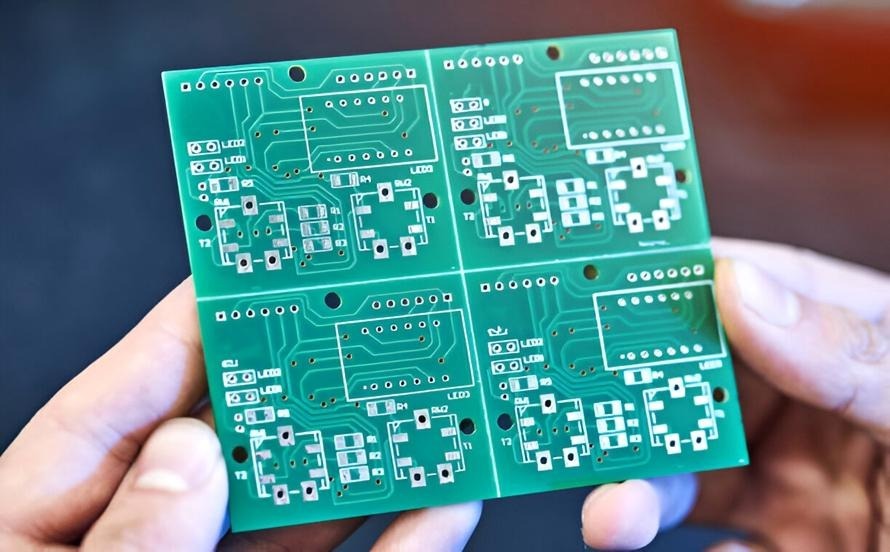
As electronic devices continue to evolve and become more powerful, managing heat generation has become one of the most critical challenges in circuit design. This is where the Aluminum PCB comes into play. Also known as metal-based PCB or aluminium-clad PCB, it provides superior thermal performance compared to traditional FR4 boards, making it an ideal choice for applications that demand efficient heat dissipation and mechanical stability.
What Is an Aluminum PCB?
An Aluminum PCB is a type of printed circuit board that uses an aluminium substrate instead of the conventional fibreglass or epoxy resin base. The aluminium core acts as a heat sink, efficiently transferring heat away from high-power components to ensure consistent performance and prevent overheating.
Typically, an Aluminum PCB consists of three layers:
- Copper Layer: The conductive layer for circuit pathways, usually 1–3 oz thick.
- Dielectric Layer: An insulating layer that provides electrical isolation and thermal transfer between the copper and the metal base.
- Aluminium Base Layer: A metal substrate that dissipates heat rapidly and provides mechanical durability.
This unique composition makes aluminium boards highly suitable for power electronics, automotive systems, LED lighting, and industrial equipment—applications where heat management directly impacts performance and lifespan.
Advantages of Aluminum PCB
The Aluminum PCB stands out for its superior thermal and mechanical characteristics. Let’s explore the key benefits:
1. Excellent Heat Dissipation:
The aluminium core conducts heat away from critical components much faster than traditional substrates. This efficient thermal transfer helps maintain optimal operating temperatures, extending the lifespan of both the PCB and its components.
2. Enhanced Durability:
Aluminium is a robust and stable material. It can withstand mechanical stress, vibration, and environmental exposure better than standard FR4 boards, making it ideal for heavy-duty or outdoor applications.
3. Lightweight and Environmentally Friendly:
Despite its strength, aluminium is lightweight and recyclable, which contributes to eco-friendly production and transportation efficiency.
4. Improved Electrical Performance:
By maintaining lower operating temperatures, Aluminum PCBs reduce signal distortion and improve overall circuit reliability. This makes them suitable for high-frequency and high-power applications.
5. Cost-Effective Thermal Solution:
Using Aluminum PCBs eliminates the need for separate heat sinks or cooling fans in many cases, reducing both production complexity and total system cost.
Applications of Aluminum PCB
The versatility and reliability of Aluminum PCBs make them indispensable across several industries. Some of the most common applications include:
LED Lighting Systems:
High-brightness LED modules and light bars generate significant heat during operation. Aluminum PCBs efficiently dissipate this heat, maintaining stable light output and preventing premature LED failure.
Power Converters and Power Supplies:
Aluminium-based boards are perfect for devices that convert or regulate power, as they manage high thermal loads effectively.
Automotive Electronics:
From headlight modules to engine control systems, automotive devices rely on Aluminum PCBs for their ability to perform in demanding environments.
Telecommunications and Networking:
Base stations, routers, and amplifiers use these boards to ensure consistent performance under continuous high-frequency operation.
Consumer and Industrial Electronics:
Applications like motor controllers, sensors, and industrial power drivers benefit from aluminium’s combination of strength, conductivity, and thermal efficiency.
Types of Aluminum PCBs
There are several types of Aluminum PCBs, depending on the design and usage requirements:
1. Single-Layer Aluminum PCB:
This is the most common type, featuring a single conductive layer on top of the aluminium base. It’s widely used in LED lighting and consumer electronics.
2. Double-Layer Aluminum PCB:
These boards have two conductive layers, offering greater circuit density and more complex routing for advanced applications.
3. Multilayer Aluminum PCB:
Used in high-performance systems, multilayer boards integrate multiple dielectric and conductive layers for enhanced functionality and power handling.
4. Hybrid Aluminum PCB:
A combination of aluminium and traditional FR4 materials, providing the benefits of metal-based thermal management along with standard PCB flexibility.
Design Considerations for Aluminum PCB
Designing an Aluminum PCB involves specific considerations to ensure both thermal and electrical performance:
- Dielectric Thickness: The dielectric layer should be thin enough to enable efficient heat transfer yet thick enough to provide proper insulation.
- Copper Weight: Selecting the right copper thickness ensures optimal current flow without excess heat generation.
- Surface Finish: Finishes like HASL, ENIG, or OSP help protect copper traces from oxidation and enhance solderability.
- Drilling and Etching Precision: Due to the hardness of aluminium, manufacturing requires advanced machining tools and strict process control.
Choosing the right combination of materials, design structure, and manufacturing processes ensures the board performs well under specific application conditions.
Why Aluminum PCBs Are Gaining Popularity
With the rapid advancement of compact, high-performance electronics, the demand for Aluminum PCBs is rising globally. Industries are turning toward these thermally efficient boards to enhance reliability while reducing size and cost. The growing LED market, electric vehicle adoption, and the shift toward green energy solutions have accelerated this trend even further.
Conclusion
The Aluminum PCB represents a breakthrough in modern electronics, merging excellent heat dissipation, mechanical durability, and electrical efficiency. Whether it’s powering LED lights, automotive systems, or industrial machinery, aluminium-based boards ensure stable and long-lasting performance even under extreme operating conditions.
For businesses seeking high-quality production and cost-effective manufacturing, partnering with experts in PCB assembly in China is the key to success. China’s advanced PCB manufacturers offer state-of-the-art facilities, strict quality control, and expertise in handling metal-core PCB fabrication. By choosing a trusted partner for PCB assembly in China, you can ensure superior product performance, faster turnaround times, and access to global-standard technology—all essential for staying ahead in today’s competitive electronics market.