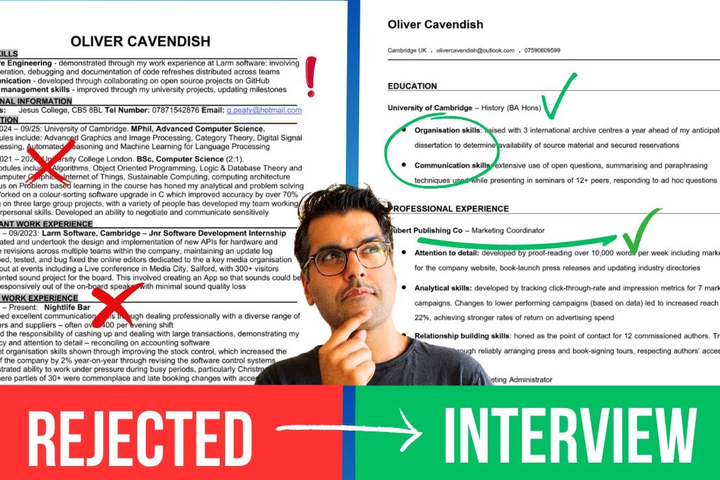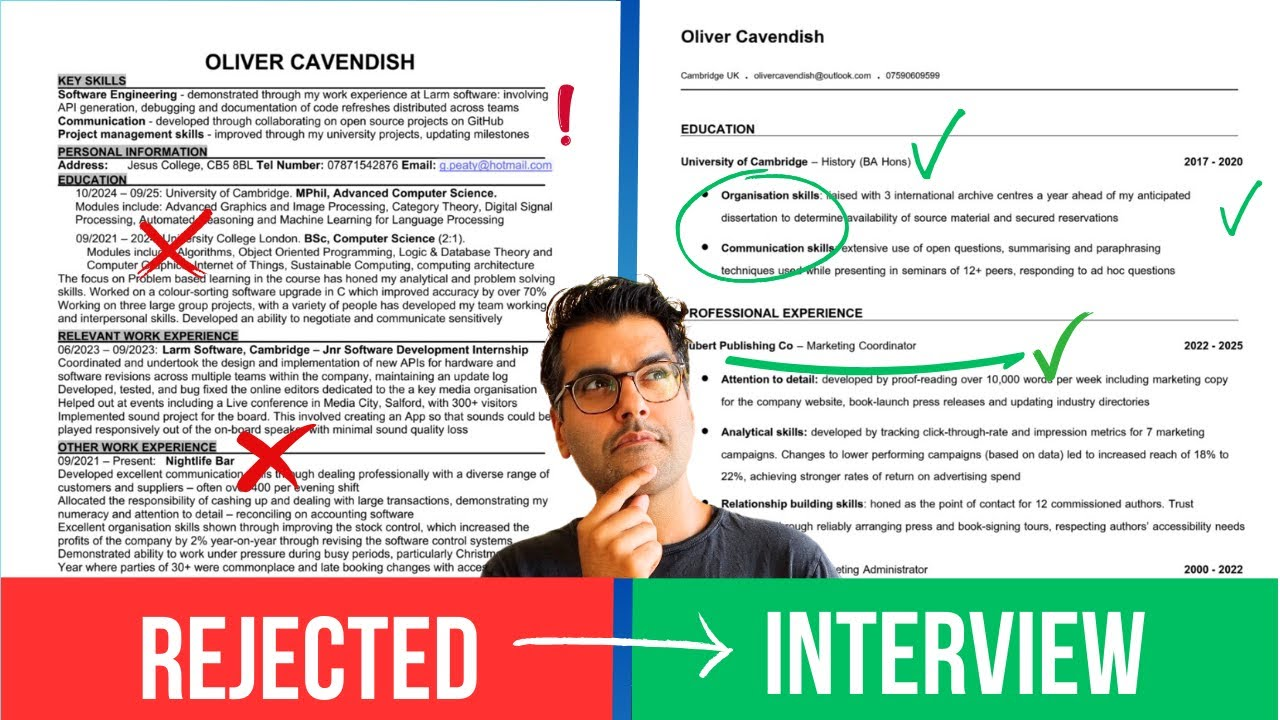
Creating a professional CV is one of the most important steps when applying for a job in the UK. Whether you are starting your career, changing industries or looking for a better opportunity, your CV needs to communicate your experience, skills and achievements clearly.
Recruiters often receive applications from many candidates for the same position. A well-structured CV can help employers understand your suitability quickly and decide whether to invite you for an interview.
But what should a good UK CV look like in 2026? From choosing the right layout to writing a strong personal profile, here are some practical tips to help you create a CV that makes a positive impression.
1. Choose the Right UK CV Format
A good CV should be easy to read, logically organised and relevant to the job you are applying for.
For most UK job applications, a reverse-chronological format is a practical choice. This means listing your most recent work experience first, followed by earlier positions.
A typical UK CV includes:
- Contact details
- Personal profile or professional summary
- Work experience
- Education and qualifications
- Key skills
- Relevant certifications or additional information
You do not need to include every detail about your working history. Focus on information that demonstrates why you are suitable for the role.
For most candidates, a CV of around two pages is a useful target. However, graduates and people with limited experience may be able to communicate their background effectively on one page.
2. Write a Personal Profile That Gets Attention
Your personal profile is a short introduction at the beginning of your CV. It gives employers an overview of your professional background, strengths and career goals.
Avoid generic statements such as “I am a hardworking and motivated individual looking for a challenging position.” These phrases do not explain what you can actually contribute.
Instead, write a short paragraph that connects your experience to the role.
For example:
“Customer service professional with three years of experience supporting customers, resolving enquiries and maintaining high service standards. Confident using CRM systems and handling customer issues in fast-paced environments. Looking to contribute strong communication and problem-solving skills to a growing organisation.”
If you are a recent graduate, focus on your education, transferable skills, placements and relevant projects.
The best personal profiles are specific, concise and tailored to the opportunity.
3. Focus on Achievements Instead of Just Responsibilities
One common CV mistake is listing daily responsibilities without explaining the value of the work.
For example, writing “Responsible for managing social media accounts” tells an employer what you did, but not how well you did it.
A stronger statement could be:
“Managed social media content across three platforms, helping increase audience engagement through a consistent publishing schedule.”
Where possible, include measurable results. Numbers can make achievements easier to understand, provided they are accurate.
You can highlight:
- Revenue generated or costs reduced
- Customers supported
- Projects completed
- Team members managed
- Improvements in efficiency
- Sales or engagement growth
Always be truthful. Never invent figures or achievements to make your CV appear stronger.
4. Make Your CV Easy to Read
A professional CV does not need complicated graphics or excessive design elements.
Use clear headings, consistent spacing and a readable font. Keep formatting consistent throughout the document and avoid large blocks of text.
A few useful formatting tips include:
- Use a simple, professional font.
- Keep headings clear and consistent.
- Use bullet points for responsibilities and achievements.
- Leave enough white space between sections.
- Check that the document looks good when exported as a PDF.
- Use a sensible file name, such as Firstname-Lastname-CV.pdf.
A clean layout is particularly important when employers use applicant tracking systems (ATS) to organise applications.
5. Understand Applicant Tracking Systems
Some employers use applicant tracking systems to manage applications and identify candidates whose experience matches a vacancy.
These systems can process information such as job titles, qualifications, skills and employment history. Their behaviour varies, so there is no single CV format that guarantees a successful result.
To make your CV easier for these systems to process, consider the following:
- Use standard section headings such as Work Experience and Education.
- Include relevant skills mentioned in the job description when they genuinely match your experience.
- Avoid placing essential information inside complex graphics.
- Use a straightforward document structure.
- Check spelling and formatting before submitting your application.
An ATS-friendly CV should still be written for a human recruiter. Clear language and relevant experience matter more than repeating keywords unnecessarily.
6. Tailor Your CV to Every Job Application
Sending exactly the same CV to every employer may mean missing opportunities to demonstrate your suitability.
Read the job description carefully and identify the main requirements. These might include specific software, technical knowledge, qualifications or communication skills.
Then review your CV and make relevant adjustments.
For example, if a vacancy requires project management experience, highlight genuine examples of projects you have coordinated, deadlines you have managed or teams you have supported.
You should not rewrite your entire CV for every application. Often, a few thoughtful changes to your personal profile, skills and experience sections can make it more relevant.
7. Choose a Professional CV Template
Your CV design should support the information rather than distract from it.
A good template gives every section enough space and helps employers find important details quickly. It should also work well across different devices and when printed.
There are several types of CV layouts to consider:
Traditional CV: Suitable for many office, administration and professional roles.
Modern CV: Uses a contemporary design while keeping the structure clear.
Minimal CV: Focuses on simple typography and straightforward formatting.
Graduate CV: Gives more space to education, projects, placements and transferable skills.
If you are unsure where to start, you can explore free UK CV templates and choose a layout that suits your experience and industry.
8. Check Your CV Before Sending It
Small mistakes can affect the impression your application makes. Before submitting your CV, take a few minutes to review it carefully.
Check the following:
- Your contact details are correct.
- Your employment dates are accurate.
- There are no spelling or grammar mistakes.
- Your experience is relevant to the vacancy.
- Your formatting is consistent.
- Your document opens correctly.
- Your CV does not contain outdated or unnecessary information.
It can also help to ask someone else to read your CV. A fresh perspective may identify unclear sentences or mistakes you have overlooked.
9. Use Online Tools to Improve Your CV
Writing and formatting a CV from scratch can take time, especially if you are applying for several positions.
Online CV tools can help organise your information, choose a suitable layout and improve the wording of your professional profile and experience sections.
For example, Cveezi online CV builder provides CV templates and AI-assisted writing features to help job seekers create and refine their documents.
You can also review your document with a free ATS CV score checker to identify areas that may need attention before applying.
These tools are useful starting points, but always review the final document yourself. Your CV should accurately reflect your own experience, qualifications and achievements.
Final Thoughts
A strong CV is not necessarily the longest or most visually complicated document. It is one that presents your experience clearly, highlights relevant achievements and makes it easy for employers to understand what you can offer.
Start with a professional UK CV format, write a focused personal profile and tailor your experience to the job description. Then check the layout, wording and accuracy before sending your application.
Taking the time to improve these details can help you present yourself more professionally and approach your next job application with greater confidence.