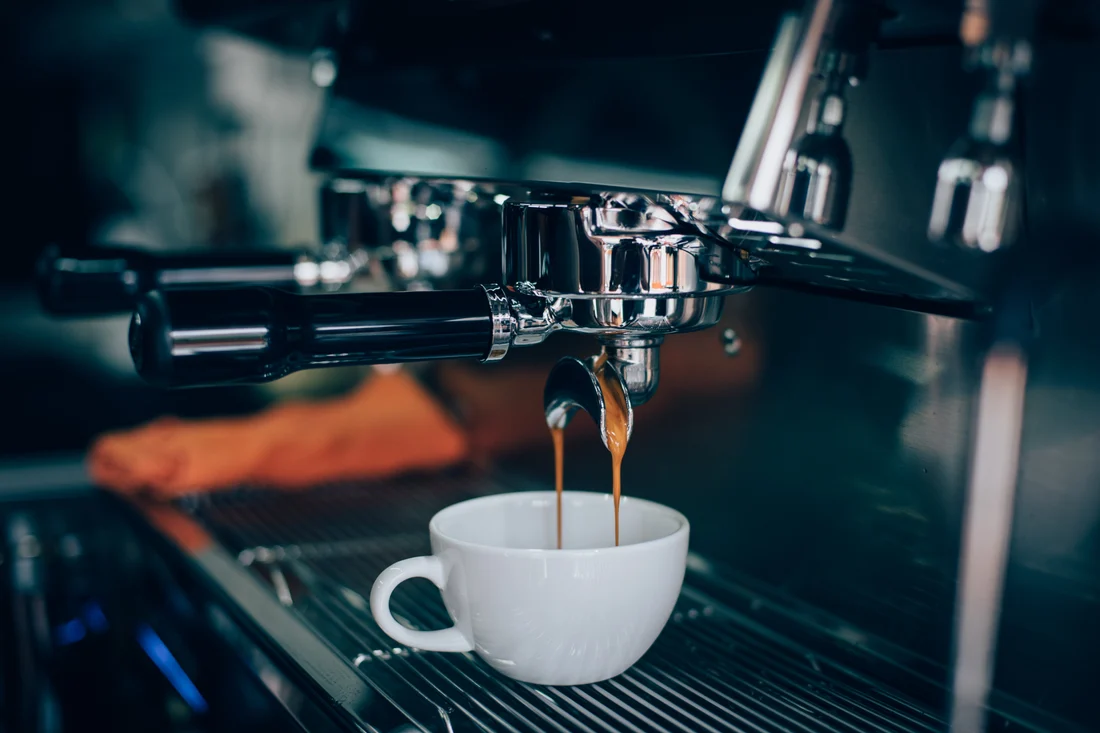
Coffee is an important part of the customer experience for cafés, restaurants, hotels, offices, and other hospitality businesses. From a quick morning coffee at a hotel to an espresso served after a restaurant meal, businesses need equipment that can deliver consistent beverages throughout the day.
Choosing the right coffee maker is therefore about more than simply finding a machine that produces good coffee. Daily volume, beverage variety, workflow, staff experience, available space, and maintenance requirements all need to be considered.
What Is a Commercial Coffee Maker?
A commercial coffee maker is designed to prepare coffee repeatedly in professional environments. Unlike equipment intended for occasional household use, commercial machines are built to accommodate more frequent operation and higher service demands.
Depending on the machine, coffee preparation may be fully automated or involve manual steps controlled by a trained operator. Modern coffee makers are available in different configurations, allowing businesses to select equipment based on their menu and operational requirements.
Types of Coffee Makers for Commercial Use
Different businesses have different coffee needs, so there is no single machine suitable for every operation.
Automatic Coffee Makers
Automatic machines are designed to simplify coffee preparation. Depending on the model, they may automate processes such as grinding, dosing, brewing, and milk preparation.
These systems can be useful in offices, hotels, restaurants, and self-service environments where speed and ease of operation are important. They can also reduce the amount of specialised training required for staff.
Semi-Automatic Coffee Machines
Semi-automatic machines provide greater control over the brewing process. Operators can manage elements such as dosing, tamping, and extraction, allowing them to adjust the preparation according to the coffee being used.
These machines can be particularly suitable for cafés and specialty coffee businesses where barista technique and control over espresso extraction are important.
Bean-to-Cup Machines
Bean-to-cup systems grind whole coffee beans immediately before brewing. They combine grinding and brewing in one system, making them useful where businesses want freshly ground coffee with minimal manual preparation.
They can work well in offices, hotels, restaurants, and other environments where multiple beverages need to be prepared quickly.
What Should Businesses Consider?
Daily Coffee Volume
Expected daily volume should be one of the first considerations. A small office may only require a moderate-capacity machine, while a busy café or hotel may need equipment capable of handling frequent orders during peak periods.
Choosing a machine that matches the expected workload can help prevent service delays and unnecessary equipment costs.
Beverage Menu
The drinks on the menu also influence the choice of equipment. A restaurant serving mainly black coffee may have different requirements from a café offering espresso, cappuccino, latte, and other milk-based beverages.
Businesses should identify their most frequently ordered drinks before deciding which features are actually necessary.
Speed and Workflow
Coffee preparation should fit naturally into the overall service workflow. In busy environments, staff may need to prepare several beverages while managing other customer orders.
The machine’s location, water supply, cup storage, grinder placement, and access for cleaning should all be considered when designing the coffee station.
Consistency
Consistency is essential in commercial coffee service. Customers generally expect the same drink to deliver a similar experience each time they order it.
Equipment that provides repeatable brewing conditions can help reduce variations between beverages. However, standardised recipes, suitable coffee beans, and staff training are also important.
Coffee Makers and Brewing Methods
Commercial coffee service is not limited to espresso. Some businesses also serve filter and batch-brewed coffee, particularly restaurants, hotels, and cafés with a broader beverage menu.
In such cases, coffee brewers can provide an alternative preparation method. Brewing equipment can be selected according to serving volume, preferred coffee style, and the speed required during service.
Understanding the difference between brewing methods can help businesses build a coffee station that supports their complete menu rather than relying on one type of equipment.
Maintenance and Staff Training
Commercial coffee equipment requires regular maintenance because frequent use can lead to the buildup of coffee oils, residue, and mineral deposits. Cleaning brewing components, steam systems, drip trays, and other parts according to the manufacturer’s recommendations can help maintain performance.
Staff training is equally important. Operators should understand basic brewing procedures, equipment cleaning, and how to identify common issues. Consistent preparation techniques can help businesses maintain beverage quality across different shifts.
Final Thoughts
Choosing the right coffee maker for a commercial environment requires businesses to look beyond price and machine size. Daily volume, beverage requirements, workflow, consistency, maintenance, and staff capabilities should all influence the decision.
Whether the equipment is being used in a café, restaurant, hotel, office, or other hospitality setting, selecting a machine that matches the actual requirements of the business can make coffee preparation more efficient while helping maintain a consistent experience for customers and employees.