Lock Cylinders for Shared Properties is a practical topic, because most real security and hardware problems are caused by small mismatches rather than dramatic failures. This guide is for landlords, small businesses and households with several users sharing access. It covers the situation where keys have been copied over time, a property changes hands, or several doors need convenient but controlled access for regular users, then explains how to look at the existing hardware before deciding what to buy. Most cylinder guides focus on a single door; this article explains planning across a property. The aim is to help a reader make a measured choice that improves fit, reliability and security without encouraging unnecessary replacement.
Where several people use the same entrances, the team at Locks & Hardware recommend thinking beyond a single replacement cylinder; their advice on lock cylinders helps plan key control more carefully.
Why lock cylinders for shared properties should be assessed as a whole opening
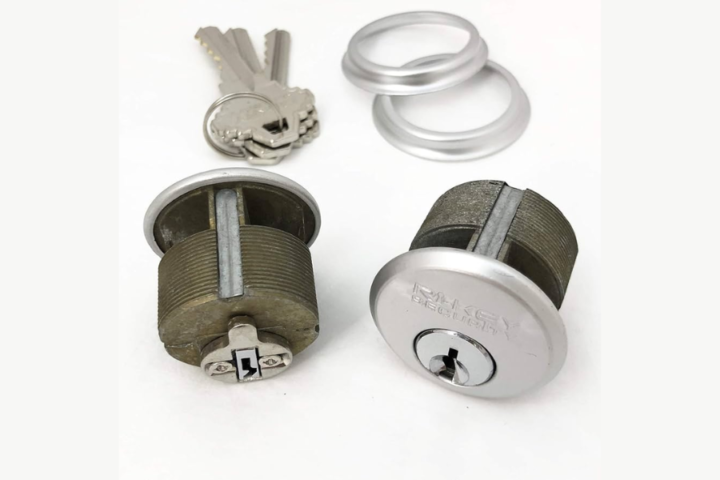
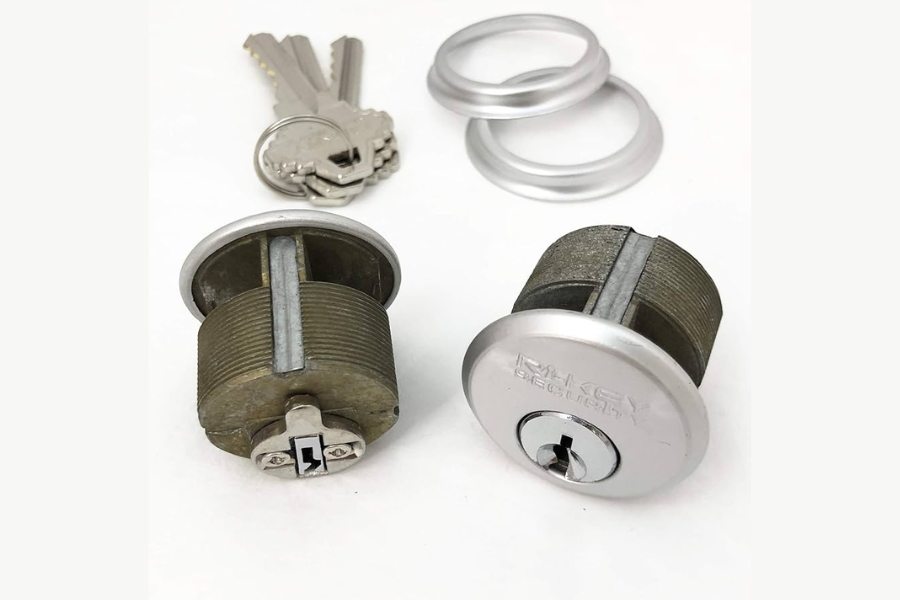
The first useful check is the opening itself. Look at whether the door or window sits square, whether the frame is sound, and whether the moving part meets the keeps or strike plates without being pulled or lifted. For key control and cylinder planning, the most relevant components are usually keyed alike cylinders, thumbturn cylinders, restricted keys, master keyed systems, rim cylinders and euro cylinders. When these parts are considered together, it becomes easier to see whether the visible fault is the cause of the problem or only the symptom.
Lock cylinders control key access, so they are often the first part considered after a move, lost keys or a change in occupancy. They are also central to keying strategy across a property. It is worth noting what changes between open and closed positions. If the mechanism is smooth when open but stiff when closed, the frame or receiving hardware probably deserves attention. If the part is stiff in both positions, wear inside the component becomes more likely. This distinction prevents unnecessary purchases.
How the related components work together
Every item has a neighbouring part that decides whether it performs properly. A lock needs a keep, a cylinder needs suitable furniture, a hinge needs firm fixings, and a window mechanism needs the sash to sit correctly. With keyed alike cylinders, thumbturn cylinders, restricted keys, master keyed systems, rim cylinders and euro cylinders, the safest assumption is that movement and alignment matter as much as product quality. Good hardware can feel poor when it is working against a distorted frame.
The right cylinder choice considers security rating, key control, thumbturn suitability and exact sizing. Ignoring any one of those can reduce the benefit of the upgrade. A good replacement therefore restores normal movement as well as visible neatness. Listen for scraping, feel for heavy points, and check that the part returns to its resting position. Hardware that feels smooth is usually under less strain, which matters for both security and lifespan.
The compatibility details that matter most
Compatibility usually depends on several dimensions at once. In this case, pay attention to cylinder size at each door, inside/outside orientation, door thickness, user route, key quantity and escape requirements. One correct measurement is not enough if the next one is wrong. A handle can have the right finish but the wrong centres; a lock can have the right case depth but the wrong backset; a window part can have the right length but the wrong fixing pattern.
If two products look similar, compare the critical dimensions line by line rather than relying on the title of the listing. This is especially important for older doors, composite doors, uPVC profiles and windows that may have had previous repairs. A small mismatch can mean drilling extra holes, leaving gaps uncovered or putting strain on the mechanism from the first day.
What ratings and markings can, and cannot, tell you
Security depends on fit as much as on the rating printed on the product. Access convenience should be balanced with key accountability, secure cylinders and safe exit where required. This means standards and markings should be used as decision aids rather than shortcuts. A product that meets the right standard but is badly sized, poorly fixed or fitted into damaged material may not deliver the expected protection.
There is also a human side to security. Hardware that is awkward tends to be left unused, half-latched or worked around. For a busy home, shared property or small workplace, the better option is usually the one that people will use correctly every day. Smooth closing, clear key control, sensible placement and straightforward operation are part of the security outcome.
Common errors that create repeat repairs
The faults most likely to create repeat work are linked to copying more keys instead of reviewing access, using thumbturns without considering the location and mixing unrelated key systems across doors. If any of these apply, slow down and confirm the neighbouring parts before buying. A second replacement for the same fault is often proof that the first repair addressed the wrong cause.
Look for patterns over time. Faults that worsen in cold weather, after rain or at a particular time of day may be linked to movement, swelling, corrosion or user habits. That pattern can change the best replacement choice, especially for external and high-use hardware.
Choosing for real use, not just the product listing
A sensible buying order is: identify the existing part, confirm whether the surrounding hardware is sound, measure the key dimensions, check any rating or duty requirement, then choose the finish or convenience feature. That sequence keeps practical requirements ahead of preference and reduces wrong orders.
Maintenance is part of value. Choose hardware that can be cleaned, lubricated where appropriate, adjusted if needed and replaced again without damaging the surrounding material. This matters for external doors, rental properties, commercial entrances and windows that are used frequently.
Putting the decision into a useful order
Before ordering, review the notes one final time. Confirm that the product category is correct, the measurements match, the handedness or orientation is known, the surrounding hardware is not damaged and the expected finish suits the location. If any point is uncertain, take another photograph rather than making a hopeful guess.
The practical answer is rarely to buy the first matching-looking item. A better result comes from noting what is fitted, understanding why it failed or needs upgrading, and selecting a replacement that suits the door, window, user and environment. That is the difference between a quick purchase and a durable repair.
A final useful habit is to keep a small record after the part is fitted. Note the product type, key code where appropriate, important sizes such as cylinder size at each door, inside/outside orientation, door thickness, user route, key quantity and escape requirements, and the date of replacement. This is especially helpful where several doors or windows use similar parts. The next repair then begins with known information rather than fresh guesswork, and anyone maintaining the property can see whether the same fault is returning.
For shared use, write down who needs keys, codes or routine access before the product is chosen. Hardware that suits the access pattern is more likely to be used correctly and maintained properly.