The Intersection of Technology and Packaging
For decades, the packaging and printing industry was viewed through a purely industrial lens—a world of heavy machinery, static ink, and paper. However, as we move deeper into the digital age, this narrative is being entirely rewritten. Packaging is no longer just a physical vessel; it is a dynamic, interactive bridge between the physical product and the digital ecosystem. At the absolute forefront of this technological renaissance is Prolabel, an industry-leading printing authority that is seamlessly blending advanced manufacturing technology with forward-thinking digital integration. By embracing smart packaging and next-generation print techniques, they are setting a new benchmark for what brands can achieve with their physical products.
The Digital-First Client Experience
The integration of technology at Prolabel begins long before a single drop of ink hits the paper. In today’s fast-paced B2B environment, procurement must be as frictionless as consumer e-commerce. Recognizing that modern business owners and procurement managers are constantly on the move, leading printing companies have heavily optimized their digital storefronts. A flawless user experience is critical. By deploying highly responsive web interfaces that feature intuitive navigation and strategically implemented mobile pop-up buttons for instant communication, clients can effortlessly request quotes, upload complex design files, and finalize orders directly from their smartphones. This level of digital fluidity ensures that the transition from a digital design concept on a screen to a physical, high-volume production run is remarkably fast and entirely error-free.
Smart Labels: The Gateway to the Internet of Things (IoT)
The most visible technological leap in the packaging sector is the rise of the “Smart Label.” Consumers today demand transparency, interactivity, and engagement. They want to know the origin of their food, the ethical sourcing of their cosmetics, or the exact specifications of a tech gadget. A standard printed label simply does not have the physical real estate to hold this massive amount of data.
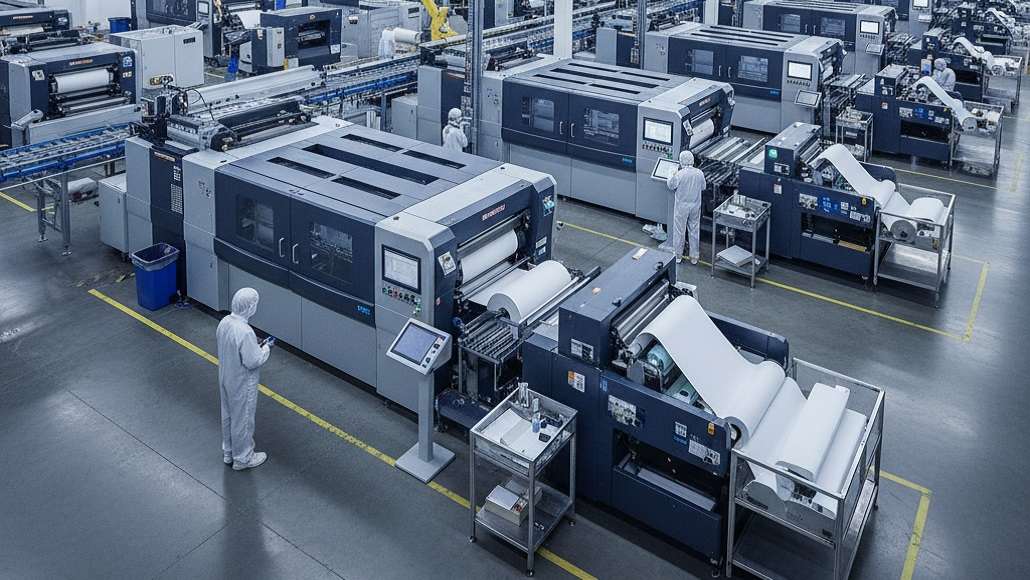
Through the precise printing of high-definition QR codes, NFC (Near Field Communication) tags, and augmented reality (AR) triggers, modern labels transform ordinary items into interactive digital hubs. When a consumer scans a smart label with their phone, they can be instantly redirected to immersive video content, exclusive digital promotions, or blockchain-verified supply chain data. The accuracy required to print thousands of scannable, microscopic data points per minute is immense, and it requires the exact type of state-of-the-art machinery that top-tier printing facilities have invested heavily in.
Combating Counterfeits with Advanced Security Tech
As global e-commerce continues to expand, so does the multibillion-dollar problem of product counterfeiting. Premium brands in the pharmaceutical, cosmetic, and high-end electronics sectors face constant threats from fraudulent reproductions that damage brand reputation and endanger consumers. Standard printing methods are simply too easy to replicate, pushing brands to seek out high-tech defense mechanisms.
To combat this, the industry has turned to optical security features. The production of highly complex holographic security labels has become a vital service for brand protection. These labels utilize micro-embossing and multi-layered light diffraction technologies that are virtually impossible for counterfeiters to duplicate without multimillion-dollar equipment. Beyond their security function, holographic elements also provide a striking, futuristic aesthetic that instantly communicates premium quality and authenticity to the end consumer.
The Revolution of UV Curing Technology
Behind the scenes on the production floor, the technology driving the actual printing process has undergone a massive evolution. Traditional solvent-based printing methods, while effective, often involve long drying times, harmful volatile organic compounds (VOCs), and a tendency for colors to lose their initial vibrancy as they absorb into the paper substrate.
The modern solution to this is the implementation of advanced UV printing technology. In a UV printing press, specially formulated inks are exposed to ultra-high-intensity ultraviolet lights the absolute millisecond they hit the printing material. This causes the ink to cure (dry) instantly through a photochemical process rather than evaporation. The result is a radically superior product: the colors are exceptionally vibrant because the ink sits precisely on top of the material rather than bleeding into it, and the print is incredibly sharp. Furthermore, because there is no drying time required, production speeds are vastly accelerated, allowing manufacturers to fulfill massive commercial orders in record time.
Technological Durability for High-Demand Sectors
The instant-curing nature of advanced printing doesn’t just improve aesthetics; it fundamentally changes the physical durability of the product. The polymer network formed during UV curing creates a surface that is highly resistant to scratching, moisture, and chemical exposure. This level of extreme durability is not just for FMCG (Fast-Moving Consumer Goods) packaging; it is a critical requirement for heavy-duty service industries that rely on outdoor branding.
For instance, consider the automotive and tourism sectors. A premium rent car agadir agency managing a large fleet of vehicles requires custom window stickers, magnetic decals, and branded key tags that can withstand intense UV radiation from the sun, torrential rain, and frequent high-pressure chemical car washes. Traditional printing would fade, peel, or crack within weeks under such harsh environmental stress. By utilizing advanced UV-cured polymers and weather-resistant industrial substrates, premium printing partners ensure that a company’s branding remains pristine, vibrant, and highly professional, no matter what the elements throw at it.
Sustainability Through Innovation
Finally, it is crucial to highlight how technology is solving the packaging industry’s biggest challenge: environmental sustainability. Historically, high-quality finishes, laminations, and synthetic inks made packaging difficult, if not impossible, to recycle. However, the latest advancements in printing technology are aligning high-end aesthetics with strict eco-friendly standards.
Modern digital presses produce significantly less physical waste than traditional offset machines. Additionally, the transition to water-based inks, compostable adhesives, and bio-based laminates means that brands no longer have to choose between a premium look and environmental responsibility. The precise digital calibration of modern machinery ensures that ink and material waste is reduced to near zero, maximizing efficiency while minimizing the carbon footprint.
Conclusion: The Future is Printed and Connected
The landscape of product packaging has shifted dramatically from a basic manufacturing requirement to a highly specialized technological discipline. Brands that fail to recognize the digital potential of their physical packaging risk being left behind in an increasingly connected world.
By heavily investing in advanced machinery, innovative smart label capabilities, robust security features, and seamless digital user experiences, industry leaders like Prolabel are not just keeping pace with the future—they are actively printing it. For businesses looking to scale, protect their intellectual property, and deeply engage with modern consumers, partnering with a technologically advanced printing authority is the ultimate competitive advantage.