The global dental sector is undergoing a profound structural transformation, propelled by rapid technological integration, changing consumer expectations, and a deeper appreciation for oral health’s role in systemic well-being. Modern dentistry has expanded far beyond reactive treatments like fillings and extractions. Today, practitioners are embracing proactive, preventive strategies that leverage digital clinical systems to ensure exceptional clinical efficacy, administrative transparency, and lasting structural viability. This industry-wide evolution marks a shift toward holistic health models that value long-term patient wellness over short-term symptom management.
Digital Diagnostics and the Rise of Teledentistry
The incorporation of cutting-edge diagnostic equipment has completely redefined the initial patient assessment pathway within modern clinics. High-resolution intraoral cameras, 3D cone-beam computed tomography (CBCT), and computer-aided design systems provide practitioners with an incredibly accurate view of complex maxillofacial structures. This level of precision minimizes diagnostic ambiguity and allows clinicians to identify burgeoning pathologies well before they manifest as painful, acute conditions. By capturing micro-fractures and early signs of periodontal disease that were previously invisible on traditional two-dimensional films, dentists can intervene earlier, saving patients from complex and expensive surgical programmes later in life.
Simultaneously, the physical constraints of traditional clinical environments are being dismantled by robust telehealth infrastructure. Through secure video streaming, digital imaging sharing, and remote monitoring platforms, virtual consultations are making experienced dentists easier to access in remote communities. This virtual outreach helps rural individuals overcome geographical isolation, reducing systemic disparities in regional healthcare and ensuring that timely, preventive specialist guidance is no longer restricted strictly to major metropolitan areas. Families living in regional districts can now receive expert triaging and comprehensive preliminary assessments without the heavy financial burden of long-distance travel.
Next-Generation Treatment Interventions
Modern clinical procedures have become remarkably efficient and minimally invasive, largely thanks to advancements in laser technology and digital workflows. Dental lasers are increasingly used for both hard and soft tissue applications, significantly reducing patient discomfort, minimizing post-operative bleeding, and accelerating healing times. Because lasers target specific areas with extreme accuracy, healthy surrounding tissue remains completely untouched, preserving the natural structure of the mouth to the highest degree possible.
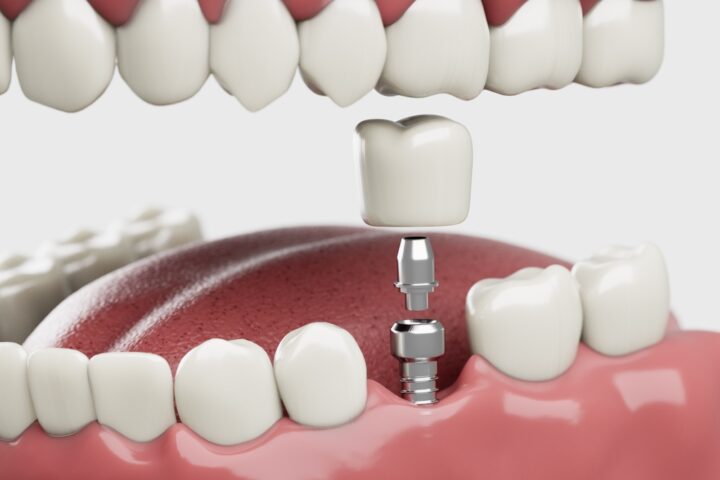
In restorative and prosthetic dentistry, traditional, uncomfortable impression molds have been replaced by rapid intraoral digital scanners. When combined with in-office 3D printing and milling units, clinics can deliver same-day crowns, veneers, and bridges. This streamlined workflow eliminates the need for temporary restorations or multiple follow-up appointments, maximizing convenience while maintaining exceptionally high standards of structural integrity and aesthetic precision. Patients no longer need to wait weeks for external commercial laboratories to manufacture their prosthetics, as the entire design and fabrication cycle is materialised within a single clinical visit.
The Philosophy of Patient-Centered Care
Modern dental practices are steadily moving away from rigid, paternalistic treatment methodologies, shifting instead toward collaborative, patient-centered care. Clinicians recognize that dental anxiety remains a significant barrier to regular treatment, often leading to severe oral degradation due to avoided appointments. To combat this widespread issue, practices are investing heavily in soothing clinic environments, non-pharmacological anxiety management tools, and advanced sedation techniques to prioritize patient comfort.
Furthermore, contemporary oral healthcare places immense emphasis on robust patient education and preventative behaviour modifications. Practitioners utilize interactive digital treatment plans and visual diagnostic models to clearly explain clinical conditions, empowering individuals to make fully informed choices regarding their therapeutic journeys. This collaborative approach fosters deep trust, improves long-term compliance with oral hygiene regimes, and converts standard clinical visits into positive, supportive healthcare experiences that treat the individual rather than just the disease.
Mitigating Risk and Legal Accountability
As dental technologies and treatment clinical workflows grow increasingly sophisticated, the contemporary regulatory and medico-legal landscape demands absolute precision from operating practitioners. The integration of complex diagnostic software and automated surgical guides significantly elevates the baseline standard of care expected by regulatory bodies and patients alike. Consequently, any substantial departure from these established professional benchmarks—whether through diagnostic oversight, inadequate sterilization protocols, or procedural failure—can lead to severe professional accountability and litigation.
When a practitioner fails to exercise reasonable clinical skill, resulting in avoidable physical or psychological trauma to a patient, it falls under the broader framework of clinical malpractice. Individuals who experience substandard care have the legal right to seek restitution through specialised statutory pathways, evaluating if their injuries constitute a specific type of medical negligence. Maintaining meticulous digital records, pursuing continuous professional development, and strictly adhering to modern evidence-based clinical guidelines remain a clinic’s most reliable strategy for mitigating these liability risks, ultimately ensuring patient safety and maintaining public trust in an evolving industry.