The global nootropics market hit $5.3 billion this year — and the conversation is no longer about whether smart drugs work, but which ones are worth your money.
- The Shift From Coffee to Compounds
For decades, caffeine was the only socially acceptable cognitive enhancer. A morning latte, maybe a mid-afternoon espresso — this was the productivity toolkit of an entire generation.
That playbook is changing.
A growing body of professionals — from software engineers pulling focused 12-hour sprints to surgeons who need zero-error concentration — are turning to pharmaceutical-grade nootropics. And at the centre of that shift sits modafinil, a wakefulness-promoting agent originally developed for narcolepsy that has found its second life as a productivity tool.
- What Makes Modafinil Different
Unlike traditional stimulants such as Adderall or Ritalin, modafinil doesn’t flood the brain with dopamine. Instead, it works through a more targeted mechanism — increasing histamine, orexin, and norepinephrine in specific brain regions associated with wakefulness and executive function.
The practical difference? Users consistently report:
- Sustained focus lasting 8–12 hours without the jittery peak-and-crash cycle of amphetamines
- Preserved sleep architecture — taken in the morning, it doesn’t destroy that night’s sleep the way traditional stimulants can
- Low dependency potential — the World Health Organisation has not classified it as a substance with significant abuse potential
A 2024 systematic review published in European Neuropsychopharmacology confirmed what users had been saying anecdotally: modafinil reliably enhances attention, executive function, and learning in non-sleep-deprived adults.
- The Real Challenge: Finding Legitimate Supply
Here’s where the conversation gets practical. Modafinil is prescription-only in most countries, which means the majority of cognitive enhancement users are sourcing it online. And the online pharmaceutical space is — to put it diplomatically — full of unreliable operators.
The difference between a legitimate vendor and a questionable one comes down to three factors:
- Third-party lab verification — Does the vendor publish HPLC (High-Performance Liquid Chromatography) purity reports?
- Delivery guarantees — Will they reship or refund if customs seizes your order?
- Track record — How long have they been operating, and what do independent review sites say?
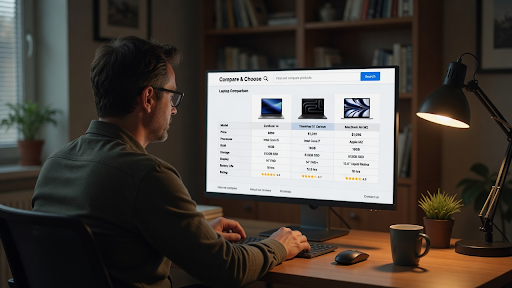
Sites like BuyModa have become go-to resources in this space precisely because they aggregate verified vendor data — HPLC test results, real shipping timelines, and side-by-side pricing comparisons — rather than just running affiliate links and calling it a review.
- The Dosage Question
Most clinical research uses 100–200mg as the standard dose range. The consensus among both researchers and experienced users:
- 100mg is sufficient for most people, especially those under 80kg
- 200mg is the standard “full dose” and what most clinical trials use
- Anything above 200mg shows diminishing returns with increased side effect risk
The most common side effects — headache, mild nausea, and appetite suppression — are typically dose-dependent and resolve within the first few uses.
- Is This Legal?
This is where it gets nuanced. Modafinil exists in a regulatory grey area in most jurisdictions:
- United States: Schedule IV controlled substance. Legal with prescription; personal importation of small quantities is generally tolerated.
- United Kingdom: Legal to possess. Prescription-only to sell domestically, but legal to import for personal use.
- Australia: Schedule 4 prescription medication. The TGA permits personal importation of up to 3 months’ supply.
- Canada: Not a controlled substance. Prescription-required but not scheduled.
The practical reality is that millions of people worldwide purchase modafinil online for personal use without legal consequence. This doesn’t constitute legal advice — but it is the factual landscape.
- The Bottom Line
Cognitive enhancement is no longer fringe science or Silicon Valley biohacking culture. It’s a mainstream consideration for anyone whose livelihood depends on sustained mental performance.
The key is approaching it with the same evidence-based rigour you’d apply to any health decision: start with the research, verify your sources, and begin with the minimum effective dose.
Stay in touch to get more updates & news on Daily!