Hard water is a persistent issue across many parts of the UK, and for homeowners, it often shows up in frustrating ways—limescale on taps, inefficient boilers, and appliances that wear out faster than expected. While traditional water softeners have long been considered the standard solution, they’re not always the most convenient or suitable choice.
As a result, more households are now exploring modern alternatives that focus on preventing limescale rather than removing minerals altogether.
The Reality of Hard Water Problems
Hard water contains calcium and magnesium, which form limescale when heated. This buildup affects both visible surfaces and internal systems.
Common problems include:
- Chalky residue on bathroom and kitchen fixtures
- Reduced water flow due to pipe buildup
- Frequent descaling of kettles and showerheads
- Higher energy bills caused by inefficient heating systems
Limescale inside boilers is particularly problematic. Just a few millimetres of scale can increase energy usage by up to 30%, making it a hidden contributor to rising household costs.
Why Traditional Water Softeners Aren’t Always Ideal
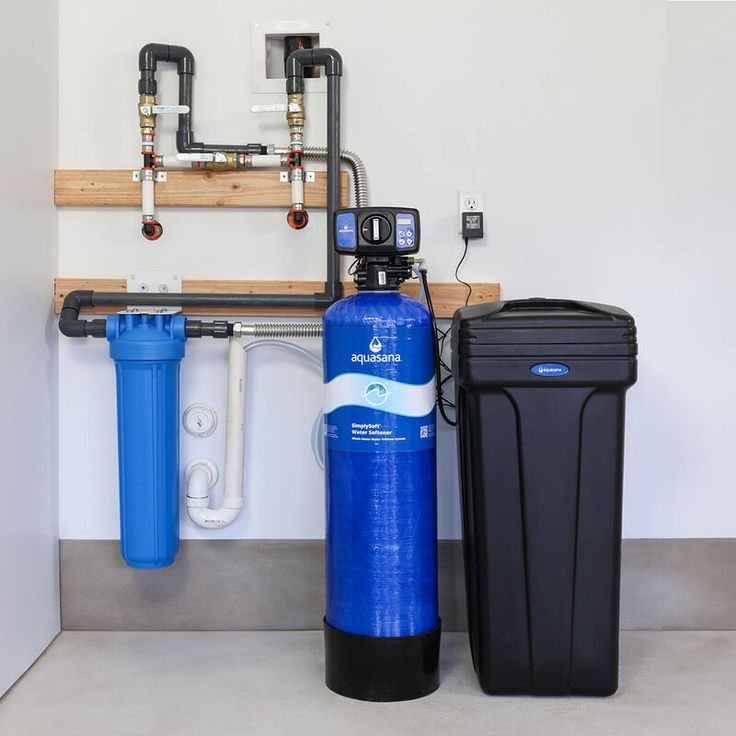
Water softeners work by removing minerals through a salt-based process. While effective, they come with ongoing requirements that don’t suit every home.
Common Drawbacks
- Regular salt refills
- Additional installation space
- Ongoing maintenance
- Changes to water composition
For homeowners looking for a simpler, lower-maintenance option, these factors often lead to considering alternatives.
What Is a Water Conditioning System?
Water conditioning systems take a different approach. Instead of removing minerals, they change their structure so they don’t stick to surfaces as limescale.
This means:
- Minerals remain in the water
- Scale formation is prevented
- Existing buildup can gradually reduce over time
This approach is increasingly popular as it focuses on prevention rather than removal.
Introducing a Halcyan Alternative to Softeners
For homeowners seeking a simpler solution, the Halcyan alternative to softeners offers a practical way to deal with hard water without the need for salt or regular maintenance.
This type of system works as a non-electric water conditioning system, using a specially designed alloy core to alter how minerals behave. As water flows through the unit, the structure of calcium carbonate changes, preventing it from forming hard deposits inside pipes, boilers, and appliances.
Installed directly into the mains supply, it protects the entire home rather than just a single tap or appliance.
Key Benefits for UK Households
Water conditioner UK solutions like this are designed with practicality in mind. The benefits are often noticeable in everyday use.
1. Reduced Limescale Buildup
- Less residue on taps, tiles, and glass
- Easier cleaning routines
- Fewer harsh chemicals needed
2. Improved Energy Efficiency
By preventing scale inside heating systems:
- Boilers operate more efficiently
- Less energy is required to heat water
- Utility bills can be reduced
Some systems can even help lower energy costs significantly by improving overall system performance.
3. Protection for Appliances
- Washing machines and dishwashers last longer
- Fewer breakdowns and repairs
- Better day-to-day performance
4. Maintenance-Free Convenience
Unlike traditional softeners:
- No electricity required
- No salt or chemical refills
- No ongoing servicing
Many systems are designed to last decades with minimal intervention, making them a long-term solution.
How It Compares to Traditional Softeners
Understanding the difference helps homeowners choose the right system.
Water Softeners:
- Remove minerals completely
- Require salt and maintenance
- Produce wastewater
Water Conditioning Systems:
- Prevent minerals from sticking
- Require little to no maintenance
- Retain natural water composition
For many UK households, the second approach offers a better balance between performance and convenience.
Real-Life Benefits You’ll Notice
Switching to a scale prevention system can lead to visible and practical improvements:
- Cleaner bathrooms with less effort
- Improved water flow from taps and showers
- Reduced need for descaling products
- More efficient heating systems
These changes may seem small individually, but together they make a noticeable difference in everyday living.
Supporting Limescale Prevention at Home
To maximise results, combine your system with simple habits:
- Wipe down wet surfaces after use
- Descale appliances occasionally
- Use detergents designed for hard water
These steps help maintain a cleaner home and support long-term efficiency.
Learn More About How Water Conditioners Work
If you want a deeper understanding of how these systems perform in real UK conditions, this guide explains the science, effectiveness, and expectations in more detail:
https://www.bathroomduck.co.uk/blog/do-water-conditioners-actually-work-in-the-uk
Conclusion
Hard water problems are a long-term reality in the UK, but dealing with them doesn’t have to involve complex or high-maintenance systems. While traditional softeners still have their place, many homeowners are now choosing alternatives that are simpler and more sustainable.
By focusing on limescale prevention rather than removal, modern water conditioning systems provide an efficient, low-maintenance way to protect your home, reduce energy costs, and improve everyday comfort.