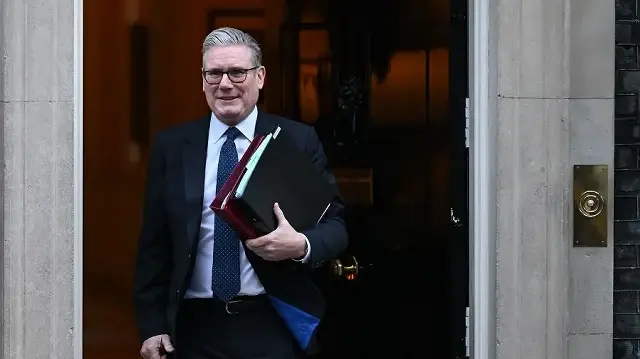
LONDON — Prime Minister Sir Keir Starmer has issued a strong rebuke of remarks made by former US president Donald Trump about NATO and allied troops, calling the comments “deeply disrespectful” and reaffirming Britain’s commitment to collective defence.
The intervention came amid growing political and public reaction in the UK after Trump suggested that NATO allies had failed to contribute fairly to shared military efforts. While Trump did not single out Britain directly, the remarks prompted anger among MPs, veterans’ groups, and senior defence figures.
Speaking during a visit to a military rehabilitation centre, Starmer said Britain’s armed forces “deserve respect, not rhetoric,” adding that UK service personnel had “paid a high price” in joint operations with allies.
The comments triggered a swift response across Westminster. Defence Secretary statements emphasised Britain’s long-standing role as one of NATO’s largest contributors, both financially and operationally. Senior military officials privately expressed concern that such rhetoric could undermine alliance unity at a time of heightened global instability.
Veterans’ organisations were among the most vocal critics. Several groups representing former soldiers said the comments overlooked the sacrifices made by British forces in Afghanistan, Iraq, and Eastern Europe. One former senior officer described the remarks as “careless and historically inaccurate.”
Opposition parties used the moment to push for clearer commitments on defence spending and alliance strategy. Conservative figures accused the government of allowing diplomatic tensions to escalate, while Labour backbenchers urged stronger public support for the armed forces.
Diplomatic analysts noted that the row reflects broader uncertainty surrounding future US foreign policy should Trump return to office. UK officials are understood to be working quietly to reassure NATO partners that Britain remains fully committed to the alliance regardless of political changes in Washington.
Behind the scenes, senior diplomats have been holding discussions with European allies to reinforce shared defence planning. NATO officials declined to comment publicly but stressed the alliance’s collective principles remain unchanged.
Public opinion has also played a role in shaping the response. Recent polling suggests strong UK support for NATO membership, with a majority backing continued military cooperation with European and North American partners.
As the debate continues, Downing Street has sought to strike a careful balance — defending Britain’s armed forces while avoiding direct personal attacks that could further strain relations with a key ally.
The episode has once again highlighted the fragile intersection of global security, domestic politics, and personal diplomacy — and the extent to which words spoken abroad can reverberate sharply at home.