Introduction
Education systems around the world are under pressure to evolve. Traditional classrooms built around fixed seating, rigid schedules, and uniform instruction are struggling to meet the needs of modern learners. Students today expect interaction, personalization, and relevance, while educators seek methods that improve engagement without overwhelming resources. In this search for better solutions, the concept known as classroom 15x has gained attention.
Despite its growing visibility, confusion surrounds what this model truly represents. Some view it as a technology heavy environment, while others associate it with gamified learning or digital platforms. In reality, it is not a single product or system. It is a flexible educational framework designed to amplify learning effectiveness by combining space design, teaching strategy, and digital support.
This article offers a clear and structured understanding of the model, explaining its core elements, practical applications, and long term value for schools and learning institutions.
Understanding the Core Idea
At its foundation, classroom 15x represents a modern approach to designing learning environments that adapt to students rather than forcing students to adapt to the space. The idea focuses on multiplying the impact of teaching efforts by making classrooms more responsive, efficient, and learner centered.
The name reflects transformation rather than a numeric formula. It implies faster feedback, deeper participation, and stronger individual progress when compared to traditional classroom structures. Instead of one fixed setup, the room becomes a dynamic environment that changes throughout the day.
This model rests on three interconnected components that work together rather than in isolation.
Flexible Physical Design
Moving Beyond Static Layouts
Physical space plays a powerful role in how students learn. Fixed rows and heavy furniture often limit interaction and creativity. A classroom built around adaptability allows teachers to reconfigure layouts quickly based on lesson objectives.
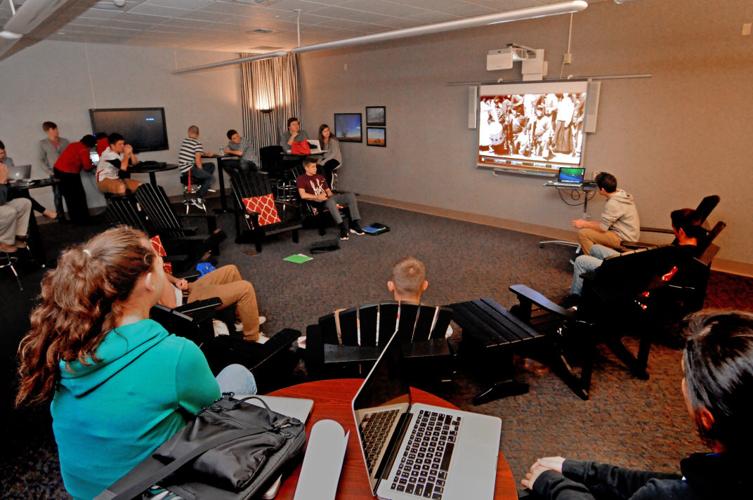
Key design elements include lightweight desks, mobile chairs, and clear pathways that support movement. Students can transition from group discussion to independent work without disruption. Quiet zones and collaboration areas coexist within the same room.
Purposeful Zones
Rather than seating everyone the same way, the room is divided into functional areas. These may include a discussion zone, a project workspace, a reflection corner, and a digital production area. Each zone supports a specific type of learning activity, helping students understand expectations without constant instruction.
Digital Infrastructure That Supports Learning
Technology within this model is supportive rather than dominant. Devices, software, and analytics tools exist to enhance instruction, not replace it. Teachers maintain control while students gain access to resources that match their learning pace.
Common digital elements include shared learning platforms, assessment tools that provide instant feedback, and content creation applications. The emphasis is on integration, ensuring that all tools communicate through a central system to reduce complexity.
When implemented correctly, classroom 15x uses technology to shorten response cycles and give educators real time insight into student understanding.
Teaching Methods That Drive Engagement
Personalized Instruction
A key strength of this approach is its focus on differentiation. Students are offered choices in how they engage with content, whether through projects, discussions, or independent exploration. These choices are structured, ensuring freedom within clear boundaries.
Teachers design tasks that align with learning goals while allowing students to move at different speeds. This reduces frustration and supports confidence.
Continuous Feedback
Instead of relying solely on end of unit exams, frequent check ins are used to gauge understanding. Short assessments, reflection prompts, and quick discussions help teachers adjust instruction before gaps widen.
This ongoing feedback loop is one of the most impactful aspects of the classroom 15x framework, as it keeps learning aligned with student needs.
Why Interpretations Differ
The concept is often misunderstood because different institutions emphasize different elements. Some focus heavily on furniture and room aesthetics. Others highlight data analytics or engagement strategies inspired by game design.
These variations do not contradict the model. They reflect how schools adapt it to their priorities. A technology focused institution may emphasize analytics, while another may concentrate on spatial flexibility or collaboration.
Understanding this flexibility helps educators apply the framework without feeling pressured to adopt every element at once.
Platform and Tool Compatibility
One advantage of this model is that it does not depend on a single vendor or platform. Most existing educational tools can be integrated if they support collaboration, assessment, and content delivery.
| Tool Category | Compatibility Level | Notes |
| Learning management systems | High | Most widely used systems integrate easily |
| Assessment tools | High | Both formative and summative options work |
| Creative applications | Moderate to high | Depends on device availability |
| Analytics dashboards | Moderate | Value increases with consistent data use |
This flexibility allows gradual adoption without costly overhauls.
Practical Design Principles
Successful implementation relies on clear priorities rather than novelty. The following principles keep the classroom functional and sustainable.
Mobility over permanence ensures that the room can change quickly. Zones replace traditional rows, supporting varied activities. A single digital hub reduces confusion. Accessibility is built in from the start, including readable displays and offline options. Most importantly, changes are guided by results rather than trends.
When these principles are respected, classroom 15x becomes a practical tool rather than a decorative concept.
Typical Features Found in Practice
While no two rooms look exactly the same, many share common characteristics.
• Seating arranged in clusters with optional standing desks
• An instructor station with projection and content control
• Writable surfaces on walls or portable boards
• Student devices with reliable charging access
• Digital tools for assessment and content creation
Each feature serves a learning purpose rather than visual appeal.
Budget and Resource Planning
Cost varies widely depending on starting conditions and goals. The model supports phased investment, allowing schools to begin small and expand over time.
| Investment Level | Estimated Range | Typical Additions |
| Entry level | $750 to $1,500 | Mobile boards, furniture upgrades |
| Mid range | $3,000 to $8,000 | Modular tables, projection systems |
| Advanced | $12,000 and above | Full modular design, advanced media tools |
The emphasis is on return rather than scale. Even modest changes can produce noticeable improvements when aligned with pedagogy.
Measuring Educational Impact
To understand whether the model is working, schools track clear indicators rather than relying on impressions alone.
Key measures include how quickly students respond to feedback, how often they engage in practice activities, and how long they remain focused during lessons. Progression in skill mastery over time provides the most reliable evidence.
Transparent progress sharing also strengthens communication with families and stakeholders.
Long Term Value for Schools
When applied thoughtfully, classroom 15x strengthens relationships rather than replacing them with screens. Teachers gain better insight into student needs, while students feel more supported and motivated.
The model encourages adaptability, preparing schools for future changes in curriculum and technology. Instead of constant redesign, the classroom evolves organically.
Conclusion
Educational transformation does not require abandoning proven teaching values. It requires environments that support those values more effectively. Classroom 15x offers a balanced framework that blends flexible space, purposeful technology, and responsive instruction.
By starting with mobility, feedback, and clear learning goals, schools can build classrooms that respond to students in real time. Over time, this approach turns ordinary rooms into adaptive learning environments where both teachers and students thrive.
When implemented with intention, the model proves that meaningful innovation in education is less about complexity and more about alignment.