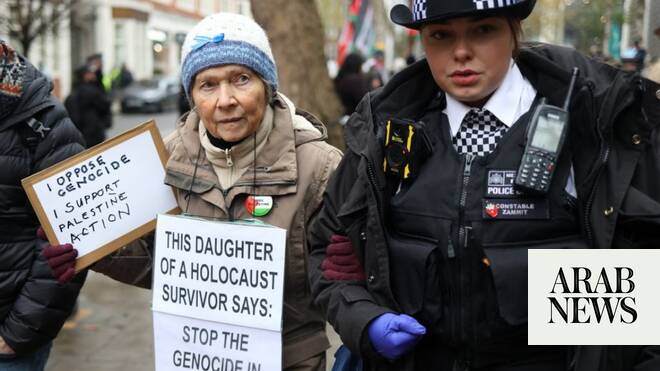
On 26 November 2025, activist group Palestine Action announced it has launched a formal legal challenge against the UK government’s decision to ban the organization earlier this year. The group, which campaigns against what it describes as British complicity in the Israeli occupation, argues that the ban is unlawful, disproportionately punitive, and a breach of civil liberties. The case is set to become a key test of the balance between national security measures and the right to protest in the United Kingdom.
Background of the Ban
The UK government imposed the ban on Palestine Action in response to concerns that the organization’s activities could be construed as extremist or pose a threat to public safety. Officials cited repeated protests, alleged trespassing, and high-profile direct actions targeting companies involved in Israeli arms sales.
In a statement at the time, the Home Office emphasized that the measure was necessary to prevent “activities that risk public order and national security.” However, critics of the ban, including human rights groups, argued that the move represented a political crackdown on dissent and advocacy, rather than a genuine security concern.
Legal Challenge Filed
In response to the ban, Palestine Action has now filed a legal challenge in the High Court, seeking an injunction to overturn the government’s decision. The organization claims the ban violates fundamental freedoms guaranteed under UK law, including the right to peaceful protest, freedom of expression, and the ability to organize politically.
Lawyers representing Palestine Action argue that the government failed to provide sufficient evidence linking the group to criminal or terrorist activity. Instead, they say the ban appears to target activism aimed at raising awareness about human rights violations and corporate involvement in international conflicts.
Arguments Presented by Palestine Action
The legal filing outlines several key arguments:
- Violation of Freedom of Expression: Palestine Action asserts that its campaigns consist of lawful protest and public advocacy. The ban, they argue, suppresses legitimate expression and sets a concerning precedent for other activist groups.
- Lack of Due Process: The group contends that the government did not follow proper legal procedures or provide adequate justification before implementing the ban. They claim that they were not given the opportunity to respond or defend their activities.
- Disproportionality: According to Palestine Action, the severity of the ban is disproportionate to the risk posed. The group emphasizes that its protests are non-violent and that previous interactions with law enforcement were resolved without criminal charges.
- International Law and Human Rights Standards: Lawyers for Palestine Action also reference international human rights agreements to which the UK is a signatory, arguing that the ban contradicts principles protecting the rights to peaceful assembly and association.
Government Position
The Home Office has defended the ban, reiterating that it is a necessary measure to protect public safety and national security. Officials maintain that the decision followed careful review and was based on intelligence about the group’s activities.
A spokesperson for the Home Office said:
“The government has a duty to protect citizens from actions that could threaten public order or safety. While we respect the right to protest, any group engaging in activities that cross the line into illegal action will face consequences under the law.”
The government has signaled that it will vigorously defend the ban in court, emphasizing that allowing the challenge to succeed could set a precedent affecting the management of other organizations deemed potentially harmful.
Support and Opposition
The court case has attracted attention from both supporters and critics. Human rights organizations, civil liberties groups, and activists have expressed solidarity with Palestine Action, warning that a government victory could have broader implications for protest rights across the UK.
Conversely, pro-government and national security advocates argue that the ban is justified. They suggest that organizations employing aggressive tactics to disrupt businesses or public order should not be allowed to operate unchecked, especially when such actions intersect with sensitive international conflicts.
Potential Implications
The outcome of this case could have far-reaching consequences for activist movements, protest rights, and government authority in the UK:
- For Activists: A ruling in favor of Palestine Action could reinforce the legal protections for protest groups and clarify the limits of government intervention. Conversely, a ruling upholding the ban may restrict civil society organizations’ ability to organize campaigns on contentious political issues.
- For the Government: The case may influence how the government balances national security concerns with civil liberties, particularly regarding organizations involved in international advocacy or controversial causes.
- Legal Precedent: The High Court’s decision could set a precedent for interpreting the legal boundaries of bans on organizations, shaping future policy on activism, protests, and non-governmental organizations.
Reactions from the Public
Public reaction has been divided. Supporters of Palestine Action argue that the ban is a politically motivated attempt to silence dissent, particularly on the Israel-Palestine conflict. Many social media campaigns have highlighted the importance of maintaining the right to protest in a democratic society.
On the other hand, some members of the public and commentators argue that the government must maintain firm measures against groups perceived to engage in disruptive or illegal actions. They emphasize that protest rights should not extend to activities that threaten public order or target businesses in ways that could endanger employees or the public.
Court Proceedings and Next Steps
The High Court will review the challenge over the coming months, considering legal arguments from both Palestine Action and the government. Observers expect a detailed examination of the evidence presented by the Home Office, including any intelligence linking the organization to potentially harmful activities.
Legal analysts note that the case could take several months to resolve, with potential appeals extending the process further. During this period, the ban remains in effect, meaning that Palestine Action is legally prohibited from continuing its campaigns.
Looking Ahead
The legal battle over the Palestine Action ban highlights the ongoing tension between civil liberties and government authority in the UK. As the case unfolds, it will provide a crucial test of how the courts interpret the balance between national security and the fundamental rights to protest and free expression.
For activists, policymakers, and citizens alike, the outcome could redefine the parameters of lawful protest, the responsibilities of government oversight, and the future of advocacy on controversial international issues.