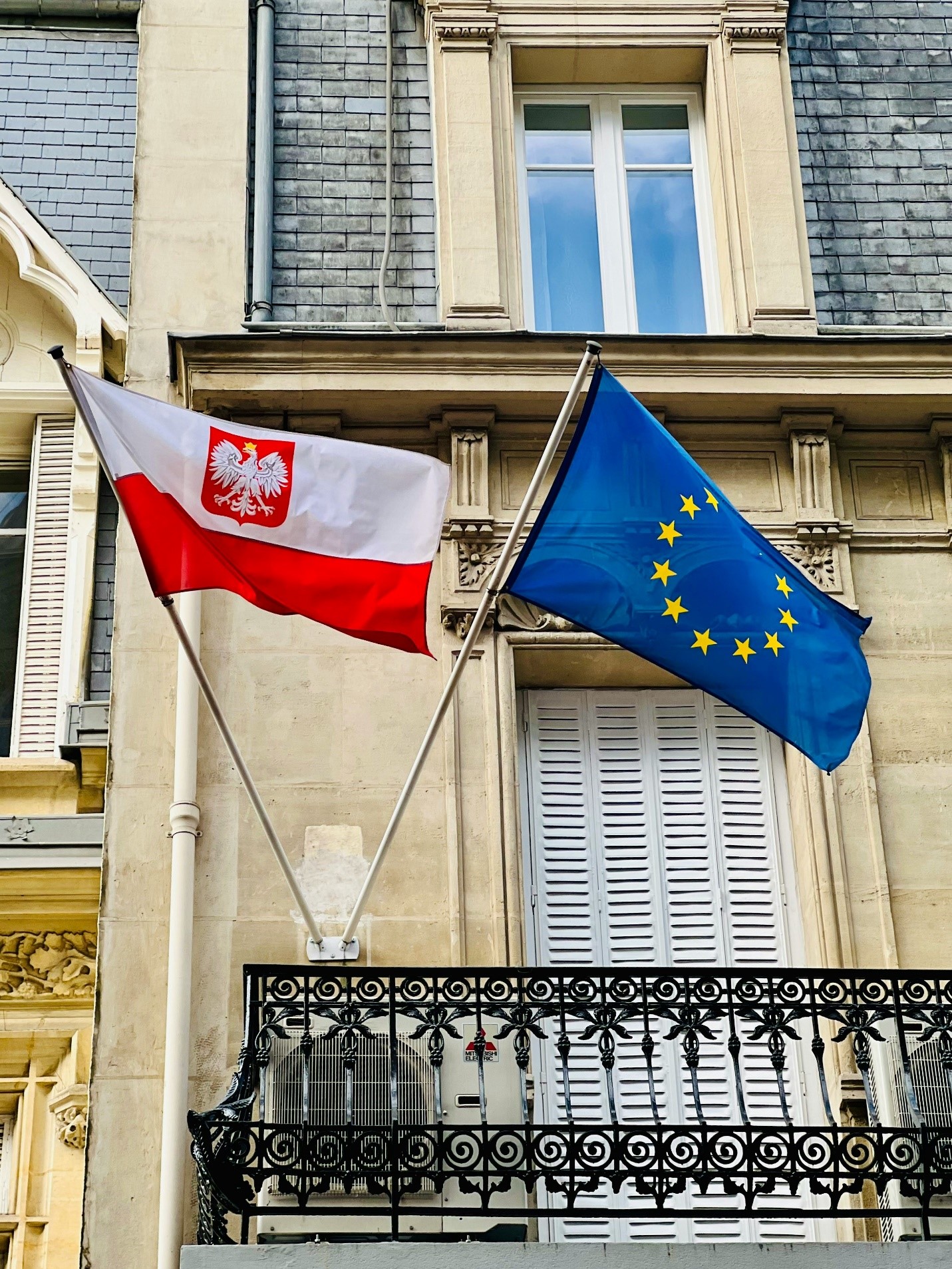
Poland has emerged as one of Europe’s most dynamic business destinations, attracting entrepreneurs and investors from around the world. With a growing economy, competitive labor costs, and access to the European Union market, the country offers excellent opportunities for business expansion.
Whether you’re an individual entrepreneur or an established enterprise, understanding the process of company formation in Poland is crucial for a smooth and compliant start. This guide covers everything you need to know to register and successfully launch a business in Poland.
Why Choose Poland for Business Formation
Poland’s economic stability, modern infrastructure, and investor-friendly policies make it one of the most attractive countries in Central Europe for foreign entrepreneurs. Here are a few compelling reasons to consider setting up your company in Poland:
- Strategic European Location – Positioned between Western and Eastern Europe, Poland offers access to a large and diverse market.
- Skilled and Multilingual Workforce – The country’s education system produces talented professionals across multiple sectors.
- Favorable Business Environment – Simplified company registration procedures and government-backed incentives support new ventures.
- Competitive Costs – Office space, labor, and operational costs are significantly lower than in Western Europe.
- Access to EU Benefits – Businesses based in Poland enjoy the advantages of the European single market.
Choosing the Right Business Structure
Before starting the registration process, you must decide which business structure suits your needs. Poland offers several legal entities for local and foreign investors:
1. Limited Liability Company (Spółka z o.o.)
The Limited Liability Company (LLC) is the most common structure among foreign investors. It requires a minimum share capital of PLN 5,000. Shareholders are not personally liable for company debts beyond their investment.
2. Joint Stock Company (Spółka Akcyjna)
Designed for larger enterprises and public listings, the Joint Stock Company (S.A.) requires a minimum capital of PLN 100,000. It’s ideal for those planning to attract investors or list on the stock exchange.
3. Sole Proprietorship
For individuals wanting full control, a sole proprietorship is a quick option to start small-scale operations. However, the owner bears full personal liability for business obligations.
4. Branch or Representative Office
Foreign companies may open a branch office to conduct operations or a representative office for market research. Both options allow testing the Polish market before full incorporation.
Steps to Register a Company in Poland
Registering a company in Poland involves several administrative steps. While the process is efficient, it’s essential to follow each stage carefully to ensure full legal compliance.
Step 1: Choose the Business Type
Select a business structure that aligns with your investment goals and management style. Most foreign entrepreneurs choose a Limited Liability Company for flexibility and limited liability.
Step 2: Pick a Unique Company Name
Your business name must be distinct and comply with Polish naming laws. It’s advisable to verify its availability before registration.
Step 3: Prepare the Articles of Association
This legal document outlines the company’s ownership, objectives, and governance structure. It must be notarized before filing with authorities.
Step 4: Register with the National Court Register (KRS)
File your application with the National Court Register (Krajowy Rejestr Sądowy – KRS) to officially incorporate your business. This step usually takes between one to two weeks.
Step 5: Obtain a Tax Identification Number (NIP) and REGON
After registration, you’ll need a Tax Identification Number (NIP) and a Statistical Number (REGON) to begin operations.
Step 6: Open a Corporate Bank Account
A Polish business bank account is required to manage company finances and handle tax payments.
Step 7: Register for VAT (if applicable)
If your business will provide taxable goods or services, you must register for Value Added Tax (VAT).
Step 8: Register Employees with Social Insurance (ZUS)
Companies hiring staff must register with the Social Insurance Institution (ZUS) for social security contributions.
Understanding Taxes in Poland
Poland’s tax system supports entrepreneurship through various incentives and reasonable rates:
- Corporate Income Tax (CIT): Standard rate is 19%, while small businesses with revenue under €2 million can benefit from a reduced 9% rate.
- Value-Added Tax (VAT): Standard rate of 23%, with reduced rates of 8% and 5% for specific goods and services.
- Personal Income Tax: Applies progressively from 12% to 32% based on income levels.
- Double Taxation Treaties: Poland has agreements with many countries to prevent double taxation, benefiting foreign investors.
Advantages of Setting Up a Business in Poland
Entrepreneurs choosing Poland for their business formation can benefit from several long-term advantages:
- Strong Economic Growth – Poland’s GDP growth has remained steady, even during global economic slowdowns.
- Access to the EU Market – Companies established here can trade freely across the European Union.
- Investment Incentives – The government offers grants and tax relief for investments in priority sectors.
- Modern Infrastructure – The country’s logistics and technology networks support efficient business operations.
- Skilled Human Capital – Availability of qualified professionals across finance, IT, and manufacturing sectors.
Poland is especially popular among entrepreneurs entering fast-growing industries such as IT, logistics, and staffing. For instance, those interested in the HR and recruitment sector can learn more about starting a recruitment agency in Poland through a detailed industry-focused guide. This is an excellent example of how Poland’s flexible business laws support niche startups.
Setting Up a Business as a Foreigner
Foreign nationals both EU and non-EU can easily start a business in Poland. The process is open and transparent, requiring only basic legal documentation. A local business address is mandatory, though virtual offices and local representatives can assist with registration and compliance.
Those seeking detailed assistance can explore reliable resources online that explain every aspect of setting up a business in Poland, from choosing the right entity to handling tax registration and accounting procedures.
Potential Challenges to Consider
While Poland offers many benefits, new investors should be mindful of a few challenges:
- Administrative paperwork may require documents in Polish.
- Accounting and tax reporting can be complex for newcomers.
- Regional differences may affect registration timelines or incentives.
Working with a local advisor or formation specialist can simplify the process and ensure compliance with all regulations.
Conclusion
Poland’s growing economy, investor-friendly regulations, and central European location make it an ideal destination for establishing a new business. With the right preparation, registering and launching a company in Poland is straightforward and rewarding.
By understanding the formation process, selecting the right legal structure, and complying with tax obligations, entrepreneurs can confidently enter the Polish market and build a successful European base for their operations.