When you imagine braces, you likely think about wires, brackets, and routine adjustments. That is the norm. But what would happen if there were a smarter way to move teeth, something more sophisticated, less invasive, and perhaps even quicker?
This is where the concept of magnetic braces comes in.
It is not science fiction, it is an idea that combines orthodontics and magnetism, two forces that are already well known in their own right. The question is: will they be able to collaborate and transform the future of dental treatment? So, what is it? Let’s take a closer look.
What then are Magnetic Braces?
Magnetic braces are a hypothetical or experimental type of orthodontic treatment that replaces conventional wires and elastic bands with small, strategically positioned magnets.
In traditional braces, teeth are moved by pressure exerted by wires. Instead, magnets may also be able to perform the same task, through the use of attractive or repelling forces to move teeth into more favorable positions.
Consider this: two magnets of opposite poles attract; like poles repel. In theory, that natural force might be used to reposition teeth more precisely and perhaps with less friction.
Other designs propose the use of magnets in brackets or within custom-made aligners. Some look at putting them on the teeth or on removable appliances.
So, before you begin to wonder whether your next visit to the orthodontist will be a magnetized smile, it is worth mentioning–these are still concepts. No mainstream product exists. However, the concept is becoming popular for a reason.
Can Magnetic Braces Actually Speed Things Up?
The short answer? Possibly. But we’re not there yet.
The logic makes sense. If magnets can provide a more consistent and gentle force over time, they could reduce the need for frequent adjustments. That means fewer orthodontist visits and potentially faster progress.
Magnets might also reduce friction compared to metal wires sliding through brackets. Less friction could make it easier for teeth to move, especially during fine-tuning.
But here’s the catch: we don’t have enough clinical research to back this up. It’s one thing to test something in a lab. It’s another to put it in a human mouth, account for saliva, chewing forces, hygiene, and ensure it’s safe long-term.
For now, it’s an exciting possibility—but not yet a proven solution.
What Does the Research Say?
There have been some exploratory studies, mostly at the lab or simulation level. These suggest that magnets could be used to guide tooth movement with reasonable force. But full-scale, peer-reviewed clinical trials on real patients? Those are limited.
No major orthodontic association has endorsed magnetic braces as a viable alternative yet. That doesn’t mean the idea is off the table—it just means we’re still early in the process.
Until then, traditional braces, clear aligners, and other orthodontic methods remain the gold standard.
Where Does Magnetic Therapy Fit In?
While magnetic braces for orthodontics are still theoretical, magnets have been used in wellness and recovery for decades. That’s where Dick Wicks steps in.
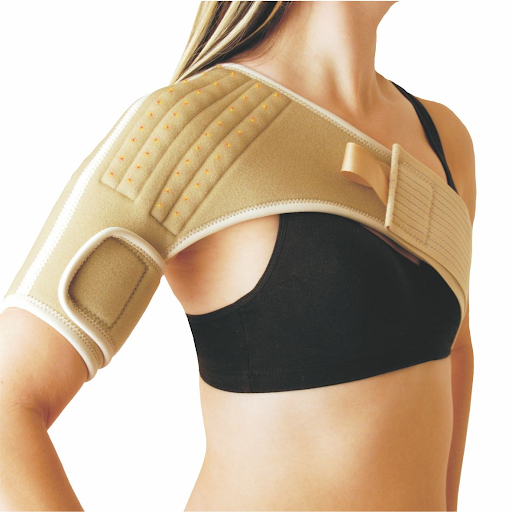
Dick Wicks has developed magnetic therapy products that help relieve discomfort, support joints, and promote mobility. Whether it’s a magnetic knee sleeve or a Foot Ankle Brace, the idea is the same: use safe, low-intensity magnetic fields to help the body feel better.
So, while we’re not making orthodontic braces (yet), we understand how magnets can support the body in meaningful ways—and we’ve seen the results firsthand.
Could Magnetic Braces Be the Future?
They might be. Here’s why:
- Magnetic materials are evolving. New biocompatible alloys could make it easier to use magnets in small, durable dental devices.
- Smart orthodontics is growing. As technology gets smarter, treatments may become more precise and less invasive.
- Patients want better options. Less discomfort. Fewer visits. Shorter timelines. If magnets can help deliver that, there will be demand.
But any future magnetic brace system will need to pass serious safety tests. It must handle the mouth’s wet environment, avoid corrosion, and be compatible with other medical technologies like MRIs. Until those hurdles are cleared, it remains a compelling idea, not a current treatment.
Bottom Line
Magnetic braces offer a fresh way of thinking about orthodontics. They combine natural force with innovative design, aiming to move teeth more efficiently. But we’re still in the early stages. The theory is promising. The data just isn’t there yet.
If you’re curious about how magnetic therapy already helps the body, check out the range of supports at Dick Wicks, including the highly-rated Foot Ankle Brace. It’s magnetic support that’s already making a difference.
FAQs
1. Are magnetic braces available for dental treatment right now?
Ans. No, magnetic braces are still in the research phase and not yet available as a mainstream orthodontic treatment.
2. Could magnets really move teeth?
Ans. In theory, yes. Magnets can apply controlled force, but more research is needed before they can be used safely in orthodontics.
3. Are there any risks with magnetic braces?
Ans. Potential risks include interference with medical scans (like MRIs), corrosion in the mouth, and lack of long-term data on safety.
4. Do magnetic braces hurt less than traditional ones?
Ans. They may reduce discomfort by delivering gentler pressure, but this hasn’t been clinically proven yet.
5. How are magnets used in other types of braces or supports?
Ans. Magnets are commonly used in therapeutic braces to support joints and reduce discomfort. Dick Wicks offers products like the Foot Ankle Brace that apply this principle effectively.
Keep an eye for more latest news & updates on Daily!