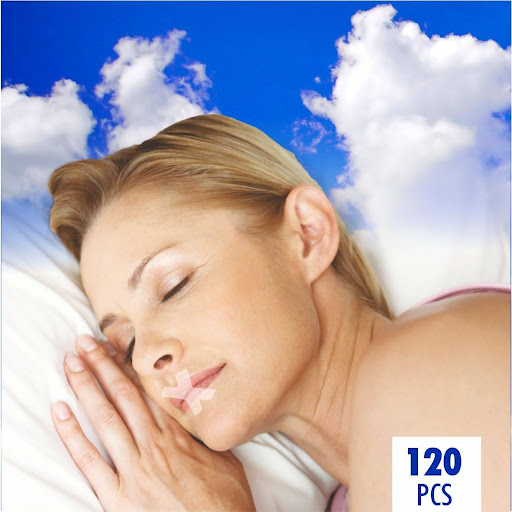
If you wake up with a dry mouth, feel groggy despite a full night’s sleep, or your partner complains about your snoring, chances are you’re breathing through your mouth at night. It might not sound like a big deal, but over time, mouth breathing can mess with your sleep quality, your energy, and even your oral health.
That’s where mouth strips come in, and why they’re suddenly showing up in so many bedtime routines. Let’s unpack why more people are taping their mouths shut before bed and how this small habit can make a big difference.
What Are Mouth Strips?
Mouth strips are simple adhesive patches that gently keep your lips closed while you sleep. That’s it. They’re not a gadget or a medical device, they don’t block your mouth completely or make you feel trapped. Their one job is to encourage nasal breathing instead of mouth breathing, which, as it turns out, is how we’re actually meant to breathe—especially during sleep.
Why Mouth Breathing Wrecks Your Sleep
Mouth breathing might feel normal, but it throws your system off. Here’s how:
- It dries out your mouth and throat
- It increases the chances of snoring
- It leads to shallow breathing and less oxygen intake
- It disrupts deep, restorative sleep
- It can cause bad breath and even gum problems over time
If you’re healing from surgery or recovering from injury and wearing something like an Abdominal Support Belt, quality sleep becomes non-negotiable. Your body heals while you rest—mouth breathing only makes that process harder.
How Mouth Strips Help
Switching to nasal breathing changes how your body handles rest. Mouth strips help you make that shift overnight. Here’s what they do:
Train your body to breathe through your nose.
Your nose filters air, humidifies it, and allows for better oxygen exchange. This lowers your heart rate and reduces stress on your system.
Cut down on snoring.
Less air turbulence means less noise. That alone is a game-changer for partners sharing a bed.
Improve the quality of your sleep.
Better oxygen levels at night lead to deeper, more restful sleep cycles. You wake up feeling like you actually slept.
Protect your oral health.
Mouth breathing dries out your saliva, which protects your teeth. Nasal breathing keeps everything balanced.
Why Everyone’s Talking About Mouth Strips
They’re low-tech, low-cost, and actually work. No wires, no batteries, no complicated instructions. Peel, stick, and sleep.
Even science is backing them. A 2022 study published in Sleep and Breathing found that mouth taping during sleep reduced snoring and improved oxygen levels in people with mild sleep apnea. That’s huge, especially when you consider how many people snore without realizing it’s affecting their health.
There’s also a growing awareness around breathwork, nasal breathing, and natural sleep optimization. Mouth strips are an easy way to bring those ideas into your nightly routine without overhauling your life.
Who Should Try Mouth Strips?
- People who snore but don’t have severe sleep apnea
- Anyone waking up tired, even after seven or eight hours
- Those with dry mouth, sore throat, or bad breath in the morning
- Recovery patients who need quality sleep to heal, like those using a post op shoe or support brace
Mouth strips aren’t for everyone. If you have a blocked nose, chronic congestion, or sleep apnea, talk to your doctor before using them.
First-Time Tips
Start simple. Don’t overthink it.
- Try it on a night when you’re not stressed or overtired
- Make sure your lips are clean and dry before applying
- Don’t force your mouth shut—just let the strip gently guide it closed
- If it feels weird at first, give it a couple of nights
Most people adjust quickly. Within a week, you’ll likely notice a big difference in how you sleep and feel in the morning.
Final Thought
Mouth strips aren’t some miracle hack. They’re just a smart, practical tool for fixing a problem many of us didn’t even know we had. They help you breathe better, sleep better, and wake up feeling like you actually rested.
And if you’re already doing the work to support your recovery—wearing a post op shoe, using an Abdominal Support Belt, eating right—why not fix your sleep too?
It’s one of the easiest changes you can make, and the payoff is real.
Want to support your recovery and sleep smarter? Explore our full range of wellness aids—from Abdominal Support Belts to post op shoes—at Bodyassist.
FAQs
1. Are mouth strips safe to use every night?
Ans. Yes, for most people. They’re designed for consistent nightly use and are made with skin-safe adhesives. If you have a breathing condition, check with your doctor first.
2. What if my nose gets blocked during sleep?
Ans. You’ll still be able to remove the strip easily. If you’re congested, skip the strip that night or clear your nose beforehand.
3. Do mouth strips help with sleep apnea?
Ans. They may help reduce mild symptoms but are not a replacement for CPAP or medical treatment. Always consult a professional.
4. Can I drink water or talk while wearing them?
Ans. No. Mouth strips are for sleeping only. They seal your lips gently to encourage nasal breathing during rest.
5. How long until I notice a difference?
Ans. Some people feel better after one night. For others, it takes a few days of consistent use. Stick with it, it’s worth it.
Keep an eye for more latest news & updates on Daily!