HPTT DMA explained: choosing 35T/75T/100T boards, matching Fuser modules, MAKCU/KMBox controllers, and firmware best practices for predictable latency
HPTT DMA: A Buyer’s Guide to Low‑Latency Builds
If consistent timing is your non‑negotiable, start with
hptt dma as the core requirement. High Precision Timing Technology ensures deterministic behavior under load—essential for engineering, benchmarking, and competitive environments.
Choosing the Right Class
35T — foundational tier for lighter pipelines
75T — balanced throughput and stability
100T — premium headroom for intense workloads.
Don’t Forget the Stack
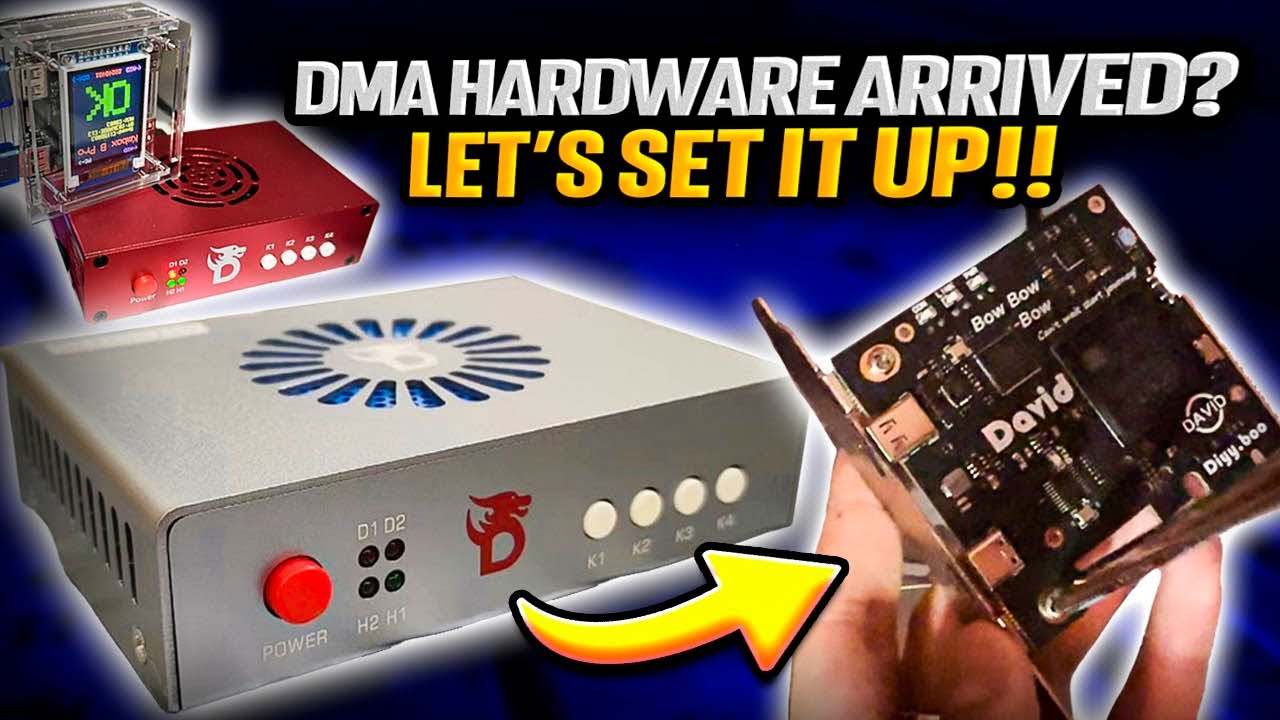
Boards shine when paired correctly: Fuser (2K/4K) for signal needs, MAKCU or KMBox for control, and a well‑maintained DMA firmwareto enable features and safeguards. Many buyers pick a curated DMA Bundleto accelerate deployment.
Checklist Before You Buy
1) Confirm HPTT support and test results for your workload
2) Match board class to throughput and thermals you can sustain
3) Verify firmware update cadence and rollback options
4) Plan peripheral compatibility (Fuser, MAKCU, KMBox)
5) Decide whether a full bundle reduces integration risk.
Conclusions
With HPTT as your compass and a coherent stack, you get predictable latency, easier scaling, and fewer surprises. Start your shortlist with an HPTT DMA capable platform and build from there.