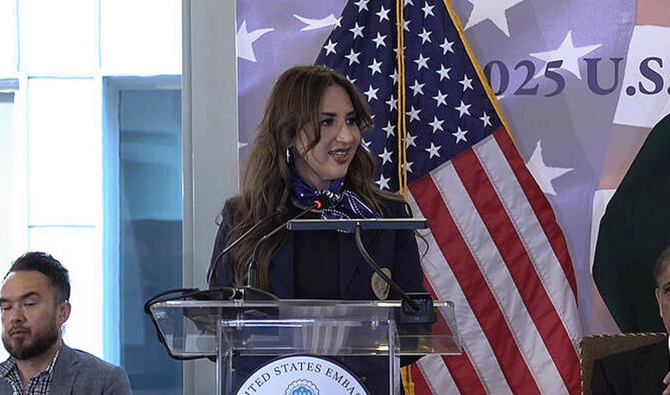
In a move signaling improving economic ties, the U.S. Chargé d’Affaires Natalie Baker recently urged American companies to consider investing in Pakistan’s under-tapped sectors including agriculture, energy, minerals, and IT.
Key Highlights
The comments came during a webinar hosted by the Business Council for International Understanding (BCIU). The focus was on Pakistan’s economic transformation potential, especially given its large and youthful population — 64% under the age of 30.
Investment Potential
- Agriculture: Pakistan is an agricultural economy with rich soil and irrigation networks. However, inefficiencies and outdated technologies offer room for modern solutions.
- Minerals: The country holds untapped reserves of copper, gold, and rare earth minerals, crucial for clean energy technologies.
- Energy: With chronic energy shortages, there’s a strong push toward solar, wind, and hydroelectric solutions.
- IT Sector: The IT industry has shown consistent growth. Freelancers and startups are increasingly contributing to the digital economy.
Challenges
Despite the opportunities, the political instability, regulatory hurdles, and concerns over security and corruption remain a concern for investors. However, recent reforms have made digital banking, investment channels, and tax structures more transparent and foreigner-friendly.
Vision for 2050
According to projections cited by Baker, Pakistan’s GDP could expand from $412 billion today to over $3.3 trillion by 2050, if current reforms stay on track.
The key to unlocking this potential, she emphasized, is bilateral collaboration— especially in education, tech exchange, and green energy.