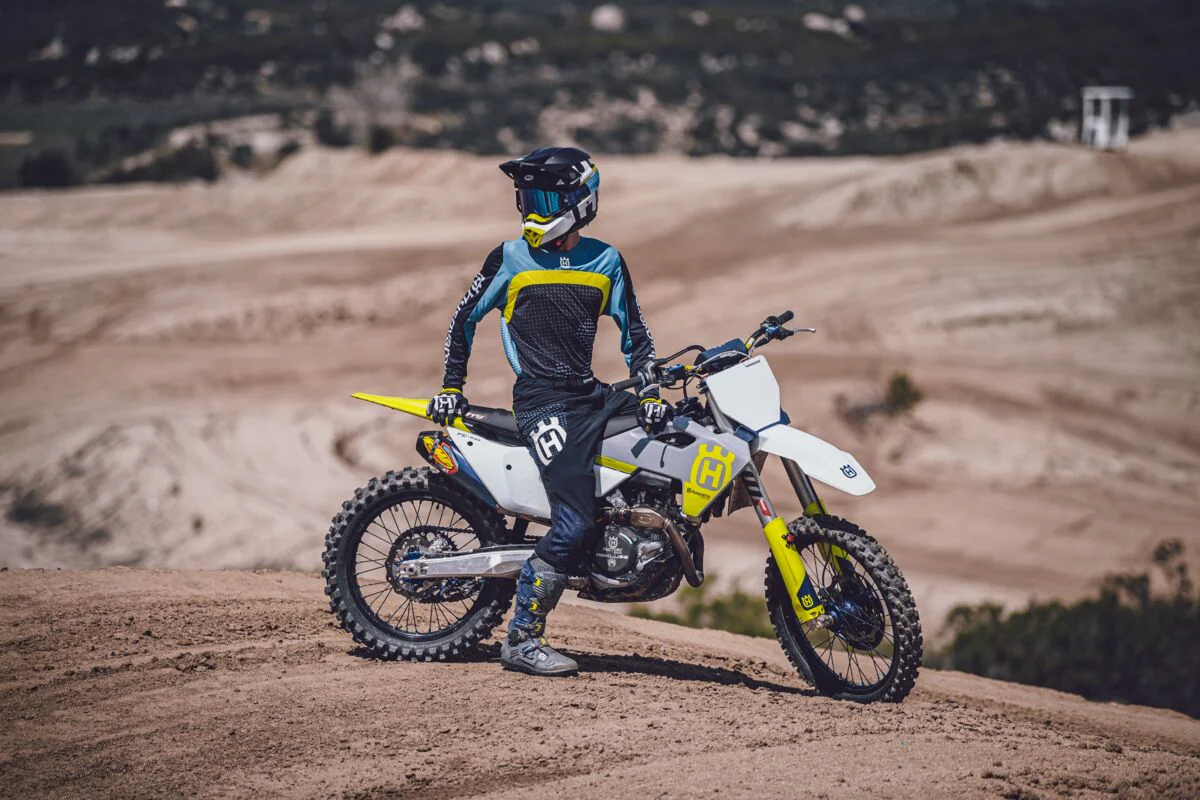
Riding off-road takes more than just speed and enthusiasm—it requires refined handling skills that keep you in control across challenging terrain. From managing turns to balancing on uneven ground, building your riding technique can make every trip safer and more enjoyable. By focusing on the proper habits and practices, you can transform from a casual rider into a confident off-road enthusiast.
Build Your Core Riding Techniques – Dirt Bikes
When it comes to Dirt Bikes, mastering the fundamentals is key to handling them effectively. Proper body positioning, throttle control, and braking technique all contribute to stability and responsiveness. Keep your elbows up, grip the bike with your knees, and shift your weight as needed to adapt to the terrain. For example, when riding over loose gravel, stand slightly on the foot pegs to let the bike move freely beneath you, which helps maintain traction. Practising these basics regularly will make them second nature, improving your confidence on any surface.
Adapt Your Skills For Other Off-Road Machines – Quad Bikes
If you also ride Quad Bikes, you’ll need to adapt your approach, as they handle differently from two-wheeled machines. Quad bikes need greater upper-body input for turning and stability than dirt motorcycles do. When cornering, lean your body into the turn while shifting your weight to counterbalance the machine’s momentum. Cross-training between the two vehicles can sharpen your overall off-road handling skills, as it forces you to adjust quickly to changes in weight distribution and steering response.
Take Advantage Of Modern Technology – Electric Quad Bikes
Some riders benefit from training on quieter, lower-maintenance off-road options like Electric Quad Bikes. Practising on a variety of off-road vehicles can broaden your skills and make you more adaptable when switching back to your dirt bike.
Master The Art Of Cornering
Cornering is one of the most critical aspects of dirt motorcycle riding. Go around corners slowly, stop before going in, and if you need to, use your inside leg to help you stay steady. Look through the turn rather than directly at the front wheel, as this helps guide your body and the bike naturally toward the exit. The more you practise tight and sweeping turns, the better your reflexes will become when faced with unpredictable trail conditions.
Improve Throttle And Brake Control
Smooth and precise control of both throttle and brakes is vital for effective handling. Avoid sudden twists of the throttle, which can cause wheel spin, and use progressive braking to maintain balance. Many riders also overlook the importance of the rear brake—it can help stabilise the bike in corners or when descending steep slopes. Combining both brakes with correct weight shifting can dramatically improve your overall control.
Train On A Variety Of Terrains
To truly refine your dirt bike handling skills, challenge yourself on different types of terrain—sand, mud, gravel, and rocky paths each require slight adjustments in technique. Riding in varied conditions improves adaptability and reaction time, making you better prepared for unpredictable trail situations. Start slowly when tackling new terrain and build up your speed as you become more comfortable.
Strengthen Your Physical Fitness
Handling a dirt bike for extended periods demands strength, balance, and endurance. Core and leg muscles are particularly important for stability and absorbing impacts from uneven surfaces. Incorporate exercises like squats, lunges, and planks into your training routine. Better fitness not only improves your riding performance but also reduces fatigue, which is a common cause of mistakes on the trail.
Use Slow-Speed Practice To Build Control
Many riders focus only on high-speed practice, but low-speed manoeuvres are equally important for developing handling skills. Set up a small practice course with cones or markers and work on figure-eights, tight U-turns, and balance drills. This type of training helps improve clutch, throttle, and brake coordination, which will serve you well when navigating tight trails or technical sections.
Learn From Experienced Riders
Riding alongside more experienced riders can be one of the fastest ways to improve your handling skills. Observing their body positioning, line choices, and reactions to different obstacles can give you valuable insights. Don’t be afraid to ask for tips or feedback—most seasoned riders are happy to share their knowledge and help others progress.
Prioritise Safety While Learning
Improving your dirt bike handling skills should never come at the expense of safety. It is imperative to consistently employ suitable protective equipment, such as a helmet, goggles, gloves, boots, and body armour. Make sure your bike is well-maintained, with tyres in good condition and controls functioning smoothly. Safe practice ensures that you can keep building your skills without unnecessary risks.
Stay in touch to get more updates & news on Daily!