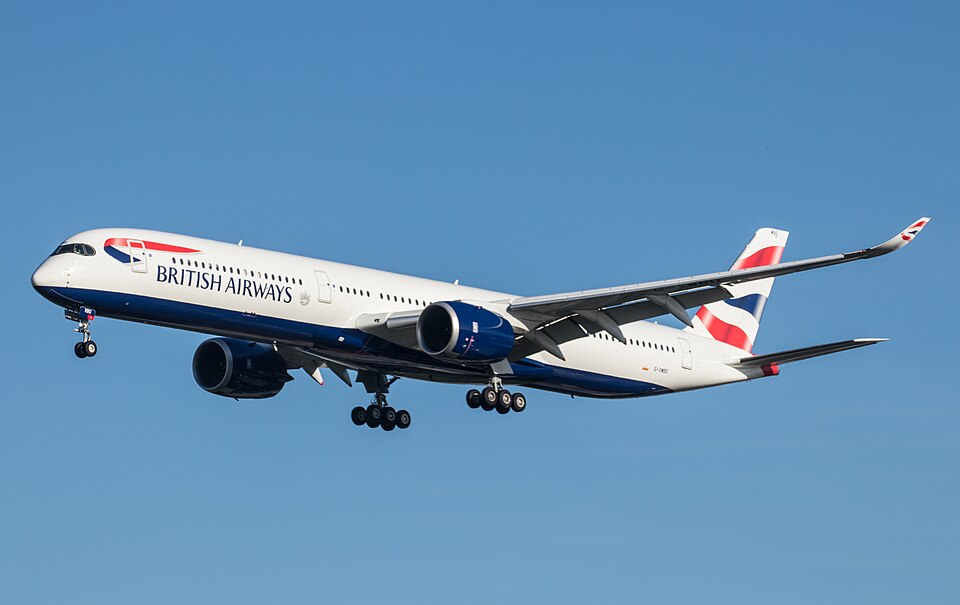
In the aviation industry, every flight carries with it a meticulous plan, strict safety protocols, and an unwavering commitment to the well-being of passengers and crew. Yet, despite the best preparations, unforeseen situations can arise that test both skill and professionalism. One such incident that gained attention in the aviation community was British Airways Emergency Flight BA286 — a flight that quickly shifted from routine to urgent, demonstrating how preparedness and teamwork can make all the difference.
A Routine Journey Turns Critical
Flight BA286, part of British Airways’ long-haul operations, was scheduled to transport passengers across continents, connecting one of its major international hubs to London. For many passengers, it began like any other trip: boarding procedures, safety demonstrations, and the hum of engines readying for departure.
However, mid-journey, events took an unexpected turn. The details surrounding an emergency declaration often vary, but what is consistent is the speed at which the crew must act. On BA286, a developing issue — whether mechanical, medical, or environmental — necessitated an immediate shift in focus from a standard flight path to emergency protocols.
Understanding an Emergency Declaration
When a flight crew declares an emergency, it’s not a decision made lightly. This declaration, communicated to air traffic control, alerts every relevant authority that the aircraft requires priority handling. For Flight BA286, the pilots would have quickly assessed the situation, weighing the nature of the problem against the safest course of action.
An emergency can stem from multiple causes, including:
- Technical issues such as engine irregularities, hydraulic problems, or sensor malfunctions.
- Medical emergencies involving passengers or crew needing urgent care.
- Environmental factors like severe turbulence, sudden weather changes, or smoke detection.
Regardless of the specific cause, what’s critical is that the crew transitions into well-rehearsed safety procedures designed for rapid, coordinated action.
The Role of the Flight Crew in BA286’s Response
British Airways has long been recognized for its rigorous crew training, and the handling of Flight BA286’s emergency showcased this commitment. In such situations:
- Pilots manage communication with air traffic control, navigate towards a diversion airport if necessary, and keep the aircraft stable and safe.
- Cabin crew focus on passenger safety, ensuring seat belts are secured, oxygen masks are ready if needed, and that panic is kept to a minimum through calm, clear instructions.
- Ground coordination begins immediately, ensuring that emergency services are ready upon landing.
On BA286, these synchronized roles would have been critical in maintaining order and safety.
Passenger Experience During the Incident
For passengers, an in-flight emergency can be a deeply unsettling experience. The calm hum of the journey can suddenly be replaced by urgent announcements, visible changes in crew demeanor, or adjustments in cabin lighting. On BA286, passengers would have noticed these shifts but also the professionalism of the staff in guiding them through the situation.
The immediate priority for those on board would be to remain seated, follow instructions, and trust in the expertise of the crew — a trust that has been earned by the airline through decades of safe operations.
The Diversion and Safe Landing
When emergencies occur mid-flight, one of the first considerations is whether to divert to the nearest suitable airport. For BA286, this might have meant altering course and coordinating with ground authorities at a different location than the original destination.
Upon approach, emergency services — fire crews, paramedics, and technical specialists — would be positioned on standby. The landing itself would be executed with precision, ensuring the aircraft was brought to a complete stop in a manner that addressed the specific emergency at hand.
Post-Landing Procedures
After the aircraft was safely on the ground, the incident would have triggered a chain of post-landing actions:
- Passenger care – offering medical attention if needed, assisting with rebooking or accommodations.
- Technical inspections – engineers examining the aircraft to diagnose and address the cause of the emergency.
- Incident reporting – required by aviation authorities to document the event, analyze the response, and prevent recurrence.
For BA286, this meant ensuring that every passenger was safe, accounted for, and either able to continue their journey or receive support if their travel plans were disrupted.
Aviation Safety Standards in Action
One of the most reassuring aspects of modern air travel is the extraordinary level of safety built into the system. British Airways, like all major carriers, operates under strict regulations that govern every aspect of its operations — from aircraft maintenance to crew readiness.
The BA286 emergency illustrated how these safety measures are not just theoretical but active, living protocols that protect lives. The fact that the flight concluded without injury or serious incident is a testament to this preparation.
Public and Media Response
Any emergency landing or in-flight declaration involving a major airline draws public attention. While official details about BA286’s incident would be carefully communicated to avoid misinformation, the story naturally sparked curiosity. Media coverage focused on the professionalism of the crew, the preparedness of emergency responders, and the resilience of passengers in a stressful situation.
For aviation enthusiasts, the incident also became a case study in effective crisis management, showing how training translates into real-world results.
Lessons Learned from Flight BA286
Every aviation incident — even those resolved without harm — offers valuable insights. Key lessons from BA286 likely included:
- The importance of rapid, clear communication between cockpit, cabin, and ground.
- The value of drills and scenario training in preparing crews for high-stress situations.
- The resilience of passengers when provided with clear, confident guidance.
By analyzing these lessons, airlines can continue refining their emergency protocols and passenger care strategies.
Final Thoughts
The story of British Airways Emergency Flight BA286 is one of professionalism, preparedness, and the enduring safety culture in commercial aviation. What began as a standard flight became an unplanned test of skill, handled with precision from the cockpit to the cabin floor.
In the end, the safe conclusion of the flight stands as a reminder that while air travel may occasionally encounter the unexpected, layers of safety and expertise ensure that passengers are in capable hands. BA286 not only reached the runway — it landed with its passengers reassured that even in emergencies, safety remains the top priority.