Most of us are pretty good at fixing problems once they show up. If the car starts making a strange noise, we book it in for service. If the phone battery won’t hold a charge, we replace it. But when it comes to our own health, many people wait until something feels “wrong” before taking action.
Preventive health check-ups work differently. Instead of reacting to illness or discomfort, they focus on staying ahead of potential issues—often before symptoms appear. It’s a quieter, less dramatic approach to healthcare, but over time, it can make a powerful difference to how we feel, function, and live.
Seeing Health the Same Way You See Maintenance
Think about how routine servicing keeps a car running smoothly. Oil changes, brake checks, and tire rotations don’t feel urgent—but skipping them can lead to bigger, more expensive problems down the road. Preventive health check-ups follow the same principle.
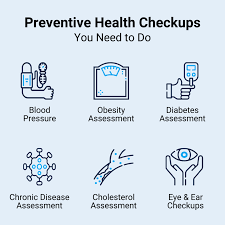
A regular check-up may include simple measurements such as blood pressure, cholesterol levels, and blood sugar. These numbers can quietly drift into unhealthy ranges without causing noticeable symptoms. By spotting those changes early, small adjustments—such as improving diet, increasing physical activity, or managing stress—can help prevent more serious conditions later.
This kind of proactive care is also common in other industries. Businesses run audits before issues turn into losses. Buildings undergo inspections before structural damage becomes dangerous. The idea is the same: prevention protects both short-term stability and long-term outcomes.
Catching Small Issues Before They Grow
One of the biggest benefits of preventive care is early detection. Many serious health conditions don’t announce themselves loudly at first. Heart disease, diabetes, and certain cancers often develop gradually, with subtle or no early symptoms.
For example, a person might feel generally fine but have slightly elevated blood pressure. Without testing, it could go unnoticed for years. With regular monitoring, that early signal becomes an opportunity—an invitation to act before damage occurs. Early intervention is often simpler, less invasive, and more effective.
Skin checks are another everyday example. A small spot or mole may not seem concerning, but routine examinations can identify changes early, when treatment is most straightforward. This mirrors quality control processes in manufacturing, where catching a flaw early prevents entire batches from being wasted.
Preventive check-ups don’t create problems—they reveal information. And information gives people choices.
Building a Long-Term Relationship With Your Health
Preventive care isn’t just about tests and measurements; it’s about continuity. Seeing the same medical team over time allows patterns to emerge. Weight changes, recurring stress, sleep issues, or subtle shifts in energy levels all tell a story when viewed together.
This long-term perspective is especially helpful during life transitions—such as starting a new job, having children, approaching midlife, or entering retirement. Each phase brings different physical and emotional demands, and preventive check-ups help align healthcare with those changes.
In fields like education or sports, progress is tracked over time to guide improvement. Athletes review performance data. Students follow learning milestones. Health works best the same way. Regular check-ins provide context, making it easier to understand what’s normal for you and what may need attention.
For many people, working with a trusted general practice—such as Harbour Town Doctors—helps turn preventive care into a habit rather than a one-off task. When check-ups are familiar and routine, they feel less intimidating and more like part of everyday life.
Prevention Supports Mental and Emotional Wellbeing Too
Preventive health isn’t limited to physical measurements. Mental and emotional wellbeing are just as important, and regular check-ups create space to talk about stress, anxiety, sleep, and mood changes.
Many people normalize feeling exhausted or overwhelmed, assuming it’s just part of modern life. But regular conversations with a healthcare professional can uncover manageable contributors—such as workload imbalance, poor sleep quality, nutritional gaps, or unresolved stress. Addressing these early can prevent burnout and more serious mental health challenges later.
This approach is similar to workplace employee wellbeing programs. Companies that check in on morale and workload early often see better performance and lower turnover. When wellbeing is monitored proactively, people tend to function better across all areas of life.
Small Actions Today, Bigger Benefits Tomorrow
One reason preventive care is sometimes overlooked is that its benefits aren’t always immediate. You don’t always “feel” a normal blood test or a clear screening result. But over the years—and decades—those quiet confirmations add up.
Preventive check-ups help people stay active longer, recover faster, and maintain independence as they age. They support healthier pregnancies, safer travel, stronger immune systems, and better management of existing conditions. According to widely accepted public health principles, prevention is one of the most effective ways to improve population-wide health outcomes.
At its core, preventive care is about respect—for your time, your body, and your future. It’s choosing steady, thoughtful attention over last-minute fixes. Just as regularly saving money builds financial security, consistent health check-ups build physical and emotional resilience.
Long-term wellness rarely comes from one big decision. It’s shaped by many small, sensible choices made over time—and preventive health check-ups are one of the simplest places to start.