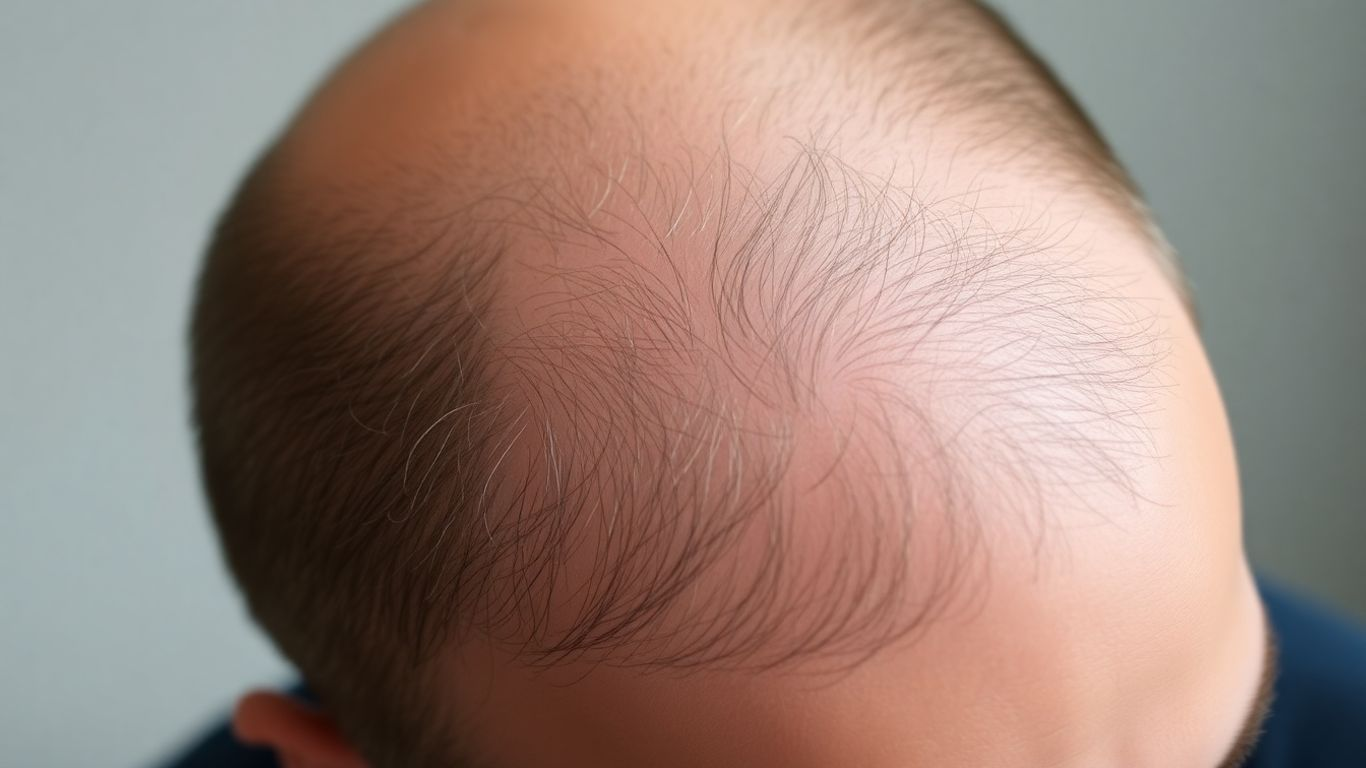
When considering a hair transplant, it’s important to know that the final price isn’t set in stone. Several elements play a role in how much you’ll end up paying for the procedure. Think of it like building a house; the size, materials, and location all affect the overall cost. Similarly, with hair transplants, the number of grafts, where you get it done, and who performs it are key price drivers. If you’re exploring the cost of hair transplants in the UK, guides like Hairy’s cost breakdown explain how these factors can shift the final price.
The number of grafts needed is often the biggest factor in the total cost. More grafts mean more work for the surgeon and staff, directly impacting the price. It’s not just about covering a large area; it’s about the density you want and the specific areas you’re targeting. Understanding your individual needs is the first step in estimating the cost of a hair transplant.
It’s also worth noting that the cost of a hair transplant can vary significantly based on your geographic location. Clinics in major cities or areas with a higher cost of living often charge more. This is due to higher overheads, including rent and staff salaries. The surgeon’s experience and the clinic’s reputation also contribute to the overall price. Highly experienced surgeons with a proven track record may command higher fees, but this often translates to better results and a more natural look.
Estimating Your Personal Hair Transplant Budget
Figuring out the cost of a hair transplant is a big step. It’s not a one-size-fits-all price, as many things affect the final number. Understanding these factors helps you plan and budget effectively for your hair restoration journey. The goal is to get the results you want without financial strain.
Assessing Your Hair Loss Severity with the Norwood Scale
To get a clear picture of what your hair transplant might cost, it’s helpful to understand your hair loss. The Norwood Scale is a common tool used to classify the extent of male pattern baldness. It ranges from Class 1 (minimal to no hair loss) to Class 7 (most advanced hair loss). Knowing your Norwood classification helps surgeons estimate the number of grafts needed. More extensive hair loss typically means more grafts, which directly impacts the overall price of the hair transplant. This scale is a good starting point for estimating your personal hair transplant budget.
Considering Multiple Procedures for Desired Results
Sometimes, achieving your ideal hair density and coverage requires more than one session. This is especially true if you have significant hair loss or are looking for a very full result. Each additional procedure will add to the total cost. It’s important to discuss with your surgeon whether multiple procedures are likely necessary for your goals. Planning for potential future sessions is a smart way to manage your hair transplant budget over time.
Evaluating Donor Hair Availability and Characteristics
The amount and quality of donor hair you have are also key factors. Donor hair, usually taken from the back and sides of the head, is what will be transplanted to the thinning or bald areas. Surgeons assess the density, thickness, and color of your existing hair. Limited donor hair might mean fewer grafts can be transplanted, potentially affecting the number of sessions needed. The characteristics of your donor hair can influence the final look and, consequently, the cost of your hair transplant.
Navigating the Cost of Hair Transplants in the UK
When considering a hair transplant in the UK, understanding the pricing is key. Costs can vary quite a bit, and it’s not a one-size-fits-all situation. Many people find themselves looking up ‘hair transplant cost UK’ to get a general idea, but the reality is more complex.
The price tag for a hair transplant in the UK isn’t fixed. It depends on several factors, including the clinic’s location, the surgeon’s experience, and the specific technique used. It’s a significant investment, and getting a clear picture of the expenses involved is the first step for anyone thinking about this procedure.
It’s important to remember that most standard health insurance policies in the UK do not cover hair transplant procedures. This is because they are generally considered cosmetic or elective treatments, not medically necessary ones. Therefore, you should expect to cover the full cost of the hair transplant yourself.
Exploring Affordable Hair Transplant Options
Considering a hair transplant is a big step, and the cost can seem daunting. However, there are ways to make this procedure more accessible. It’s all about smart planning and exploring different avenues to fund your hair restoration journey. Many people find that by developing a solid savings plan, they can cover a significant portion, if not all, of the procedure’s cost.
Developing a Savings Plan for Your Procedure
Starting a dedicated savings account for your hair transplant is a smart move. Aim to set aside a fixed amount each month. Cutting back on non-essential spending can speed up this process considerably. Think about small changes, like making coffee at home instead of buying it daily, or packing your lunch. These small savings can add up quickly, making a real difference in how much you can afford for your hair transplant.
Reducing Unnecessary Expenses to Fund Your Transplant
Beyond daily habits, look at larger expenses you might be able to trim. Could you postpone a vacation, cut back on subscriptions you don’t use, or find cheaper alternatives for entertainment? Every dollar saved can be redirected towards your goal. Remember, the aim is to make the hair transplant affordable for you, and smart budgeting is key.
Considering Personal Loans to Supplement Savings
If saving the full amount upfront isn’t feasible, personal loans can be an option to cover the remaining costs. Many clinics also partner with financing companies that offer payment plans. This can break down the total cost into manageable monthly payments, making the procedure more financially manageable. It’s important to compare loan terms and interest rates to find the best fit for your budget. This approach can help you achieve your desired results without undue financial strain. The cost of a hair transplant is an investment, and these options help make that investment achievable.
Comparing Different Hair Transplant Techniques and Costs
The Pricing Structure Per Graft
When looking into hair transplants, you’ll often see prices quoted per graft. This might seem straightforward, but it’s important to understand how this adds up. A clinic might advertise a low price per graft, but if you need thousands of grafts, the total cost can increase significantly. This per-graft pricing is a common way clinics break down the expense, making it easier for patients to grasp the cost associated with the number of hair follicles being moved.
It’s not just about the number of grafts, though. The technique used also plays a big role in the cost per graft. Some methods are more labor-intensive and require more specialized equipment, which naturally drives up the price. Always ask for a detailed breakdown of what the per-graft cost includes, such as the harvesting, processing, and implantation of each follicle.
The Cost Differences Between FUE and FUT
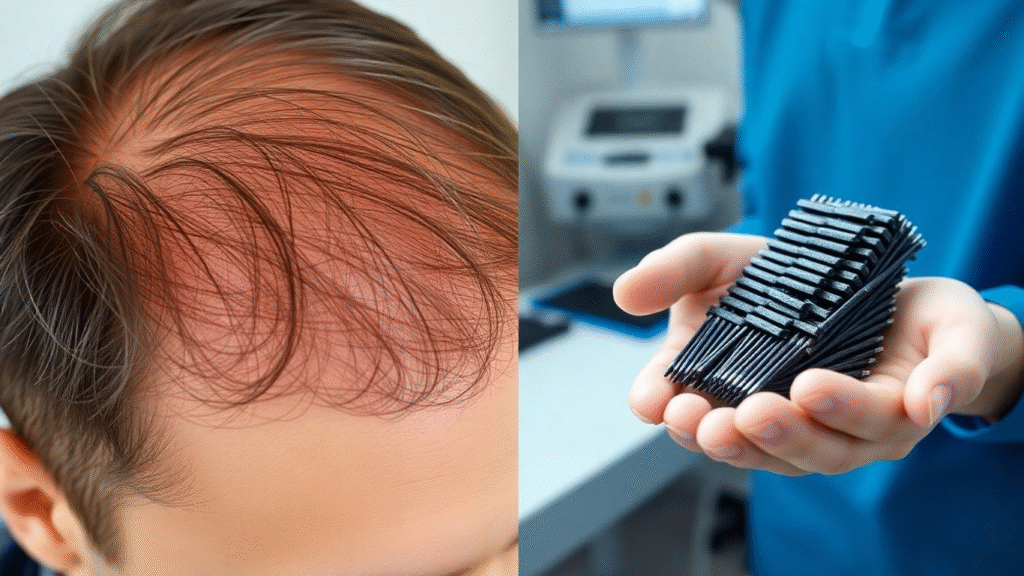
Two main techniques dominate hair transplantation: Follicular Unit Transplantation (FUT) and Follicular Unit Extraction (FUE). FUT, often called the ‘strip method,’ involves removing a strip of scalp from the donor area, which is then dissected into individual grafts. This method is generally less expensive per graft because it can be faster for the surgical team to harvest a large number of grafts this way.
FUE, on the other hand, involves extracting individual hair follicles directly from the donor area using tiny punches. While FUE typically has a higher cost per graft, it offers distinct advantages. The primary benefit is that it leaves minimal scarring, allowing for shorter hairstyles without visible signs of the procedure. This meticulous process requires more time and specialized tools, contributing to its higher price point.
How Technique Choice Affects the Final Price
Your choice between FUE and FUT directly impacts the overall cost of your hair transplant. Because FUE is more time-consuming and requires greater precision from the surgeon and their team, it usually comes with a higher price tag compared to FUT. However, the trade-off is often in the reduced scarring and quicker recovery associated with FUE.
Consider your personal needs and priorities. If minimizing scarring and having the flexibility to wear your hair short are paramount, the higher cost of FUE might be justified. Conversely, if budget is the primary concern and you don’t mind a linear scar that can be hidden with longer hair, FUT might be a more economical choice. Understanding these differences helps in budgeting accurately for the hair transplant procedure that best suits you.
The decision between FUE and FUT isn’t just about the immediate cost; it’s about the long-term aesthetic outcome and personal comfort.
Here’s a general comparison:
| Feature | FUT (Strip Method) | FUE (Follicular Unit Extraction) |
| Cost Per Graft | Lower | Higher |
| Scarring | Linear scar | Minimal, tiny dots |
| Recovery Time | Longer | Shorter |
| Ideal For | Larger sessions, budget-conscious | Shorter hair, minimal scarring |
Potential Side Effects and What to Expect Post-Procedure
Common Side Effects and Their Management
After a hair transplant, some tenderness is normal. Pain medication can help manage this. Bandages will likely cover your scalp for a day or two. Your doctor might also suggest antibiotics or anti-inflammatory drugs. Most people can return to work within a few days. It’s important to follow your doctor’s aftercare instructions closely. This includes how and when to wash your hair. Gentle washing with mild shampoo is usually recommended after a few days. Avoid harsh chemicals and excessive sweating for a while.
Within the first few weeks, the transplanted hair will fall out. This is a standard part of the process. New growth typically starts within a few months. You might experience some inflammation or infection of the hair follicles, known as folliculitis. This can usually be eased with compresses and antibiotics. Sometimes, existing hair in the treated area might temporarily shed, called shock loss. This is usually not permanent.
It’s vital to discuss all potential risks with your surgeon before the procedure. They can explain what level of improvement you can realistically expect. This conversation helps you decide if a hair transplant is the right choice for you. Understanding these common side effects helps manage expectations during the recovery period.
Signs of a Hair Transplant Gone Wrong
While most hair transplants go smoothly, it’s good to know what to look out for. Signs that something might not be right include poor growth of the transplanted hair. You might also notice a hairline that looks unnatural or uneven. Visible scarring on the scalp can occur, though skilled surgeons minimize this. Another concern is scalp necrosis, which is dead skin. The surgical wound opening up is also a serious sign.
It’s important to remember that hair transplants are a surgical procedure. Like any surgery, there are inherent risks. These can include bleeding and infection. The goal is always natural-looking results, but sometimes the growth can appear strange. Being aware of these potential issues is part of the preparation.
If you notice any of these signs, it’s important to seek professional medical advice promptly. Early detection and intervention can make a significant difference in the outcome.
When to Seek Medical Attention After Surgery
Contact your doctor immediately if you experience severe bleeding after your hair transplant. A rash, bumps, or cysts on the scalp could indicate an infection. If the incision wound opens up, that’s another urgent sign. Skin that appears dusky and crusty might also need medical attention. Swelling in the face, especially if accompanied by hives or breathing difficulties, is a serious allergic reaction.
Pay attention to your body’s signals during the recovery phase. While some discomfort is expected, severe or unusual symptoms should not be ignored. Your surgeon will provide specific contact information for emergencies.
It’s also wise to contact your doctor if you have concerns about the healing process or the appearance of the transplanted hair. They can assess the situation and provide appropriate guidance. Remember, the goal is a successful outcome, and prompt medical attention can help achieve that.
The Long-Term Value of a Successful Hair Transplant
Understanding the Permanence of Transplanted Hair
When people consider a hair transplant, they often focus on the immediate results. However, the real value lies in the longevity of the outcome. The hair follicles used in a transplant are typically taken from areas of the scalp that are genetically resistant to balding. This means that once these follicles are moved, they generally retain their natural resistance to the hormones that cause hair loss. This inherent resilience is what makes a hair transplant a permanent solution. Over time, the transplanted hair continues to grow, just as it would have in its original location, offering a lasting restoration.
The Psychological Benefits of Restored Hair
Beyond the physical changes, the psychological impact of a successful hair transplant is significant. Many individuals who undergo the procedure report a boost in self-confidence and a reduction in self-consciousness related to hair loss. This restoration can lead to a more positive self-image and improved social interactions. The ability to style hair freely and feel comfortable without worrying about thinning patches can profoundly affect daily life. This psychological uplift is a key component of the long-term value of a hair transplant.
Achieving Natural-Looking Results Through Expert Care
To truly appreciate the long-term value, the results must look natural. This is where the skill of the surgeon and the chosen technique play a vital role. An experienced professional will carefully consider the hairline design, the angle of hair growth, and the density to create a result that blends seamlessly with existing hair. The goal is to achieve a look that is indistinguishable from natural hair growth. Investing in a skilled surgeon who prioritizes aesthetic detail is paramount for a satisfying and enduring outcome. The permanence of the transplanted hair is only truly valuable if the appearance is natural and pleasing.
Making the Final Decision
So, you’ve looked into the costs, the methods, and what to expect after the procedure. It’s clear that a hair transplant is a big step, and understanding the price tag is a major part of that. Remember, the cost can really change based on how many grafts you need, where you get the surgery done, and who is performing it. While it might seem like a lot upfront, many people find it’s a worthwhile investment in their confidence. If you’re thinking about it, start saving early, maybe cut back on some non-essentials, and talk to a few different doctors to get a clear picture. It’s all about doing your homework so you can make the best choice for yourself.