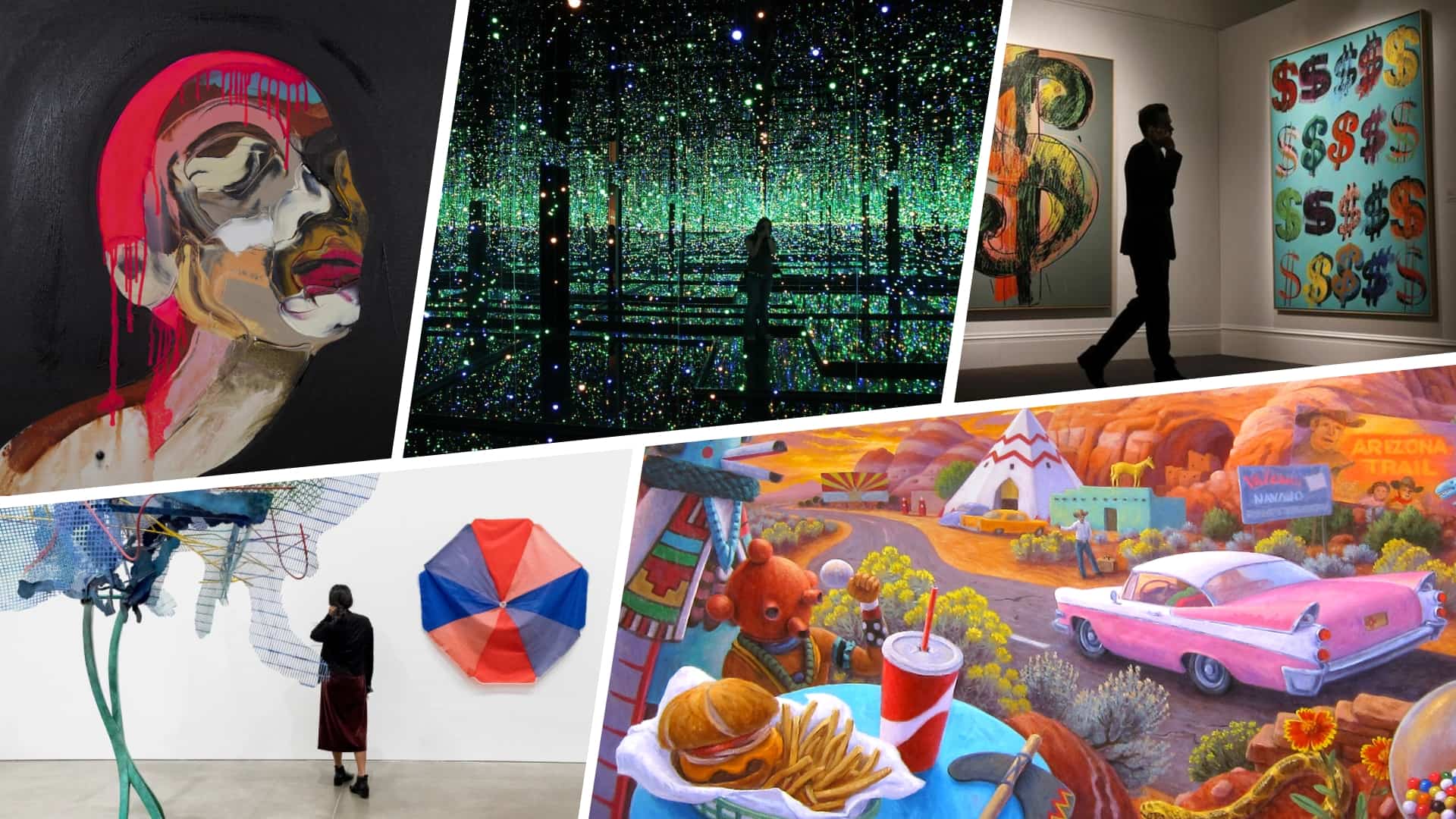
Contemporary art refers to works created by living artists that reflect current ideas, technologies, and social narratives. Unlike classical or modern art movements that followed specific rules, contemporary art embraces freedom, experimentation, and diversity of expression.
Artists today are influenced by global events, digital culture, personal identity, and social transformation. As a result, modern artwork often challenges traditional definitions of beauty and pushes viewers to think critically rather than passively observe.
The Shift From Traditional to Conceptual Art
Over the past few decades, the focus of art has shifted from technical perfection to conceptual depth. While craftsmanship remains important, the idea behind the artwork often holds equal or greater value. Installations, mixed media, and digital works have become mainstream, allowing artists to explore themes such as sustainability, identity, and technology.
This shift has also encouraged a broader audience to engage with art, as meaning is no longer limited to academic interpretation.
The Growing Importance of Curated Art Platforms
As the art world expands, curated platforms play a crucial role in connecting artists with collectors and enthusiasts. These platforms help filter quality work, present it professionally, and offer context that enhances appreciation.
Unlike random social media exposure, curated spaces focus on storytelling, artistic vision, and long-term value. They help emerging artists gain visibility while giving collectors confidence in the authenticity and quality of the work.
A well-organized platform such as www.arieteart.com allows art lovers to explore curated collections that represent diverse artistic voices, styles, and cultural narratives.
How Digital Presence Is Transforming the Art Market
The digital age has redefined how art is discovered, purchased, and appreciated. Online galleries and art platforms now complement physical exhibitions, making artwork accessible to a global audience.
Accessibility and Global Reach
Artists are no longer limited by geography. A painter in one part of the world can now reach collectors thousands of miles away. This accessibility encourages cultural exchange and creates opportunities for emerging artists who may not have access to traditional galleries.
Transparency and Education
Online art platforms often provide detailed background information about the artist, the inspiration behind the work, and the techniques used. This educational aspect empowers buyers to make informed decisions and develop a deeper connection with the art.
The Role of Storytelling in Art Appreciation
Art becomes more meaningful when viewers understand the story behind it. Whether it’s a personal journey, a political statement, or a reflection of societal change, storytelling adds emotional depth to visual expression.
Curated platforms emphasize this narrative aspect by highlighting artist statements, creative processes, and thematic collections. This approach transforms art viewing into an immersive experience rather than a transactional one.
Why Collectors Value Curated Art Experiences
Collectors today look beyond aesthetics. They seek authenticity, originality, and emotional resonance. Curated platforms help guide collectors toward meaningful pieces that align with their values and tastes.
Building Long-Term Value
Art is not only an emotional investment but also a cultural and sometimes financial one. Well-curated collections tend to maintain relevance over time, especially when they feature artists with strong conceptual foundations and consistent creative evolution.
Supporting Independent Artists
By engaging with curated platforms, collectors contribute directly to the sustainability of independent artists. This support helps creatives continue producing meaningful work without relying solely on commercial trends.
The Future of Art in a Digital World
As technology continues to evolve, the art world will likely see even more integration of digital tools such as virtual exhibitions, augmented reality, and blockchain authentication. These innovations aim to enhance transparency, accessibility, and engagement.
However, the essence of art remains unchanged — it is a reflection of human experience. Whether viewed in a gallery, online platform, or personal space, art continues to inspire, challenge, and connect people across cultures.
Conclusion
The modern art landscape is dynamic, inclusive, and deeply interconnected with global culture. Curated platforms play an essential role in shaping how art is discovered and appreciated, bridging the gap between creators and audiences worldwide.
As interest in contemporary art continues to grow, platforms like https://www.arieteart.com/ serve as important spaces where creativity, storytelling, and cultural expression come together. Through thoughtful curation and meaningful presentation, art remains a powerful force that transcends boundaries and speaks to the shared human experience.
Keep an eye for more latest news & updates on Daily!