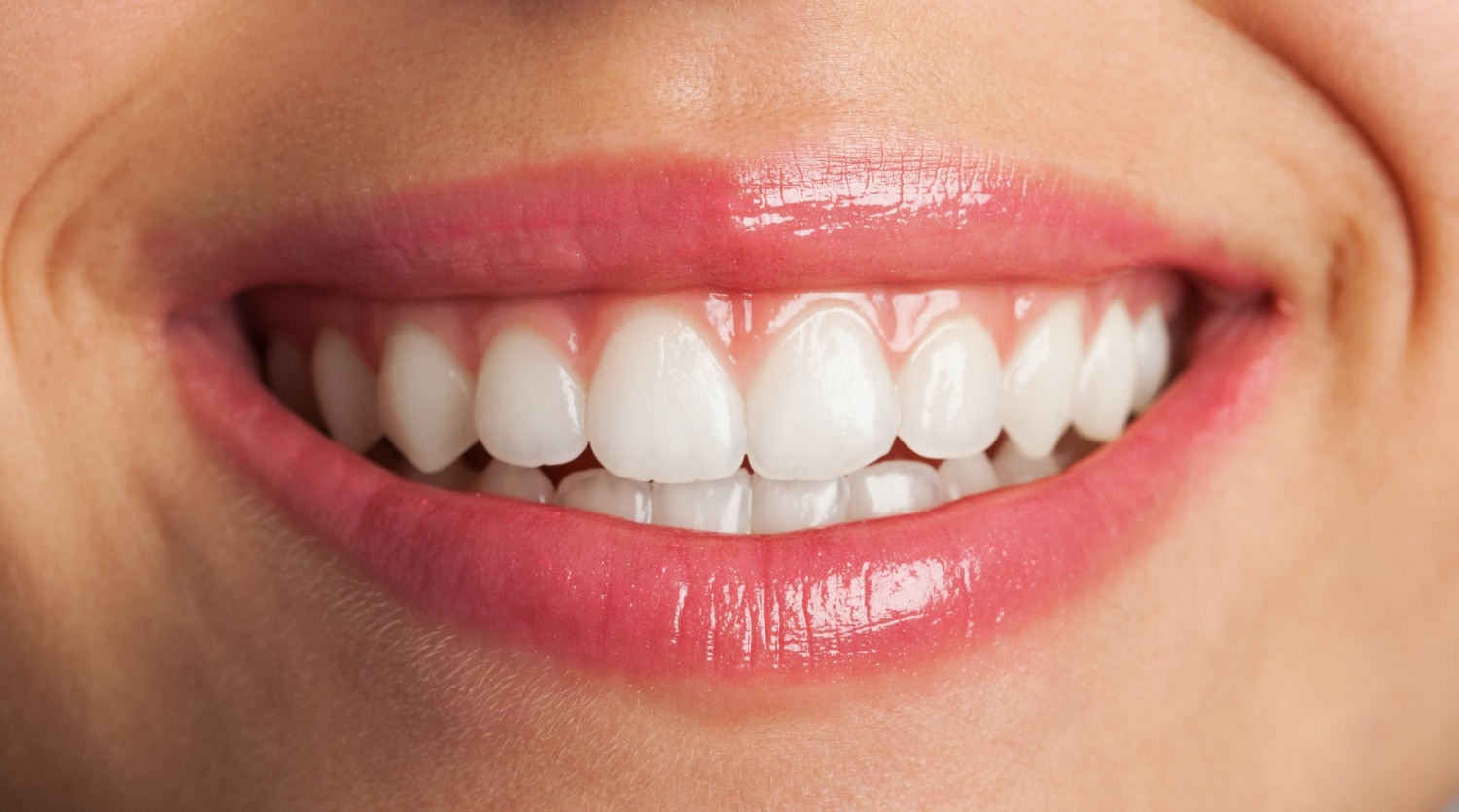
Teeth whitening has become one of the most sought-after cosmetic dental treatments worldwide, and understanding the science behind it can help you make informed decisions about enhancing your smile.
How Teeth Discolouration Occurs
Teeth discolouration can result from a variety of factors, ranging from lifestyle choices to natural aging. The outer layer of the tooth, known as enamel, can absorb pigments from coffee, tea, red wine, or tobacco. Over time, this leads to surface stains that diminish the natural brightness of teeth.
Beneath the enamel lies dentin, a naturally yellow layer that can darken as enamel wears down with age. Even genetic factors can influence the natural shade of teeth, making some individuals more prone to discoloration. Understanding these causes is critical for selecting the most effective whitening method.
The Mechanism of Teeth Whitening
Teeth whitening primarily relies on oxidation reactions to remove stains. Most professional and at-home whitening products use peroxide-based compounds, such as hydrogen peroxide or carbamide peroxide. These agents penetrate the enamel and break down complex molecules that cause discoloration.
Hydrogen peroxide works as a bleaching agent by releasing oxygen molecules that interact with the stain molecules. This chemical reaction effectively deconstructs the pigments into smaller, less visible particles, restoring the natural brightness of teeth. The depth and effectiveness of whitening depend on the concentration of the peroxide and the duration of exposure.
Professional Whitening vs. At-Home Options
Professional dental treatments typically provide faster and more dramatic results compared to over-the-counter products. Dentists use higher concentrations of whitening agents combined with protective measures to safeguard gums and soft tissues. Additionally, professional whitening often includes customized trays or laser-assisted procedures that enhance the efficiency of the treatment.
At-home whitening kits are designed for gradual results and convenience. While these products are generally less potent than professional treatments, consistent use can still improve smile brightness over time. It’s important to follow instructions carefully to avoid overuse, which can lead to tooth sensitivity or enamel damage.
The Benefits of a Whiter Smile
Beyond aesthetic appeal, teeth whitening can have psychological and social benefits. A brighter smile often boosts self-esteem and encourages positive social interactions. Studies show that individuals with whiter teeth are perceived as more attractive, healthier, and even more successful in professional settings.
Furthermore, teeth whitening can complement overall oral hygiene. Regular brushing, flossing, and professional cleanings enhance the longevity of whitening results, ensuring that a radiant smile lasts longer.
Safety and Considerations
While teeth whitening is generally safe, some individuals may experience temporary sensitivity or gum irritation. It is advisable to consult a dental professional before beginning any whitening regimen, especially for those with dental restorations, enamel erosion, or underlying oral health issues.
Modern whitening treatments are formulated to minimize risks while maximizing effectiveness. Following recommended guidelines and pairing treatments with a consistent oral care routine ensures optimal results without compromising dental health.
Conclusion
Teeth whitening is a scientifically supported method for enhancing smile brightness and boosting confidence. By understanding the underlying mechanisms and choosing the appropriate treatment (ie teeth whitening glasgow services), individuals can achieve a healthier, more radiant smile safely and effectively.
A whiter smile is not just about aesthetics; it’s about presenting your best self to the world. With advancements in dental technology and careful attention to oral health, achieving a brighter, more confident smile is now easier than ever.
Keep an eye for more latest news & updates on Daily!