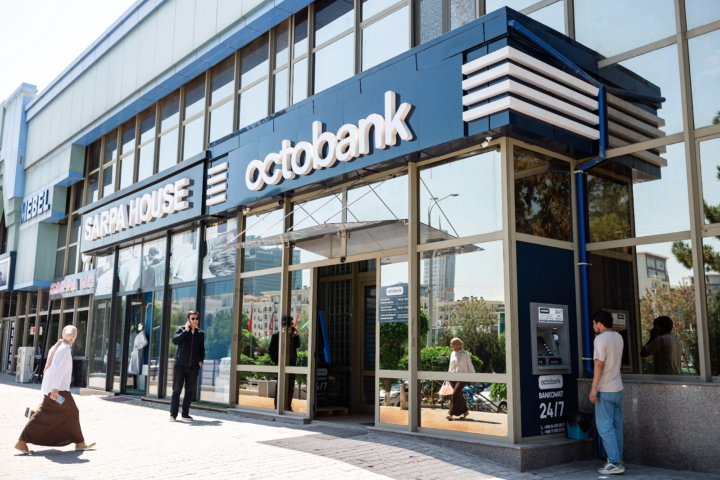
For years, businesses treated offline and online marketing as two separate worlds. Physical stores focused on foot traffic and signage, while digital teams measured clicks, conversions, and engagement. In 2026, that separation no longer exists.
The most successful companies today are those that seamlessly connect physical interactions with digital data. From storefronts and product packaging to invoices and event booths, businesses are transforming offline touchpoints into measurable growth channels. This shift is redefining how companies attract customers, track performance, and scale efficiently.
The offline-to-online movement isn’t about replacing traditional marketing, it’s about making it smarter.
Why Offline Marketing Alone Is No Longer Enough
Offline marketing still plays a critical role in brand visibility and trust. Physical presence builds credibility in ways digital ads often can’t. However, traditional offline methods suffer from one major limitation: lack of data.
Business leaders are increasingly asking:
- How many people interacted with this poster?
- Did this flyer actually drive sales?
- Which physical location performs better?
- What happens after a customer sees our ad offline?
Without data, offline marketing becomes guesswork. In a competitive business environment, guesswork is expensive.
That’s why companies are moving toward hybrid strategies that merge offline exposure with digital tracking.
Turning Physical Touchpoints Into Digital Assets
Modern businesses are rethinking every physical interaction as a potential data point.
Menus, brochures, business cards, product labels, receipts, and storefronts are no longer static materials. They’re entry points into digital experiences, ones that can be measured, optimized, and scaled.
When a customer scans a code, taps a smart link, or interacts with a physical trigger, businesses gain insights into:
- Customer intent
- Location-based engagement
- Campaign performance
- Conversion paths
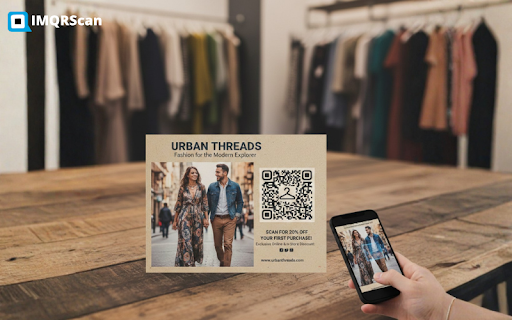
This shift allows organizations to treat offline marketing with the same analytical rigor as online campaigns. As a result, QR Code marketing has become a core strategy for businesses looking to connect physical touchpoints with measurable digital outcomes.
Data-Driven Decisions Start at the Ground Level
One of the biggest advantages of bridging offline and online is decision-making clarity.
Instead of relying on assumptions, businesses can now:
- Compare performance across locations
- Test different offers in physical environments
- Optimize messaging based on real engagement
- Attribute revenue to offline campaigns
This approach empowers leaders to allocate budgets more effectively and double down on strategies that deliver measurable returns.
Tools and platforms that support trackable offline interactions, such as dynamic QR code solutions, are playing a key role in this evolution. Solutions like IMQRScan help businesses connect physical engagement with actionable analytics, without requiring complex technical setups.
Small and Mid-Sized Businesses Are Leading the Shift
While enterprise brands often grab headlines, small and mid-sized businesses are among the fastest adopters of offline-to-online strategies.
Why? Because efficiency matters more when resources are limited.
A small business can now:
- Track walk-in interest without expensive hardware
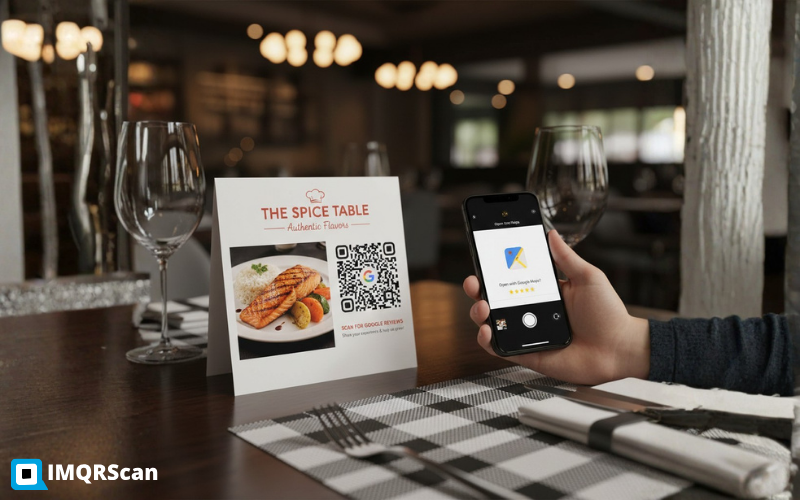
- Collect reviews directly from in-store customers
- Launch localized promotions with measurable results
- Connect physical customers to digital funnels instantly
This level of insight was once reserved for large corporations with dedicated analytics teams. Today, it’s accessible to businesses of all sizes.
For example, many companies are using trackable QR campaigns to measure offline engagement and connect customers directly to digital content, offers, or feedback forms.
Customer Experience Is Becoming the New Battleground
In 2026, customer experience is no longer just a marketing buzzword, it’s a growth strategy.
Customers expect convenience, speed, and relevance, whether they’re interacting online or in person. Businesses that fail to connect these experiences risk losing customers to more agile competitors.
Offline-to-online strategies improve customer experience by:
- Reducing friction between discovery and action
- Offering instant access to relevant information
- Personalizing follow-ups after physical interactions
- Maintaining continuity across channels
When physical and digital experiences feel connected, trust increases, and so does conversion.
From Awareness to Conversion: Closing the Gap
Traditional offline marketing often excels at awareness but struggles with conversion tracking. Digital marketing, on the other hand, excels at measurement but lacks physical presence.
Bridging the two allows businesses to:
- Capture interest at the moment it occurs
- Move customers directly into conversion paths
- Retarget offline visitors with digital campaigns
- Measure full-funnel performance
This is especially powerful for industries like retail, hospitality, real estate, healthcare, and professional services, where physical interaction remains essential.
Platforms such as IMQRScan are increasingly used to enable this transition, allowing businesses to deploy smart, trackable touchpoints without disrupting existing operations.
The Leadership Advantage: Visibility and Control
For business leaders, the offline-to-online shift offers something invaluable: visibility.
Instead of fragmented reports and disconnected metrics, executives gain a unified view of how physical and digital channels work together. This clarity improves:
- Strategic planning
- Performance forecasting
- Budget allocation
- Team alignment
Leadership teams that embrace this approach are better equipped to adapt quickly and stay ahead of market changes.
Privacy, Trust, and Responsible Data Use
As businesses collect more engagement data, trust becomes critical.
Customers are increasingly aware of how their data is used. Companies must prioritize transparency, consent, and ethical data practices to maintain credibility.
Responsible offline-to-online strategies focus on:
- Aggregated insights rather than intrusive tracking
- Clear value exchange for customers
- Secure data handling practices
- Compliance with evolving regulations
When done right, data-driven engagement strengthens relationships instead of eroding trust.
What Businesses Should Do Next
To stay competitive in the evolving landscape, businesses should:
- Audit existing offline touchpoints
- Identify opportunities to add measurable digital connections
- Start small with trackable campaigns
- Analyze engagement data regularly
- Optimize based on real customer behavior
The goal isn’t to digitize everything overnight, it’s to build smarter connections step by step.
For businesses exploring scalable ways to link physical engagement with digital insights, tools that support dynamic tracking and analytics, such as IMQRScan, are becoming an essential part of modern growth strategies.
Final Thoughts: The Future Is Connected
The future of business isn’t purely digital or purely physical, it’s connected.
Companies that successfully merge offline presence with online intelligence gain a powerful advantage: measurable growth driven by real-world interactions. As competition intensifies in 2026 and beyond, the ability to turn every touchpoint into insight will separate leaders from laggards.
Businesses that act now won’t just adapt to the offline-to-online shift, they’ll define it.