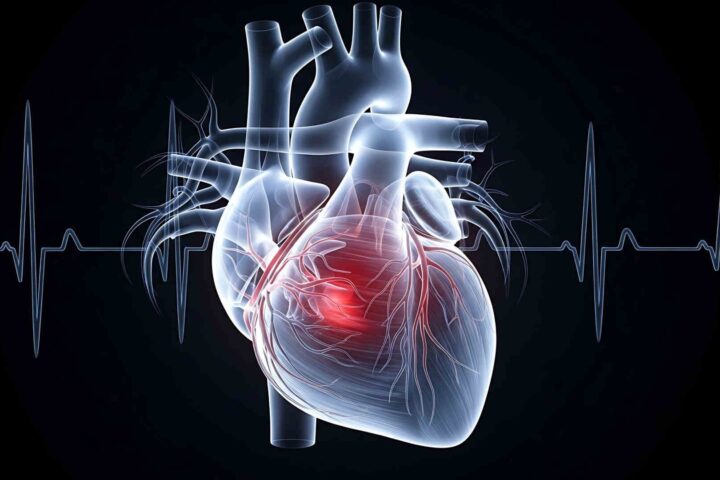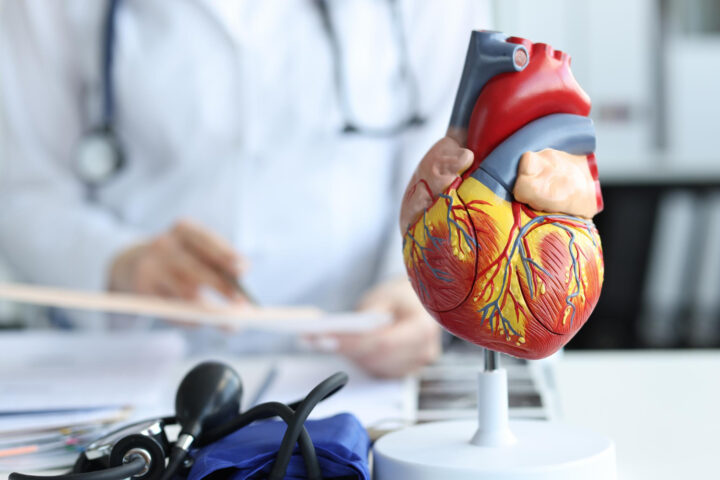
Heart disease remains one of the leading causes of death worldwide. Despite medical advancements, millions of people continue to suffer from cardiovascular conditions such as coronary artery disease, heart failure, arrhythmias, and hypertension. Fortunately, modern medicine has made remarkable progress in diagnosing, treating, and rehabilitating heart-related illnesses. Today, comprehensive cardiology care goes far beyond emergency interventions—it includes prevention, advanced procedures, and long-term rehabilitation strategies designed to restore quality of life.
Hospitals and specialized cardiac centers now provide integrated care models that address every stage of heart disease. From early detection to post-surgical rehabilitation, a patient-centered approach is critical for long-term success.
Understanding Cardiovascular Disease
Cardiovascular disease (CVD) refers to a group of disorders affecting the heart and blood vessels. These conditions can develop gradually over time due to lifestyle factors such as poor diet, lack of exercise, smoking, and chronic stress. Genetic predisposition and underlying medical conditions like diabetes also increase risk.
Common cardiovascular conditions include:
- Coronary artery disease
- Heart valve disorders
- Heart failure
- Arrhythmias
- Congenital heart defects
Early detection is essential. Symptoms such as chest pain, shortness of breath, fatigue, dizziness, and irregular heartbeat should never be ignored. Regular check-ups, blood pressure monitoring, and cholesterol screening can significantly reduce the risk of severe complications.
Modern Advancements in Cardiology
Cardiology has evolved dramatically in the past few decades. Today, physicians use sophisticated diagnostic tools and minimally invasive procedures to treat complex heart conditions with greater precision and lower risk.
Advanced Diagnostic Tools
Modern cardiac diagnostics include:
- Electrocardiograms (ECG)
- Echocardiography
- Stress testing
- Cardiac MRI
- CT angiography
- Holter monitoring
These technologies allow doctors to evaluate heart function, detect blockages, and assess structural abnormalities with high accuracy.
Minimally Invasive Procedures
Minimally invasive cardiology procedures have transformed patient outcomes. Angioplasty and stent placement can open blocked arteries without major surgery. Catheter-based treatments for arrhythmias and valve repairs have reduced recovery times and lowered surgical risks.
In more severe cases, open-heart surgery may still be necessary. However, surgical techniques have become safer and more efficient, thanks to improved anesthesia, imaging guidance, and postoperative care.
The Role of Specialized Cardiac Centers
Choosing the right hospital for heart treatment is critical. Comprehensive cardiac centers offer multidisciplinary teams consisting of cardiologists, cardiac surgeons, nurses, physiotherapists, nutritionists, and rehabilitation specialists.
Facilities such as Liv Hospital are recognized for integrating cutting-edge technology with personalized care. Comprehensive cardiac programs ensure patients receive accurate diagnosis, effective treatment, and continuous follow-up care tailored to their needs.
Specialized centers also emphasize research and innovation, staying at the forefront of medical advancements. This commitment enhances treatment outcomes and provides patients with access to the latest therapeutic options.
The Importance of Early Intervention
Many heart conditions can be effectively managed if detected early. Lifestyle modifications combined with medication often prevent disease progression.
Doctors may prescribe:
- Blood pressure medications
- Cholesterol-lowering drugs
- Blood thinners
- Anti-arrhythmic medications
Alongside medical treatment, lifestyle changes play a crucial role. Healthy eating, regular physical activity, weight management, stress reduction, and smoking cessation are essential components of heart health.
Early intervention not only reduces complications but also improves long-term survival rates.
Cardiac Surgery and Post-Operative Care
For patients requiring surgery, comprehensive preoperative evaluation is essential. Surgeons assess heart function, overall health, and potential risks before proceeding.
Common cardiac surgeries include:
- Coronary artery bypass grafting (CABG)
- Heart valve repair or replacement
- Pacemaker or defibrillator implantation
- Aortic aneurysm repair
After surgery, structured monitoring in intensive care units ensures patient stability. However, recovery does not end when the patient leaves the hospital. This is where rehabilitation becomes crucial.
CARDIOLOGY Treatment and Rehabilitation: A Holistic Approach
Effective CARDIOLOGY Treatment and Rehabilitation goes beyond surgical or medical interventions. It focuses on restoring physical strength, emotional well-being, and overall quality of life.
Cardiac rehabilitation programs typically include:
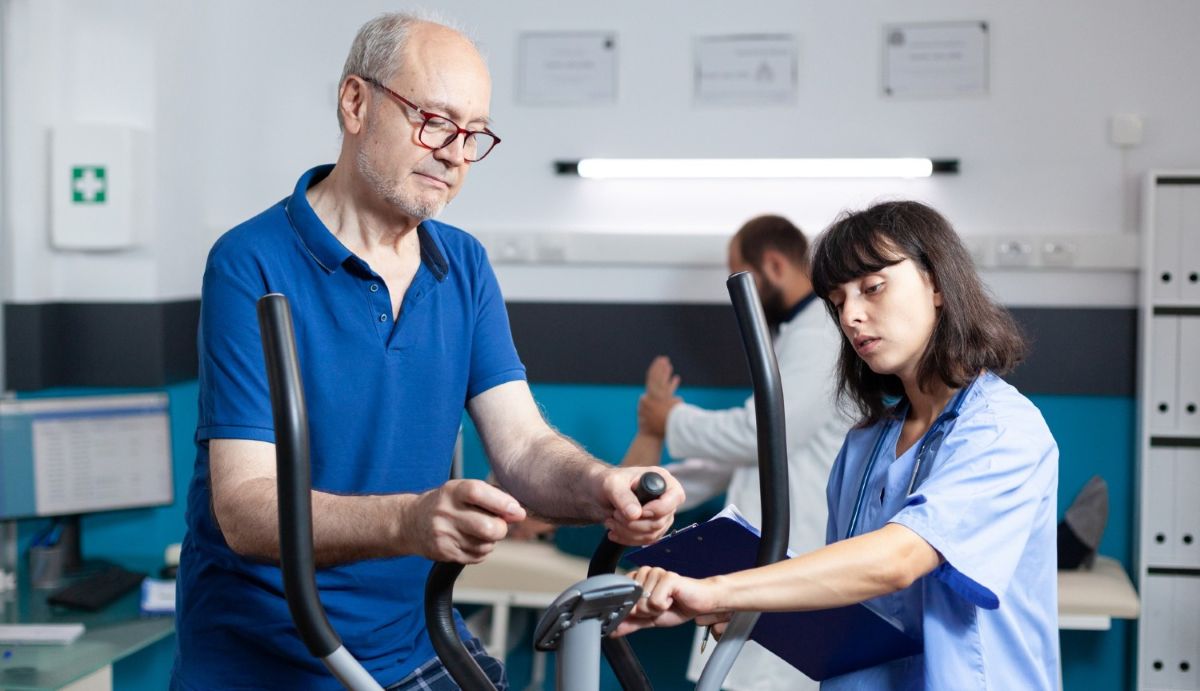
1. Supervised Exercise Training
Exercise programs are carefully designed to improve cardiovascular endurance without overexertion. Patients gradually rebuild strength under professional supervision.
2. Nutritional Counseling
Dietitians guide patients toward heart-healthy eating habits. Balanced diets rich in fruits, vegetables, whole grains, lean proteins, and healthy fats reduce cholesterol and support heart recovery.
3. Risk Factor Management
Rehabilitation specialists address modifiable risk factors such as obesity, smoking, and high blood pressure. Education empowers patients to take control of their health.
4. Emotional and Psychological Support
Heart disease often triggers anxiety and depression. Counseling services and support groups help patients cope with emotional challenges during recovery.
By combining medical care with rehabilitation, patients experience improved physical function, reduced recurrence risk, and enhanced confidence in daily activities.
Technology and Innovation in Cardiac Care
Modern hospitals increasingly rely on digital health solutions. Remote monitoring devices allow doctors to track heart rhythms and vital signs from a distance. Telemedicine consultations ensure continuous care, especially for patients living far from specialized centers.
Artificial intelligence and data analytics also contribute to early detection and predictive modeling. These innovations allow healthcare providers to personalize treatment plans more effectively.
Additionally, robotic-assisted surgery offers enhanced precision, reducing trauma and shortening hospital stays.
Preventive Cardiology: The Key to Longevity
While treatment is essential, prevention remains the most powerful strategy against heart disease. Preventive cardiology emphasizes identifying high-risk individuals and implementing proactive measures before symptoms develop.
Preventive strategies include:
- Regular cardiovascular screenings
- Cholesterol and blood pressure control
- Diabetes management
- Weight reduction programs
- Smoking cessation support
Community education campaigns and corporate wellness initiatives further promote heart health awareness.
By adopting preventive measures early, individuals significantly reduce their likelihood of requiring invasive treatments later in life.
Personalized Care and Patient Empowerment
Every patient’s heart condition is unique. Personalized treatment plans consider age, medical history, lifestyle, and individual preferences.
Patient education is equally important. When individuals understand their condition and treatment plan, they are more likely to adhere to medications and lifestyle changes.
Open communication between healthcare providers and patients builds trust and ensures better outcomes.
Hospitals that prioritize patient-centered care create environments where individuals feel supported throughout their medical journey.
Life After Cardiac Treatment
Recovery from heart disease is not merely about survival—it is about regaining vitality. With proper rehabilitation, many patients return to work, hobbies, and physical activities they once enjoyed.
Regular follow-up appointments, medication adherence, and lifestyle maintenance are essential for sustaining improvements. Family involvement and social support further enhance recovery success.
The goal of modern cardiology is not only to treat illness but to restore hope, energy, and purpose.
Final Thoughts
Heart disease can be life-altering, but advancements in medical science have transformed outcomes dramatically. From early detection and minimally invasive procedures to structured rehabilitation programs, comprehensive cardiac care provides patients with renewed opportunities for a healthier future.
Choosing a reputable institution like Liv Hospital ensures access to experienced specialists and advanced treatment technologies. With a strong emphasis on CARDIOLOGY Treatment and Rehabilitation, patients receive holistic care that addresses both physical and emotional recovery.
Ultimately, heart health is about more than medical procedures—it is about reclaiming your life. With proper treatment, supportive rehabilitation, and preventive measures, individuals can confidently move forward, ready to live and feel stronger than ever before.
Stay in touch to get more updates & news on Daily!