Introduction
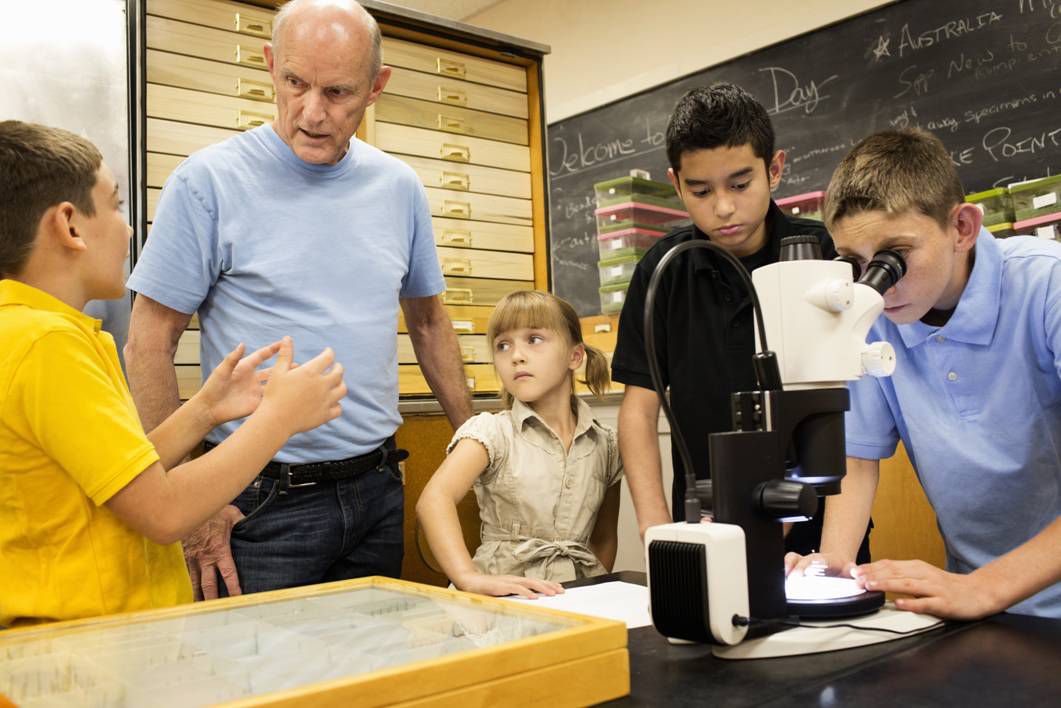
In an era dominated by standardized testing and educational technology, we sometimes overlook the most fundamental element of effective learning: the relationship between teacher and student. Research consistently confirms what great educators have always known intuitively – students learn best when they feel connected to, respected by, and safe with their teachers.
“You can have the most brilliant curriculum and cutting-edge technology,” notes veteran elementary teacher Robert Johnson, “but if students don’t trust you or feel valued in your classroom, very little meaningful learning will happen.”
This truth has become even more evident following pandemic disruptions, when many students returned to classrooms carrying trauma, anxiety, and significant learning gaps. The most successful recovery efforts haven’t focused primarily on accelerated academics but on rebuilding the human connections that make learning possible.
Teachers who excel at relationship-building employ numerous strategies, often unconsciously. They greet students by name at the classroom door, notice when someone seems off-kilter, celebrate small victories, and respond to mistakes with guidance rather than judgment. They share appropriate personal anecdotes, display genuine curiosity about students’ interests, and create classroom traditions that foster belonging.
“I keep a birthday calendar and make sure every student gets recognized on their special day,” shares middle school math teacher Sophia Garcia. “It’s a small thing, but it communicates that I see them as whole people, not just math students. That foundation makes it much easier to push them academically because they know I care about them beyond their test scores.”
The impact of strong teacher-student relationships extends far beyond classroom management. Students who feel connected to their teachers demonstrate greater academic engagement, higher achievement, improved attendance, fewer behavioral problems, and better social-emotional skills. These effects are particularly pronounced for students from marginalized groups or those facing adverse circumstances outside school.
Consider the case of Marcus, a fifth-grader who had cycled through three foster homes in two years. Academic achievement understandably wasn’t his priority amid such instability. His breakthrough came when his teacher noticed his interest in drawing and provided him with a sketchbook for “brain breaks” during challenging lessons. This small gesture communicated respect for Marcus’s coping strategy rather than punishment for his distraction, gradually building trust that allowed for academic progress.
Technology can support relationship-building when used thoughtfully. An AI Homework Helper might provide after-hours support when teachers aren’t available, but the data it generates can help teachers understand exactly where students struggle, enabling more targeted in-person support. Similarly, digital communication tools can facilitate quick check-ins and feedback that strengthen connections between class meetings.
Building effective relationships requires understanding each student’s unique background, interests, and needs. This is no small task in classrooms with thirty or more diverse learners. Successful teachers employ various strategies to gather this information, from interest surveys and family questionnaires to regular one-on-one conferences and careful observation during less structured activities.
“I learn more about my students during the first five minutes of lunch bunch than I do in a week of classroom instruction,” observes high school English teacher James Wilson. “When they’re relaxed and talking about things they care about, I discover connections I can use to make literature relevant to their lives.”
Cultural responsiveness forms an essential component of relationship-building in diverse classrooms. Teachers who take time to understand students’ cultural backgrounds – including communication styles, family structures, and community values – can avoid misinterpretations that damage relationships. Something as simple as understanding different cultural norms around eye contact can prevent a teacher from perceiving disrespect where none exists.
While relationships matter for all students, they prove particularly crucial for those facing challenges. A landmark study on resilience found that the single most common factor among children who thrived despite adverse circumstances was a stable, caring relationship with at least one adult. Teachers often become that pivotal person, sometimes without even realizing their profound impact.
Of course, relationship-building requires time – something teachers often lack amid packed curricula and accountability pressures. Schools that prioritize human connections provide structures that support relationship development, such as advisory periods, looping (keeping teachers with the same students for multiple years), or reduced teaching loads that allow for more individual interaction.
Teacher preparation programs increasingly recognize the centrality of relationships to effective teaching. Beyond content knowledge and pedagogical strategies, new teachers need training in cultural competence, trauma-informed practices, and communication skills that foster connection across difference.
As education continues evolving, the importance of human relationships remains constant. While artificial intelligence might eventually replicate certain aspects of instruction, the motivational power of a teacher who believes in a student’s potential cannot be algorithmed. The best educational approaches will always be those that leverage technology to enhance rather than replace the human connections at the heart of learning.
Conclusion
When students look back on their education years later, they rarely remember specific lessons or assignments. Instead, they recall how teachers made them feel – seen, challenged, capable, worthy. In this fundamental truth lies both the art and science of great teaching.