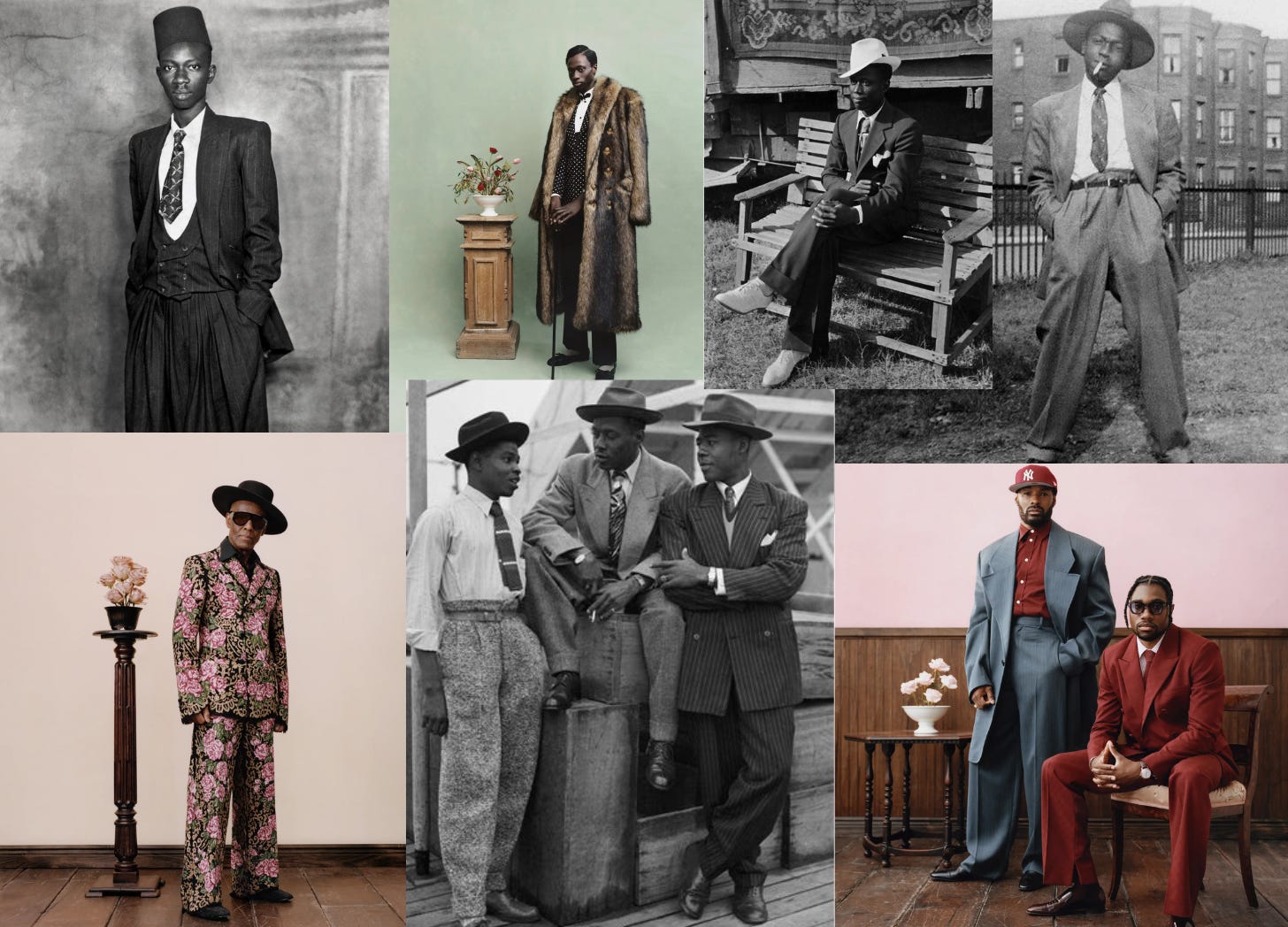
Fashion is not merely a reflection of the present—it is a conversation between generations. Each era interprets masculinity, professionalism, and lifestyle differently, and clothing becomes the medium through which these interpretations are expressed. In this evolution, European fashion houses have played a central role, creating garments that preserve tradition while adapting to shifting generational codes. Italian and German brands, in particular, influence how men across the world define style, authority, and responsibility today.
| Generation | Fashion Focus | Representative Brand |
| Baby Boomers | Heritage tailoring | Kiton |
| Generation X | Transitional boldness | Isaia |
| Millennials | Innovation and mobility | Premiata |
| Gen Z | Global minimalism | Hugo Boss |
| Cross-generational | Responsibility in style | Brunello Cucinelli |
By tracing how these brands interact with generational identities, we see how fashion evolves not by rejecting the past but by reinterpreting it for new contexts.
Kiton Clothing and Generational Precision
For Baby Boomers and older generations, refinement and structure were non-negotiable elements of masculinity. Kiton clothing reflects this worldview with garments built on precise tailoring traditions from Naples. Each piece communicates a sense of discipline, suggesting that elegance is achieved through structure, control, and craftsmanship.
Kiton remains relevant to younger generations as well, but its strongest cultural resonance lies with those who grew up valuing authority and refinement. The brand’s reliance on artisanal methods makes it a cultural archive of post-war Italian craftsmanship. Wearing Kiton is not just about luxury—it is about aligning with a generational ideal of masculinity rooted in discipline.
Kiton Suits and Authority Across Eras
Suits have long served as markers of male authority, but their interpretation changes with each generation. Kiton suits embody Neapolitan tailoring that balances formality with comfort. Unlike the stiff British or American models, they allow for movement while still projecting authority.
Generational interpretations of Kiton suits can be summarized as:
- Boomers: Suits as symbols of authority and social standing.
- Gen X: Suits as tools of professionalism while experimenting with relaxed codes.
- Millennials and Gen Z: Suits as versatile garments that can adapt to casual and hybrid workplaces.
This adaptability ensures that Kiton suits remain relevant across generations, representing authority not as rigidity but as flexibility.
Kiton Jeans and Casual Heritage
The evolution of jeans demonstrates how a garment can shift from rebellion to respectability. Kiton jeans show how a casual staple is redefined through artisanal finishing, signaling refinement without losing accessibility. Older generations may have seen denim as informal, but younger ones embrace it as central to everyday identity.
Cultural meanings of Kiton jeans across generations include:
- Boomers: A casual garment for weekends, not professional use.
- Gen X: A rebellion against traditional formality.
- Millennials: A versatile staple that can transition between roles.
- Gen Z: A sustainable and stylish piece that can be both casual and elevated.
Kiton jeans prove that heritage techniques can reframe denim for all generations, connecting casualwear with refinement.
Isaia and Generational Boldness
Isaia represents the shift in Generation X, where boldness and experimentation began to enter mainstream menswear. Its use of bright colors, patterned linings, and the symbolic red coral emblem embodies a break from strict codes. For Gen X professionals, who navigated transitional decades of the late 20th century, Isaia offered an outlet for individuality within the suit’s boundaries.
Generational boldness in Isaia’s approach can be identified through:
- Color as statement: Gen X and Millennials embraced brighter palettes in professional settings.
- Cultural symbolism: The coral emblem connects wearers to Mediterranean identity, transcending local roots.
- Playfulness: Younger generations use Isaia to redefine masculinity as expressive rather than restrained.
Isaia shows how tradition can bend without breaking, appealing across generations as a house that celebrates both heritage and individuality.
Premiata and Generational Mobility
For Millennials, mobility is central to identity—professional, cultural, and physical. Premiata embodies this through footwear that merges artisanal craftsmanship with sneaker culture. Sneakers, once symbols of rebellion, became generational icons of versatility, comfort, and global identity.
Premiata’s sneakers represent generational mobility in three ways:
- Cultural hybridity: Fusing traditional Italian shoemaking with global streetwear aesthetics.
- Urban adaptability: Designed for navigating modern cities, from Milan to New York to Tokyo.
- Generational values: Emphasizing practicality and innovation over rigid formality.
Premiata speaks to Millennials and Gen Z, who see fashion as a tool for movement rather than restriction. Sneakers have become the footwear of generational globalization.
Hugo Boss and Minimalist Globalism
For Gen Z, minimalism and global recognition carry significant weight. Hugo Boss aligns with this by offering sharp, minimalist tailoring that is consistent worldwide. Its industrial approach mirrors the way younger generations value efficiency, accessibility, and global connectivity.
Generational interpretations of Hugo Boss include:
- Gen X: Boss suits as tools of international professionalism.
- Millennials: Clean aesthetics that match global workplace norms.
- Gen Z: Recognition and consistency across borders, aligning with their digital-native global culture.
Hugo Boss proves that industrial precision can itself be a cultural heritage, reflecting values of modernist minimalism that resonate across continents.
Brunello Cucinelli and Cross-Generational Responsibility
While different generations interpret masculinity differently, there is growing consensus about responsibility and ethics in fashion. Brunello Cucinelli represents this shared value by combining luxurious casualwear with humanistic capitalism. Based in Solomeo, the brand invests in community and cultural preservation, demonstrating that style can align with responsibility.
Brunello Cucinelli’s appeal across generations can be broken down into:
- Boomers: Appreciation for artisanal quality and traditional craftsmanship.
- Gen X: Respect for ethical models in a world of increasing globalization.
- Millennials: Alignment with sustainability and conscious consumerism.
- Gen Z: Resonance with transparency and community-driven values.
This makes Cucinelli a brand that bridges generations, embodying fashion as responsibility as well as style.
Conclusion
The evolution of menswear reflects generational shifts in how masculinity, authority, and responsibility are defined. Kiton represents precision and refinement in clothing, suits, and jeans, speaking to older ideals while adapting for younger ones. Isaia embodies generational boldness, Premiata represents mobility, Hugo Boss reflects global minimalism, and Brunello Cucinelli integrates responsibility.
Together, these brands illustrate that fashion is not just about garments but about the dialogue between generations. It carries forward traditions, adapts them to new values, and redefines what it means to be masculine across time. In this ongoing evolution, European houses remind us that elegance is never static—it is built anew with each generation, weaving culture, identity, and responsibility into fabric that transcends eras.