Packaging has always had a primary directive: protect the product. For decades, this meant shielding contents from physical damage, moisture, and contamination. But as global supply chains grow more complex, the definition of “protection” has expanded. Today’s packaging professionals face a new, sophisticated threat: counterfeiting.
The rise of fake goods—ranging from pharmaceuticals to luxury electronics—has forced the packaging industry to evolve. It is no longer enough to design a sturdy box; designers must now engineer a secure fortress. This shift has rippled all the way back to the classroom. Modern packaging courses are increasingly integrating secure printing methods into their curriculums, ensuring the next generation of engineers and designers are equipped to safeguard brands and consumers alike.
Universities and technical colleges are moving beyond basic structural design to explore the intersection of material science, graphic arts, and digital technology. By teaching students the intricacies of anti-counterfeit measures, these programs are producing graduates who understand that a package’s integrity is just as valuable as its aesthetics.
The Curriculum of Authenticity
The fight against counterfeiting begins with understanding the enemy. In modern packaging courses, students first learn why secure printing is necessary. They study the economic impact of illicit trade and the potential dangers posed to consumer health, particularly in the food and medical sectors. This context is crucial; it transforms security features from mere design add-ons into essential components of the manufacturing process.
Once the “why” is established, instructors move to the “how.” This involves a deep dive into the layered approach to security. Students learn that no single feature is unbeatable, but a combination of overt (visible) and covert (hidden) features can make replication prohibitively difficult and expensive for fraudsters.
Overt Features: The First Line of Defense
Overt features are designed for immediate verification by the consumer. In the classroom, this often starts with the study of holography and color-shifting inks. Students learn how these complex optical devices are manufactured and applied. They examine how light interacts with specific substrates to create visual effects that are easy to see but difficult to copy using standard printing equipment.
Another practical application students explore is the use of interactive elements. For instance, many brands now utilize unique alphanumerical codes for product verification. To prevent these codes from being harvested before purchase, designers often conceal them. This is where students might experiment with scratch off ink, applying it over the code to ensure it remains secure until the product reaches the end user. This simple yet effective barrier engages the consumer in the authentication process, adding a tangible layer of trust.
Covert Features: Hidden in Plain Sight
While overt features reassure the customer, covert features assist supply chain inspectors and retailers. Packaging courses introduce students to the world of the invisible. This includes micro-text—printing so small it looks like a solid line to the naked eye but is readable under magnification—and UV-fluorescent inks that only appear under specific lighting conditions.
Advanced courses may even touch upon forensic markers or “taggants.” These are molecular or chemical signatures added to the ink or packaging material itself, which can only be detected with specialized laboratory equipment. Understanding these technologies requires students to bridge the gap between graphic design and chemistry, highlighting the multidisciplinary nature of modern packaging education.
Bridging the Physical and Digital Worlds
Perhaps the most significant evolution in packaging education is the integration of digital security. Secure printing is no longer strictly analog. Students are now learning how to print functional electronics and serialized data that connect a physical package to a digital database.
QR codes and Data Matrix codes are the standard examples here. However, simply printing a code isn’t enough; students must learn how to print them with the high fidelity required for automated scanners to track a product through every stage of the supply chain. This is often referred to as “track and trace” technology.
By integrating these digital gateways, students learn to create “smart packaging.” A consumer scans a code and is taken to a secure website that verifies the product’s authenticity. This digital handshake relies entirely on the quality and security of the initial print, reinforcing the importance of precision in the manufacturing process.
The Laboratory Experience
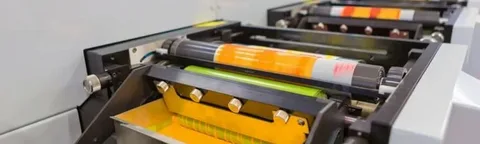
Theory is valuable, but packaging is inherently a hands-on discipline. Top-tier programs provide laboratory environments where students can experiment with these technologies. They might run press trials to see how scratch off ink behaves on different substrates, or test the durability of a hologram under stress.
These labs also simulate real-world constraints. Security features add cost. Therefore, a major part of the learning process involves cost-benefit analysis. Students are challenged to design secure packaging solutions that are effective but also economically viable for mass production. They must weigh the cost of a color-shifting ink against the potential loss revenue from counterfeiting, learning to make the strategic decisions they will face in their professional careers.
Sustainability vs. Security
A modern packaging course would be incomplete without addressing sustainability. Security features often involve laminates, foils, or metallic inks that can complicate the recycling process.
This presents a unique design challenge for students: How do you make a package secure and sustainable? This friction point is driving innovation in the classroom. Students are tasked with finding eco-friendly security inks or developing structural designs that destroy the package upon opening (tamper-evidence) without relying on non-recyclable materials. It forces them to think critically about the entire lifecycle of the package, not just its shelf presence.
The Future of Packaging Professionals
As counterfeiters become more sophisticated, the packaging industry needs professionals who are technically adept and strategically minded. The integration of secure printing methods into academic coursework is not just a trend; it is an industry requirement.
By mastering these technologies—from holographic foils to digital serialization—students are graduating with a toolkit that allows them to protect brand integrity in a global marketplace. They are entering the workforce not just as designers of boxes and bottles, but as architects of trust.