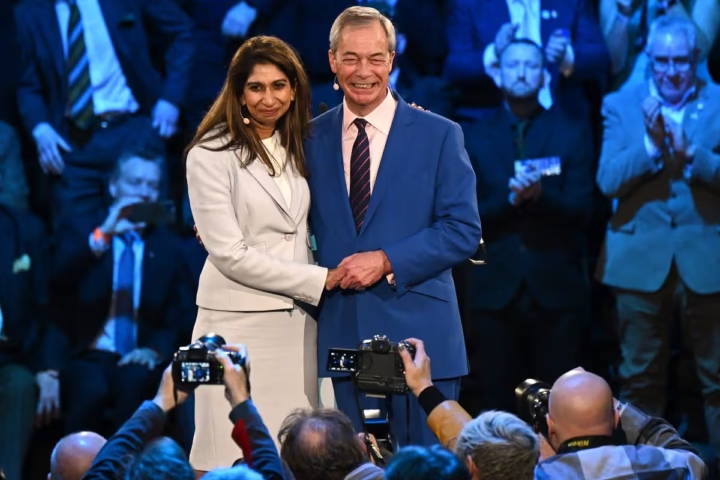
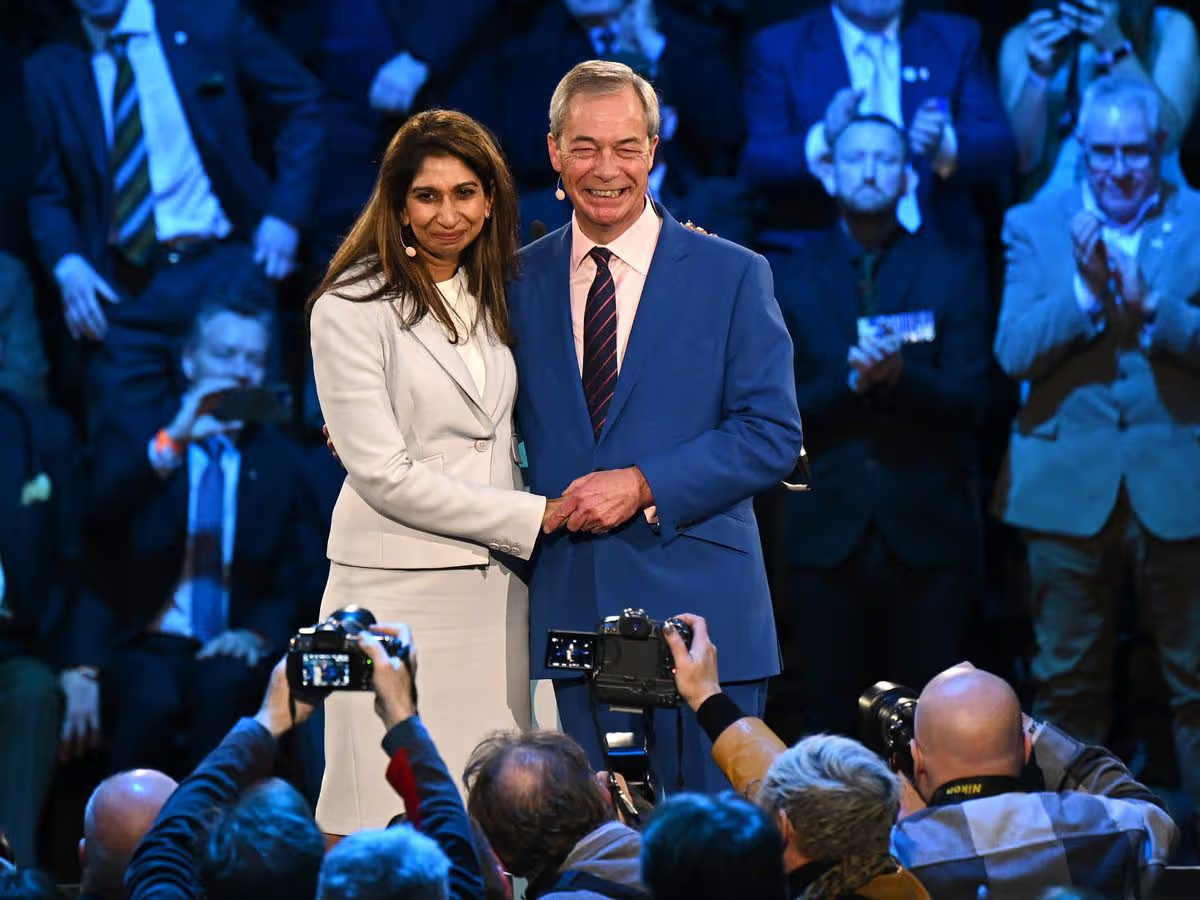
LONDON | January 27, 2026 Former Home Secretary Suella Braverman has formally defected to Reform UK, delivering a significant shock to Britain’s political landscape and intensifying divisions on the right of UK politics.
Braverman, one of the most outspoken figures in recent Conservative governments, confirmed her move on Tuesday, citing what she described as a loss of direction within mainstream parties and a growing disconnect between political elites and voters.
The defection is being seen as a symbolic moment for Reform UK, a party that has sought to capitalise on public frustration over immigration, governance, and political trust. Party officials hailed Braverman’s arrival as a turning point that would help broaden their appeal beyond protest politics.
“This is about standing up for voters who feel ignored,” Braverman said in a statement. “Reform UK represents a clear break from politics as usual.”
Her move has triggered immediate fallout within Westminster. Conservative figures expressed anger and disappointment, accusing Braverman of abandoning party unity at a time of rebuilding. Others suggested the defection reflects deeper ideological fractures that have plagued the party since recent election losses.
Political analysts say Braverman’s switch could embolden other high-profile defections, particularly among MPs who believe traditional parties are struggling to articulate firm positions on migration and national identity.
Labour figures were quick to criticise the move, portraying it as evidence of instability on the right. However, some privately acknowledged that Reform UK’s growing visibility could reshape future electoral dynamics, particularly in marginal constituencies.
Reform UK has gained traction by positioning itself as an outsider force, often focusing on border control, government efficiency, and scepticism toward large institutions. Braverman’s profile brings increased media attention and organisational experience to the party.
Voters’ reactions remain mixed. Some supporters have welcomed the defection as a sign of authenticity, while critics argue it risks further fragmenting the political landscape and complicating governance.
The timing is significant, coming ahead of local elections and as parties begin positioning themselves for future national contests. Polling suggests voter volatility remains high, with trust in institutions still fragile.
Braverman’s defection highlights broader questions about political identity, party loyalty, and the future shape of UK conservatism. Whether her move translates into electoral gains for Reform UK remains uncertain, but it has undeniably shifted the conversation.