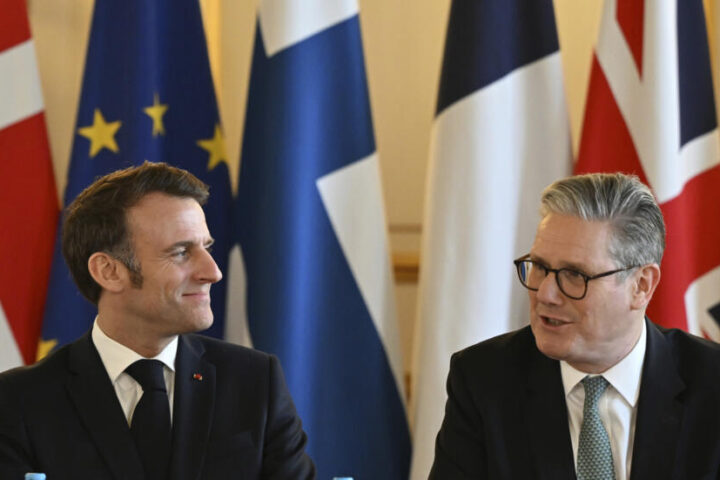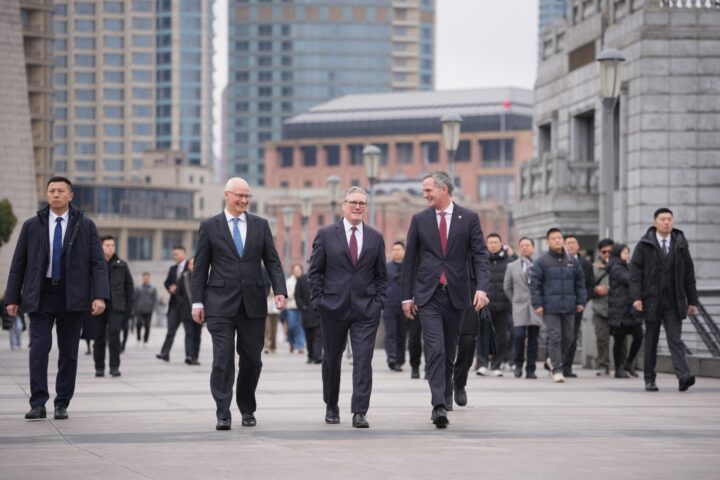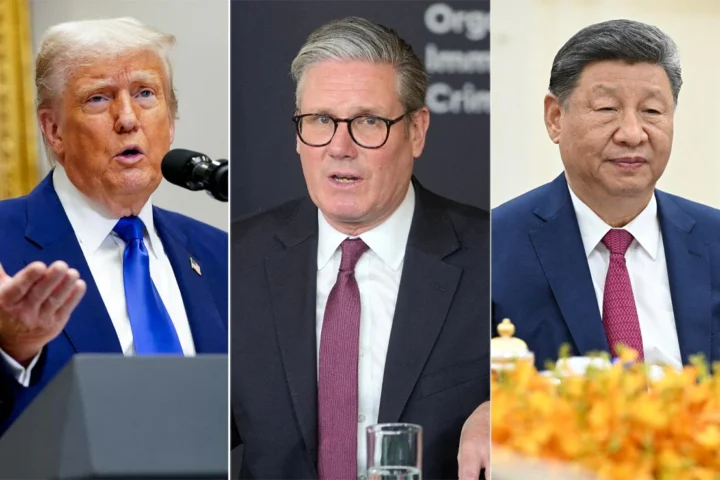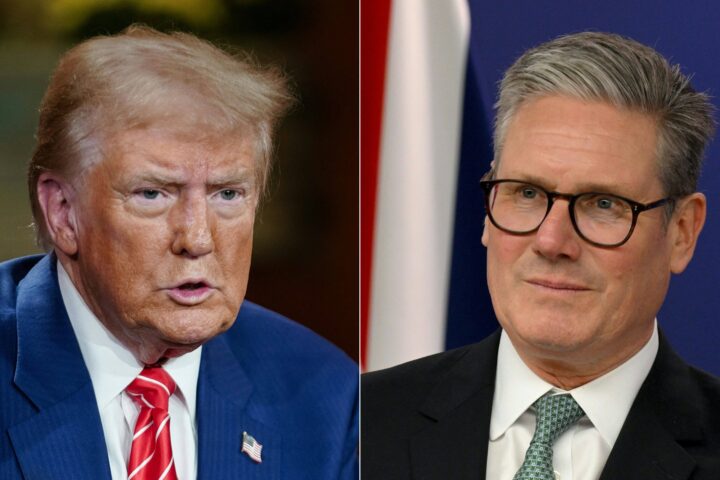
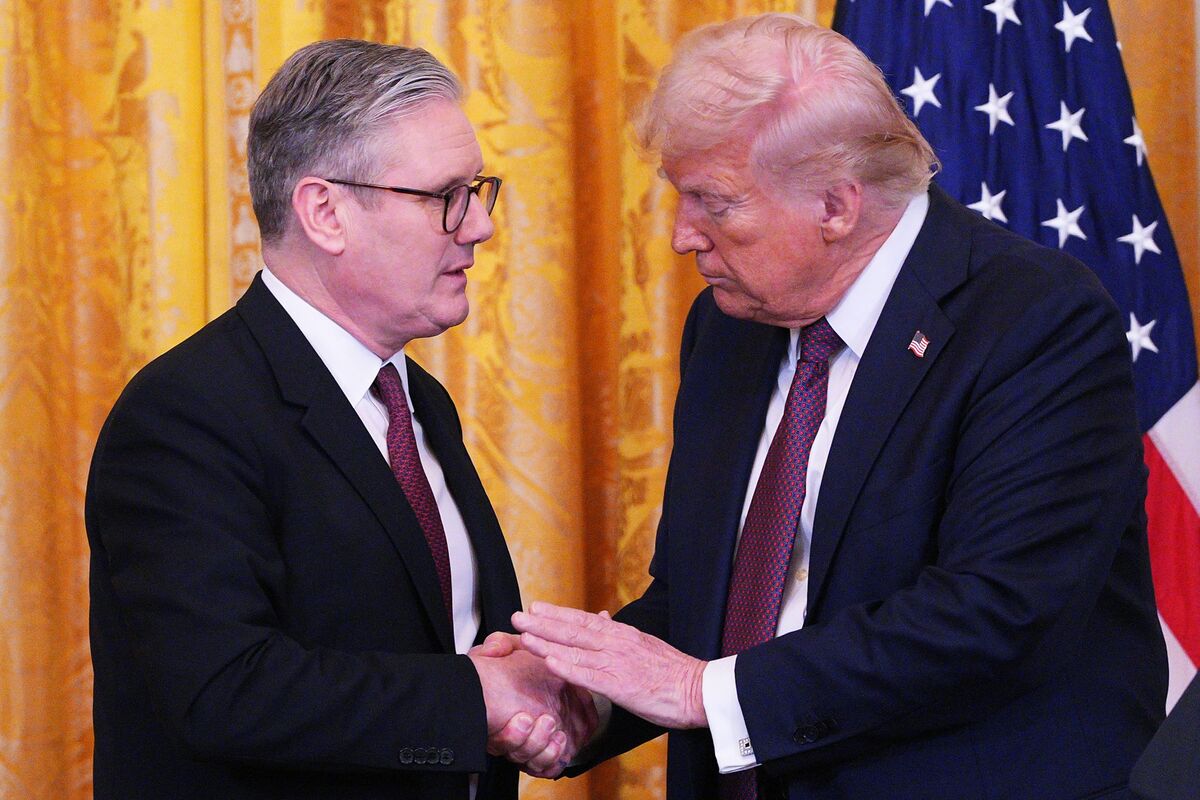
London | January 30, 2026 Prime Minister Keir Starmer on Friday defended his government’s decision to deepen diplomatic engagement with China, rejecting criticism from former U.S. President Donald Trump, who described Britain’s outreach to Beijing as “very dangerous.”
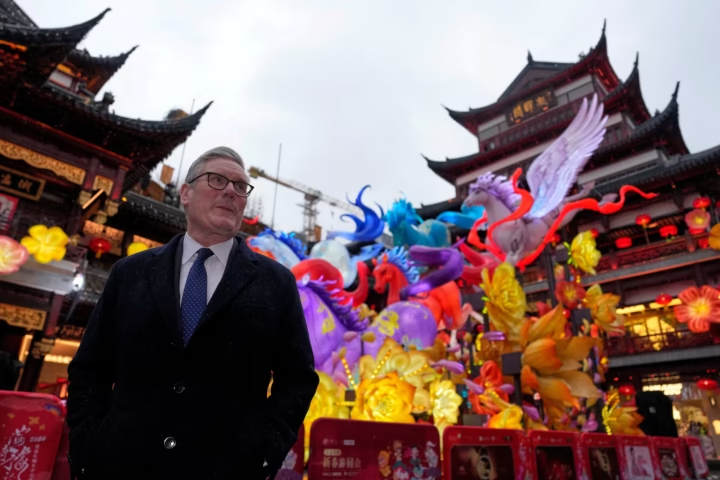
Speaking to reporters in London after returning from a high-level visit to Beijing, Starmer said the United Kingdom could not afford to isolate itself from the world’s second-largest economy, arguing that dialogue was essential to protect British interests in an increasingly fragmented global order.
“The UK will always act in its own national interest,” Starmer said. “That means standing firm on our values while maintaining open channels with global powers, including China.”
Trump’s remarks, made during a campaign appearance in the United States, triggered a wave of political reaction in Westminster, with opposition figures accusing the government of drifting too close to Beijing at a time of heightened geopolitical tension.
Senior Labour officials pushed back strongly, saying Britain’s approach was pragmatic rather than ideological. Government sources said Starmer raised issues including trade imbalances, cybersecurity concerns, and human rights during closed-door meetings with Chinese leaders.
Foreign Secretary David Lammy echoed the prime minister’s stance, saying Britain’s China policy would be “clear-eyed, balanced, and tough where necessary.”
“Engagement does not mean endorsement,” Lammy told Parliament. “We can compete, cooperate, and challenge simultaneously.”
Conservative figures were divided. Some warned that closer ties could expose British infrastructure and technology sectors to security risks, while others argued that disengagement would damage exports and investment.
Business groups largely welcomed the government’s approach, pointing to the importance of Chinese demand for British services, education, and high-value manufacturing. Several executives said renewed diplomatic stability could encourage delayed investment decisions.
Public opinion remains mixed. Recent polling suggests voters are cautious about China but support dialogue if it delivers economic benefits without compromising national security.
Analysts say the controversy reflects a broader realignment in global politics, where traditional alliances are under strain and mid-sized powers like the UK are seeking flexibility.
As Starmer prepares to brief Parliament next week, the debate over Britain’s China strategy is expected to intensify, testing the government’s ability to balance economic ambition with geopolitical caution.