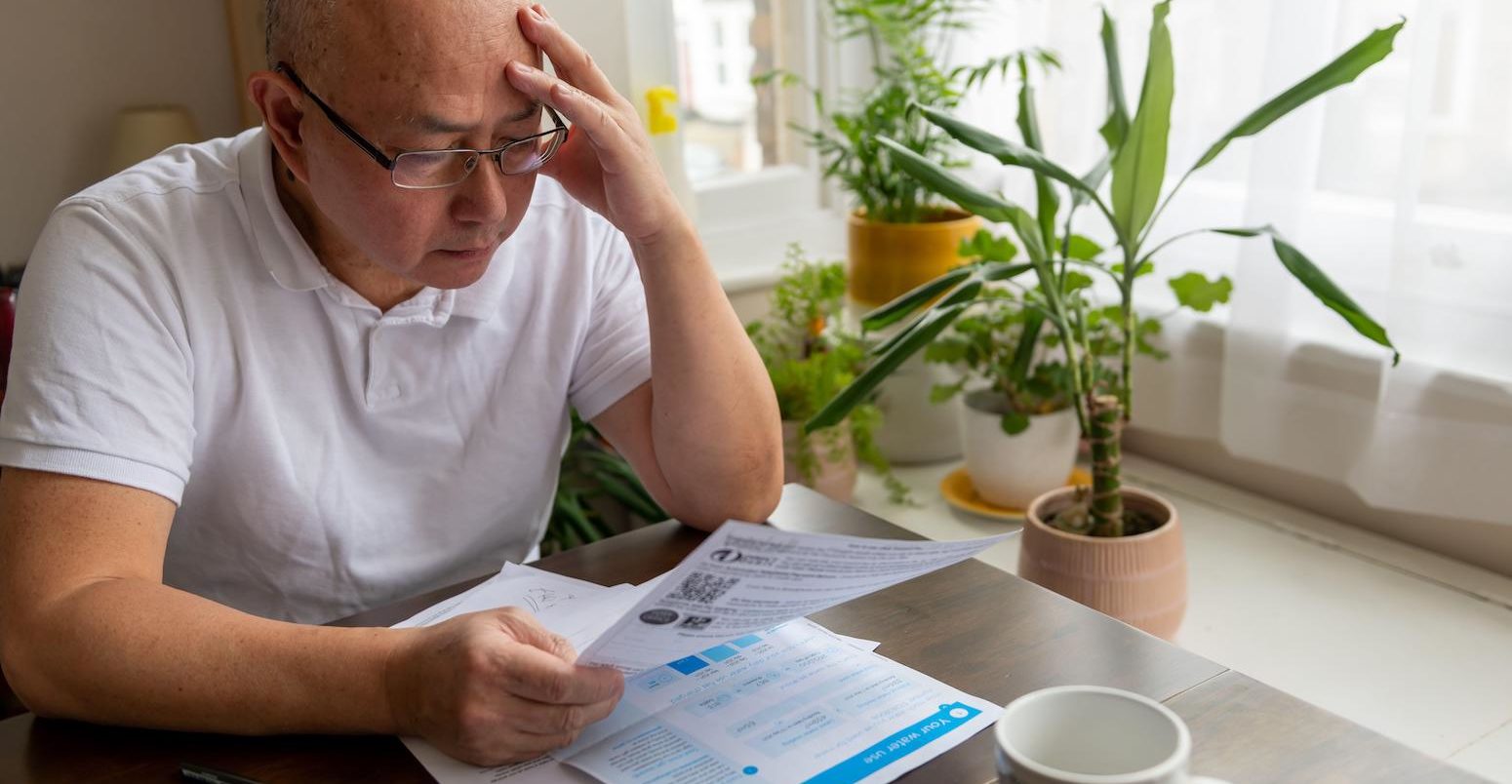
Millions of households across Britain are being warned to brace for higher energy bills as the latest Ofgem price cap takes effect from 1 October. The regulator has confirmed that average annual dual fuel bills will rise by around £100, piling further pressure on family budgets already stretched by the cost of living crisis.
Industry experts say that households cannot afford to sit back and hope prices will fall. Instead, they are being urged to act now, with the most effective step being to compare energy prices and lock in a tariff that suits their usage before the colder months drive consumption higher.
Why bills are rising again
The Ofgem price cap, reviewed every quarter, sets the maximum unit rates and standing charges suppliers can apply on standard variable tariffs. While it is designed to prevent extreme overcharging, it does not cap a household’s total bill — which depends on how much energy is used.
From October, the typical household will face dual fuel charges of around £1,755 a year, up from £1,655. Standing charges — the fixed daily fees applied regardless of usage — are also increasing, with electricity charges averaging £196 a year and gas £124. Critics argue that these fixed costs penalise low-use households and hit the most vulnerable the hardest.
Calls for urgent action
Energy specialists say that the latest rise underlines the importance of switching. For households on default or standard tariffs, the increase will be automatic, leaving many people paying more without realising alternatives exist.
“Doing nothing is no longer an option,” said Shay Ramani, CEO of Free Price Compare. “There are still competitive fixed deals available, but only for those who shop around. Taking ten minutes to compare energy prices could save households hundreds over the next year.”
Dual fuel or single fuel?
One decision facing many households is whether to combine their gas and electricity with a single supplier. A dual fuel energy comparison can highlight whether taking both fuels together offers savings or if separating suppliers works out cheaper.
Dual fuel tariffs are often marketed as convenient, with a single bill and potential discounts, but they are not always the cheapest. For some households, particularly those with low gas use, splitting supply may reduce costs.
Regional differences remain
Despite a national price cap, energy bills vary across the UK. Households in the North of Scotland, for example, face some of the highest standing charges for electricity, while London consumers typically pay slightly less. Regional variations in unit rates also mean that two households using identical amounts of energy can end up with very different bills simply because of location.
This makes regular tariff checks even more important. Comparison tools can account for postcode-based pricing differences and ensure that households are matched with the most suitable supplier.
Debt and affordability concerns
Alongside rising bills, household energy debt has hit record levels. Ofgem revealed this month that more than one million households are in arrears with no repayment plan in place, with average debts topping £1,700.
Charities warn that without urgent intervention, more families risk falling further behind as winter approaches. Proposals being considered include a debt relief scheme and reforms to standing charges, but these measures are unlikely to ease the pressure in time for the October increase.
How households can take control
While policy decisions remain uncertain, consumers still have tools to protect themselves. Experts recommend:
- Checking whether a fixed tariff offers better value than remaining on the price cap.
- Reviewing usage patterns and considering efficiency improvements, such as insulation or smart heating controls.
- Exploring government and supplier support schemes, such as the Warm Home Discount.
- Using trusted services like Free Price Compare to quickly compare the latest deals.
The bottom line
With bills set to rise again, the message from energy experts is clear: don’t wait for further price shocks. The best protection is to take proactive steps now.
By carrying out a quick compare energy prices check, reviewing whether a dual fuel energy comparison offers value, and making use of trusted comparison tools such as Free Price Compare, households can cut costs and avoid paying more than necessary this winter.