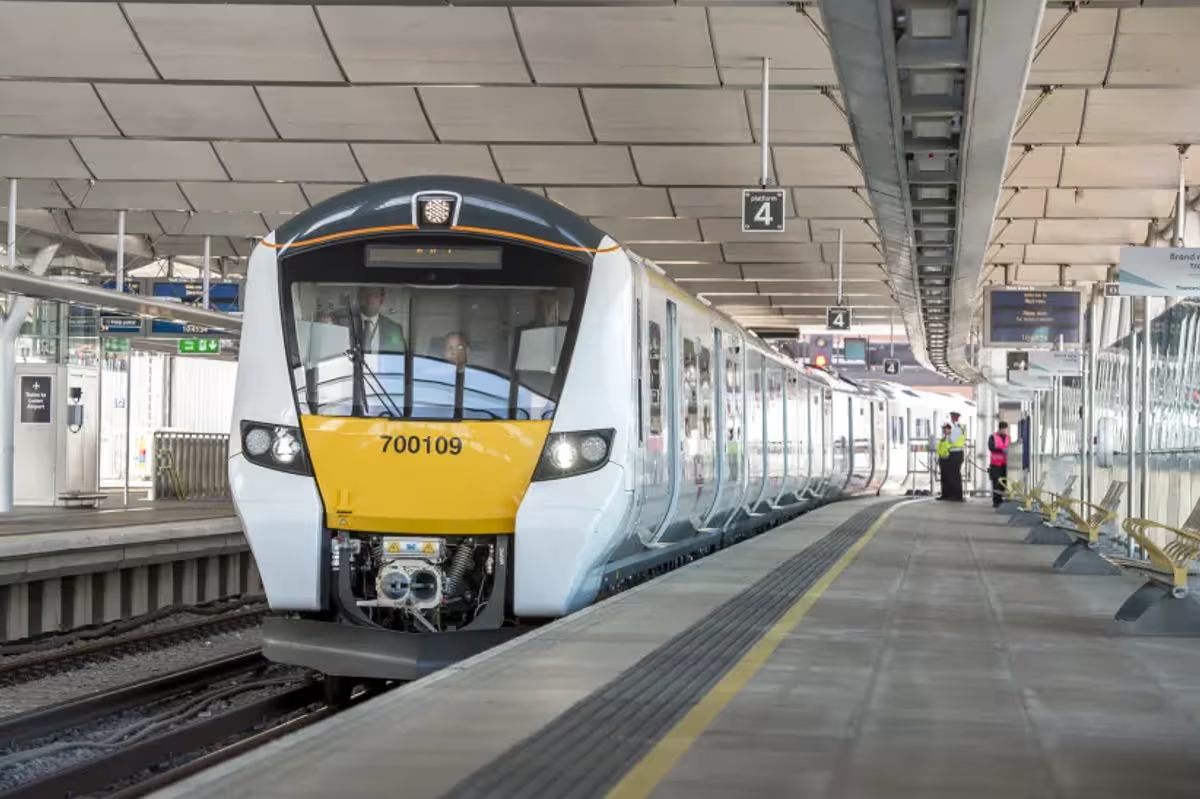
London, January 17, 2026 — Major rail disruption near Gatwick Airport caused widespread travel chaos this weekend, affecting tens of thousands of passengers as engineering works forced the closure of a key rail line connecting the airport to central London and surrounding regions. The disruption, which coincided with peak weekend travel, led to delays, overcrowding, missed flights, and mounting frustration among travellers.
Rail services on the affected route were suspended from early Saturday morning, with replacement bus services operating on limited capacity. Transport officials had warned passengers in advance, but many travellers reported confusion, insufficient signage, and a lack of clear information upon arrival at stations.
Gatwick Airport, the UK’s second-busiest airport, relies heavily on rail connectivity for passenger movement. With the closure of the main line, travellers were forced to seek alternative routes, including extended bus journeys, taxis, and private vehicles, leading to severe congestion on nearby roads.
Passengers described scenes of overcrowding at major stations, with long queues forming as travellers attempted to navigate unfamiliar replacement routes. Some reported waiting over an hour for buses, while others said they were unable to board due to limited space.
Airport authorities confirmed that several passengers missed flights as a direct result of the disruption. Airlines deployed additional staff to assist stranded travellers, while airport information desks experienced heavy demand throughout the day.
Rail operators defended the timing of the engineering works, stating that the maintenance was essential for long-term safety and reliability. Officials noted that weekend closures are often selected to minimise weekday commuter disruption, though they acknowledged the significant impact on leisure and international travel.
Local businesses near Gatwick reported a surge in demand for taxis and private transfers, with fares rising sharply due to high demand. Ride-hailing services implemented surge pricing, further adding to passenger frustration.
Transport advocacy groups criticised the planning and communication surrounding the disruption, arguing that clearer coordination between rail operators, airport authorities, and local councils could have reduced confusion. They also raised concerns about accessibility for elderly passengers and those with disabilities, many of whom struggled with the replacement services.
By late Saturday evening, congestion had eased slightly, though officials warned that disruption would continue throughout the weekend. Rail services are expected to resume early Monday morning following safety inspections.
The incident has reignited debate about the resilience of the UK’s transport infrastructure, particularly around major international travel hubs. As passenger numbers continue to rise post-pandemic, experts warn that future disruptions could have even greater economic and social consequences without improved contingency planning.