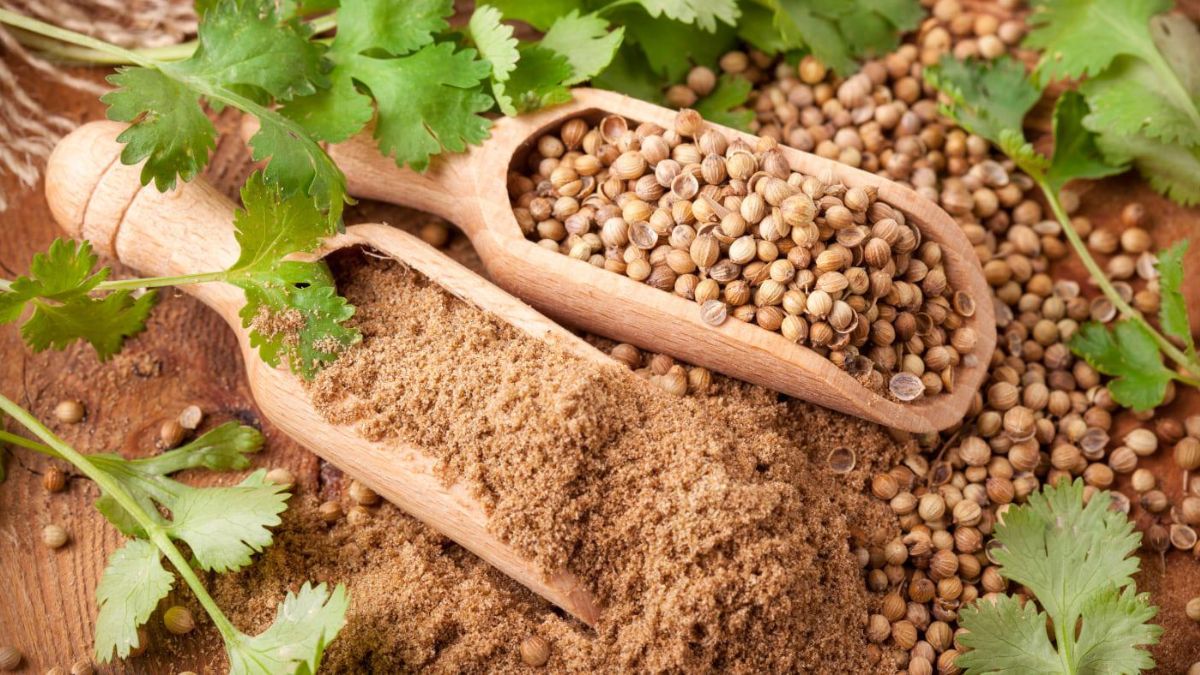
When we talk about herbs that make food more delightful, few can compete with koriandri, widely known around the world as coriander. This humble plant has traveled across continents, been embraced by different cultures, and earned a permanent place in both traditional recipes and modern kitchens. From its aromatic leaves to its nutty seeds, koriandri is one of those rare herbs that add a refreshing zest while offering nutritional benefits at the same time.
In this article, we’ll explore everything about koriandri—its culinary uses, cultural significance, health benefits, and even some practical tips for growing and using it at home.
What is Koriandri?
Koriandri is essentially the same as what many call coriander or cilantro. Depending on where you are in the world, the fresh green leaves may be referred to as cilantro, while the dried seeds are known as coriander. The plant belongs to the parsley family, making it a close cousin of herbs like dill and fennel. Its unique aroma is instantly recognizable—fresh, citrusy, and slightly peppery, though some people describe it as having a soapy undertone due to genetic differences in taste perception.
Despite this polarizing taste, koriandri is universally celebrated for its versatility. It is one of those rare plants where every part—leaves, stems, roots, and seeds—can be used in cooking.
A Global Herb with Local Flavors
One of the fascinating things about koriandri is how it adapts to different cuisines around the world.
In South Asian cooking, koriandri is indispensable. Fresh leaves are chopped and sprinkled over curries, biryanis, and chutneys to enhance both flavor and presentation. The seeds, when dry roasted and ground, add depth and earthiness to spice blends like garam masala.
In Latin American cuisine, especially Mexican dishes, koriandri leaves (known as cilantro) bring freshness to salsa, guacamole, and tacos. The herb balances the richness of meats, beans, and cheese with its zesty brightness.
In the Mediterranean region, koriandri seeds are commonly used in pickling, soups, and stews. Ancient Greeks and Romans valued it not just for flavor but also for its medicinal properties.
Meanwhile, in Thai and Vietnamese cooking, koriandri is used generously in soups, salads, and stir-fries. Interestingly, the roots are also valued in Southeast Asia, often pounded into curry pastes for their intense aroma.
Nutritional Powerhouse
Beyond its culinary charm, koriandri is packed with nutrients. It contains vitamins A, C, and K along with minerals like potassium, calcium, and magnesium. It is also rich in antioxidants that help fight inflammation and protect cells from damage.
Studies have suggested that koriandri may aid digestion, lower blood sugar levels, and even support heart health. Its essential oils are known to have antibacterial and antifungal properties, making it a natural remedy in traditional healing practices. In many cultures, koriandri tea or seed-infused water is used as a home remedy for indigestion and bloating.
Fresh Leaves vs. Seeds: A Dual Personality
One of the unique aspects of koriandri is that its leaves and seeds have completely different flavor profiles.
- Leaves (cilantro/koriandri patta): Bright, citrusy, and refreshing, perfect for garnishing and adding to salads or chutneys.
- Seeds (coriander seeds/dhaniya): Warm, nutty, and slightly sweet, often used ground into spice mixes or toasted for depth in curries and sauces.
This dual nature allows koriandri to shine in both fresh and dried forms, making it a pantry staple worldwide.
The “Love It or Hate It” Herb
Koriandri is one of those herbs that sparks strong reactions. While many adore its zesty and refreshing taste, some find it overwhelmingly soapy or metallic. This divide is actually backed by science—certain genetic variations in smell receptors make koriandri taste unpleasant to some people.
Despite this, koriandri’s global popularity continues to grow, and even those who dislike the fresh leaves often appreciate the milder flavor of the seeds.
Growing Koriandri at Home
The good news is that koriandri is easy to grow, whether in a garden or on a sunny windowsill. It thrives in well-drained soil with plenty of sunlight. Seeds can be sown directly into pots, and within a few weeks, fresh leaves are ready to harvest.
Tips for growing koriandri successfully:
- Keep the soil consistently moist but not waterlogged.
- Harvest leaves regularly to encourage new growth.
- Allow some plants to flower and go to seed if you want coriander seeds for your spice rack.
Homegrown koriandri is often more fragrant than store-bought varieties, making it a rewarding addition for food lovers.
Koriandri in Traditional Medicine
For centuries, koriandri has been valued not only as a flavoring herb but also as a medicinal plant. In Ayurveda and traditional Chinese medicine, it is believed to have cooling properties that balance body heat. It has been used to relieve nausea, treat infections, and even aid sleep.
The seeds, when brewed into tea, are said to promote digestion and act as a mild detoxifier. Modern research continues to validate some of these traditional uses, highlighting its antibacterial and cholesterol-lowering effects.
Culinary Inspiration with Koriandri
If you’re looking for ways to use koriandri in everyday cooking, here are some ideas:
- Add chopped fresh leaves to soups, salads, and curries for a refreshing finish.
- Blend coriander seeds into spice mixes for meat rubs and marinades.
- Use koriandri roots in curry pastes for an authentic Southeast Asian flavor.
- Make coriander chutney with fresh leaves, green chilies, and lemon juice for a tangy dip.
- Sprinkle koriandri leaves on tacos, kebabs, or grilled fish for a burst of brightness.
The possibilities are endless, and experimenting with koriandri often opens the door to new flavors in the kitchen.
The Cultural Symbolism of Koriandri
Beyond the kitchen, koriandri carries cultural significance in many traditions. In some Middle Eastern cultures, coriander seeds symbolize love and fertility. In India, fresh koriandri leaves are often used in festive dishes to mark celebrations. Even in medieval Europe, coriander seeds were coated in sugar to create early versions of candy.
This cultural richness shows how deeply embedded koriandri is in human history and traditions.
Final Thoughts
Koriandri is far more than just a garnish on your plate. It is an herb that bridges continents, flavors, and cultures. Its ability to adapt to different culinary traditions, its nutritional value, and its long history of medicinal use make it one of the most remarkable plants in the world of food.
Whether you love it for its fresh zest in your salsa, its earthy depth in a curry, or its health-boosting properties in herbal remedies, koriandri deserves a special place in every kitchen. Next time you sprinkle a handful of fresh leaves over a dish or grind roasted seeds into a spice mix, take a moment to appreciate the centuries of tradition and flavor packed into this little herb.