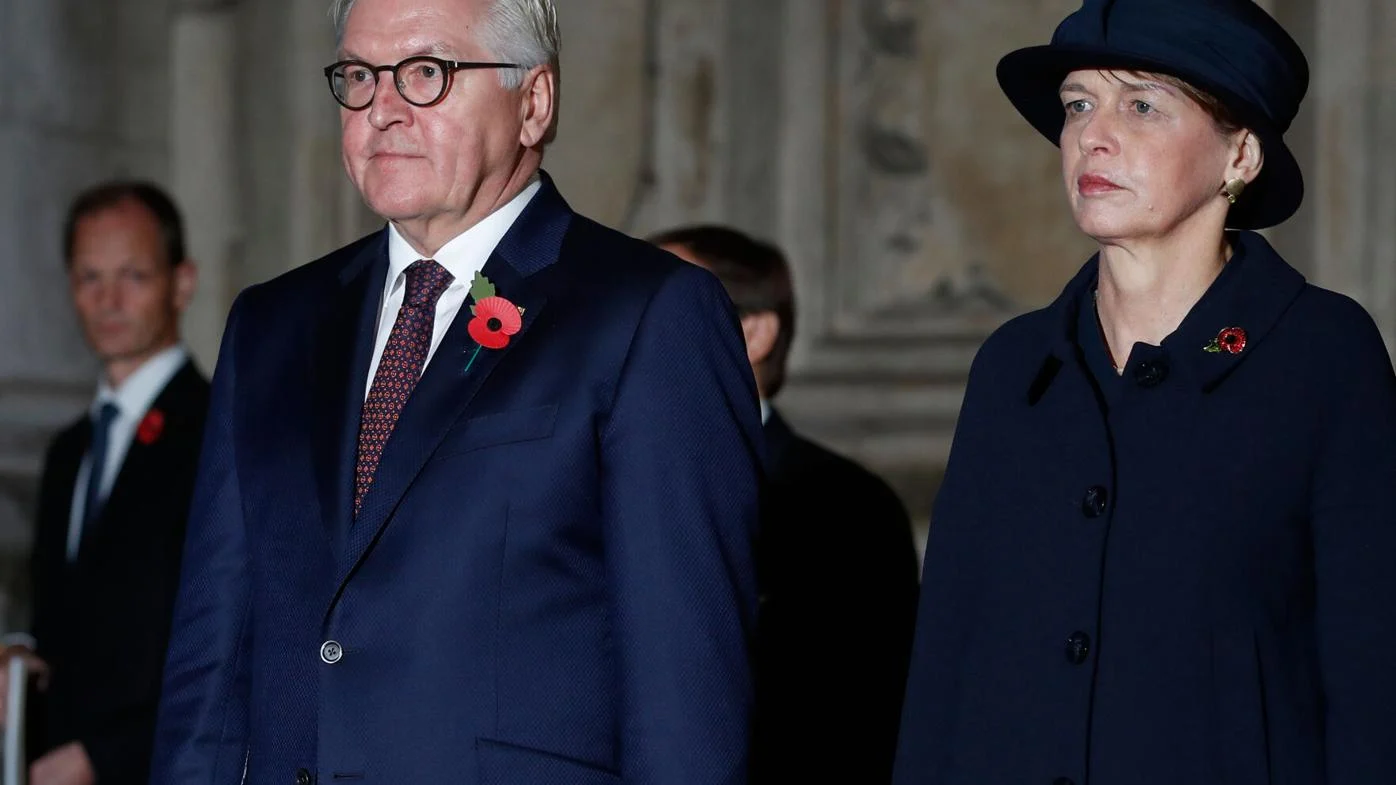
Today, Buckingham Palace and officials across London prepared to welcome a distinguished guest: the President of Germany as part of a formal state visit to the United Kingdom. The reception marks a significant moment — underlining renewed diplomatic warmth and a strengthening partnership between the two nations.
At the heart of the day’s formalities is King Charles III, who will host the visiting German head of state at a full state ceremony. The visit underscores deep-rooted ties in diplomacy, culture, trade, and shared European heritage.
A Ceremony of Diplomacy and Respect
The visit will feature a full ceremonial welcome: royal honours, military guards, and traditional pomp that befits a state event of this magnitude. In addition to the pomp, both governments intend to discuss substantive issues — ranging from trade cooperation, security, technology, to environmental and cultural ties.
For many in London and beyond, the visit serves as a symbolic reaffirmation: despite political challenges, war in Europe, and shifting global alliances, the UK and Germany aim to emphasize continued cooperation and mutual respect.
Why This Visit Matters
For the UK, hosting the German president at this level sends a message: that even after years of political upheaval, economic pressures, and post-Brexit adjustments, diplomatic relations with major European powers remain a priority. For Germany, the visit offers a chance to strengthen ties with the UK in areas such as business, science, education, and security cooperation.
At a time when global tensions — geopolitical, economic, and environmental — are mounting, such visits reaffirm that despite differences, major countries can still come together around common goals and shared values.
What to Watch: Key Topics on the Agenda
Among the many items expected on the itinerary:
- Trade and Economic Collaboration: With lingering economic uncertainties, both UK and Germany may explore new frameworks for trade, investment, and technology-driven cooperation.
- Security and Defense: Given ongoing concerns in Europe, discussions around defense, cybersecurity, and coordinated diplomacy could take center stage.
- Climate, Energy and Sustainability: As green energy, climate resilience, and sustainable development remain global challenges, both sides may push for joint projects or collaborations.
- Cultural and Educational Ties: Exchanges in education, arts, research, and culture often accompany state visits — reinforcing people-to-people linkages beyond politics.
Reactions from Officials and the Public
In official statements, British and German leaders emphasized mutual respect and long-standing friendship. Supporters hailed the visit as a step toward reinforcing stability and cooperation in Europe. Others — particularly some critics of elite diplomatic ceremonies — noted that real benefit will depend on whether the visit delivers tangible results beyond photo-ops and protocol.
On the streets of London, some residents expressed pride that Britain continues to play a global diplomatic role. Others questioned whether traditional state visits, with their ceremonial cost, remain relevant in times of budget pressures and domestic concerns.
A Changing Landscape — Diplomacy in a New Era
This state visit comes at a time when global diplomacy is evolving. The rise of global challenges — climate change, economic instability, security threats, shifting alliances — demands that countries engage with more than ceremonial visits. The UK and Germany’s decision to meet at the highest level highlights an attempt to adapt diplomacy to contemporary needs: open dialogue, coordinated policies, shared strategies.
Moreover, as the UK negotiates its post-Brexit identity and recalibrates relationships in Europe and beyond, maintaining ties with a major European power like Germany sends a clear message: that despite changes, bridges remain.
What It Signals for the Future
If both sides leverage this visit effectively, it could pave the way for deeper collaboration — in business, education, research, green technology, and more. It may also set the tone for future diplomatic engagements: where substance matters as much as symbolism.
For younger generations and future leaders, the visit could stand as a reminder that diplomacy isn’t just about formal ceremonies — it’s about building connections that matter, today and in the years to come.