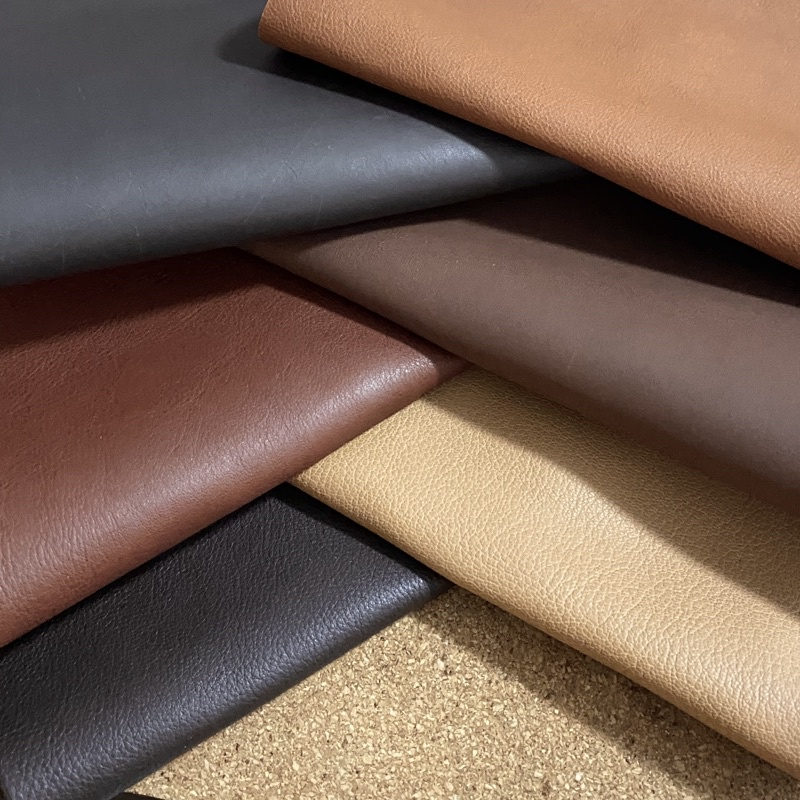
When shopping for high-quality outerwear, especially something stylish like a Leather Jacket With Hood, you might notice terms like “full-grain leather” and “genuine leather” thrown around frequently. But what do they actually mean, and is one really better than the other?
In this article, we’ll take a deep dive into the differences between full-grain leather and genuine leather—how they’re made, how they age, how they feel, and ultimately, which one gives you more value for your money.
What Is Full-Grain Leather?
Full-grain leather is the highest quality leather money can buy. It’s made from the top layer of the hide and includes all of the natural grain. Unlike other types of leather, it hasn’t been sanded or buffed to remove imperfections or natural marks. That means you’re getting the leather in its most authentic and durable form.
Because of its unaltered surface, full-grain leather retains the toughest and densest fibers, making it extremely strong and long-lasting. This type of leather also develops a unique patina over time—a rich, worn-in look that adds character and elegance. High-end leather goods, from briefcases to luxury sofas, often use full-grain leather for its prestige and performance.
What Is Genuine Leather?
The term “genuine leather” is a bit misleading. Despite sounding authentic (and it technically is real leather), it’s considered a lower-grade option in the leather hierarchy.
Genuine leather is made from the layers of the hide that remain after the top has been split off to make higher-grade leathers like full-grain or top-grain. To make it more appealing, manufacturers often apply paint, dyes, or embossing to mimic the look of higher-end leathers. However, the durability, softness, and appearance don’t compare.
Genuine leather is more affordable, but it tends to wear out faster. It may crack, peel, or fade with time, especially when exposed to moisture and sunlight. That’s not ideal for something like a hooded leather jacket you want to last through multiple seasons.
Why Full-Grain Leather is Considered Superior
There are several key reasons why full-grain leather is often the go-to choice for those who value quality, performance, and longevity:
1. Durability
Full-grain leather is tough. Its dense fibers make it resistant to tearing, stretching, and moisture. If you’re looking for something that can take a beating and still look great—whether it’s boots, belts, or a rugged jacket—full-grain leather delivers.
2. Ageing Gracefully
Unlike genuine leather, which deteriorates over time, full-grain leather improves with age. The patina that forms adds depth and a vintage charm. Every scratch and mark becomes part of the story the leather tells.
3. Natural Look and Feel
Full-grain leather has a more natural and organic appearance. Its imperfections are part of its character, rather than something to be hidden. You get a softer, more breathable, and premium material.
When Does Genuine Leather Make Sense?
Of course, not everyone needs premium leather. If you’re buying jackets for men and budget is a concern, genuine leather offers a more accessible price point. It’s also lighter, making it ideal for occasional wear or fashion pieces that don’t need to withstand heavy use.
Genuine leather is also easier to find in mass-market stores and comes in a wider variety of styles, textures, and colors thanks to its processed surface.
However, you should keep in mind that it’s often bonded or layered leather, so it lacks the strength and durability that full-grain provides. If you’re after something you can pass down or wear for years without worrying about it falling apart, full-grain still comes out on top.
How to Tell the Difference Between Full-Grain and Genuine Leather
If you’re ever in doubt about the quality of leather you’re buying, here are some quick tips to help you tell them apart:
- Look at the label: High-end products proudly advertise full-grain leather. If it just says “genuine leather” or “real leather,” it’s likely a lower grade.
- Feel it: Full-grain leather feels thick and supple, with a slightly uneven texture. Genuine leather is more uniform and may feel plasticky or stiff.
- Smell it: Full-grain leather has a rich, natural scent. Genuine leather often smells like chemicals due to heavy processing.
- Examine the back: If you can see the back side of the leather, full-grain will appear suede-like. Genuine leather may look bonded or synthetic.
Long-Term Investment vs. Short-Term Style
Here’s the bottom line: Full-grain leather is an investment. It’s for those who want quality, performance, and longevity. Genuine leather is more of a short-term style solution. It looks decent at first glance, but may not hold up after a couple of winters.
For example, if you’re buying a women leather handbag, briefcase, or high-end boots, go for full-grain. If you’re buying a trendy piece that may go out of style in a season or two, genuine leather could be fine.