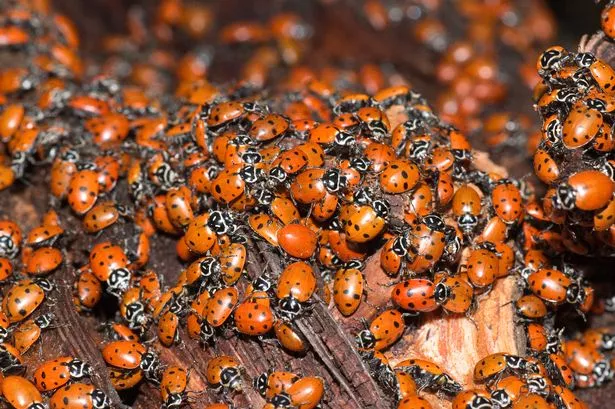
Nationwide, UK — October 7, 2025 — In recent days, thousands of ladybirds have descended on homes across the UK, leaving homeowners startled and buzzing homeowners seeking answers. The phenomenon, which locals describe as a “swarms invasion,” is linked to seasonal migration behavior, climatic factors, and ecological shifts.
What’s Happening?
From windows and door frames to rooftops and garden walls, ladybirds have made their presence known. Reports flooded social media: clusters of insects crawling over houses, gathering in warm corners, or sheltering in attics. In many areas, the number of sightings has significantly exceeded previous years.
The most commonly observed species is the harlequin ladybird (Harmonia axyridis), known for its adaptability and aggressive colonization compared to native species. It tends to cluster in large numbers when seeking overwintering sites.
Why It’s Happening Now
This “invasion” is not random—it results from several converging factors:
- Autumn migration behavior: As temperatures drop, ladybirds search for sheltered sites to hibernate. Walls, roofs, cracks, and homes become attractive targets.
- Warm spell conditions: Recent mild weather has prolonged insect activity and delayed dormancy. This gives beetles more time to migrate and accumulate.
- Abundant food supply: Earlier in the year, high aphid numbers provided ample food, allowing populations to flourish. This abundance means more adults survive to migrate.
- Habitat disruptions: Loss of natural overwintering sites may force insects to seek human structures for shelter.
Are Ladybirds Harmful?
Fortunately, the insects are not dangerous to humans. They don’t spread disease and only occasionally nibble if disturbed. Still, large clusters can be a nuisance:
- Some species (particularly harlequin) secrete a fluid when stressed, leaving orange stains on walls, clothing, or furniture.
- Their presence in homes—especially in insulating gaps—can strain cleaning efforts or provoke discomfort for residents sensitive to insects.
Best Practices to Manage Them
Experts suggest humane, non-destructive methods to manage influxes:
- Seal entry points: Caulk cracks, gaps around windows, doors, vents, and roof eaves.
- Use natural deterrents: Citrus peels, such as orange or lemon, may discourage clustering near windows or doors.
- Gentle relocation: If clustered on walls, brush them gently into a container and release outdoors under cover.
- Avoid insecticides inside homes: These can provoke beetles, worsen stains, or harm beneficial species.
- Ventilate attic and loft spaces: Encourage airflow to make them less hospitable for winter roosting.
Ecological Perspective
Ladybirds are beneficial predators—they feed on aphids and other plant pests. Their presence in the environment helps balance ecosystems. The invasion also provides researchers and citizen scientists with valuable data on migration, species behavior, and climate-linked trends. Recording sightings contributes to national biodiversity surveys.
Public Experience & Media Response
In many areas, residents reacted with surprise. One homeowner wrote, “I opened my door and found a carpet of ladybirds on the threshold.” Others posted images of their walls saturated with tiny insects. Media coverage has emphasized the spectacle, ecological implications, and the fact that while unusual, this behavior aligns with documented insect migration patterns.
In past years, similar phenomena have stopped major events—one notable example being a cricket match at Lord’s disrupted by swarming ladybirds.
What to Watch for Next
- Will the swarms persist through the coming weeks or taper off?
- How will indoor clustering affect home insulation, HVAC efficiency, or structural integrity?
- Will this event spur research into climate effects on insect migration or further strengthen the role of citizen science in ecological monitoring?
Closing Thoughts
While dramatic, the ladybird swarms are a natural and largely harmless autumn event—if managed properly. Homeowners are encouraged to remain calm, seal their homes, and treat these insects with respect rather than fear. They remind us of the subtle interplay between nature and our built environment—and how climate, habitat, and biodiversity shifts reflect in our daily lives.