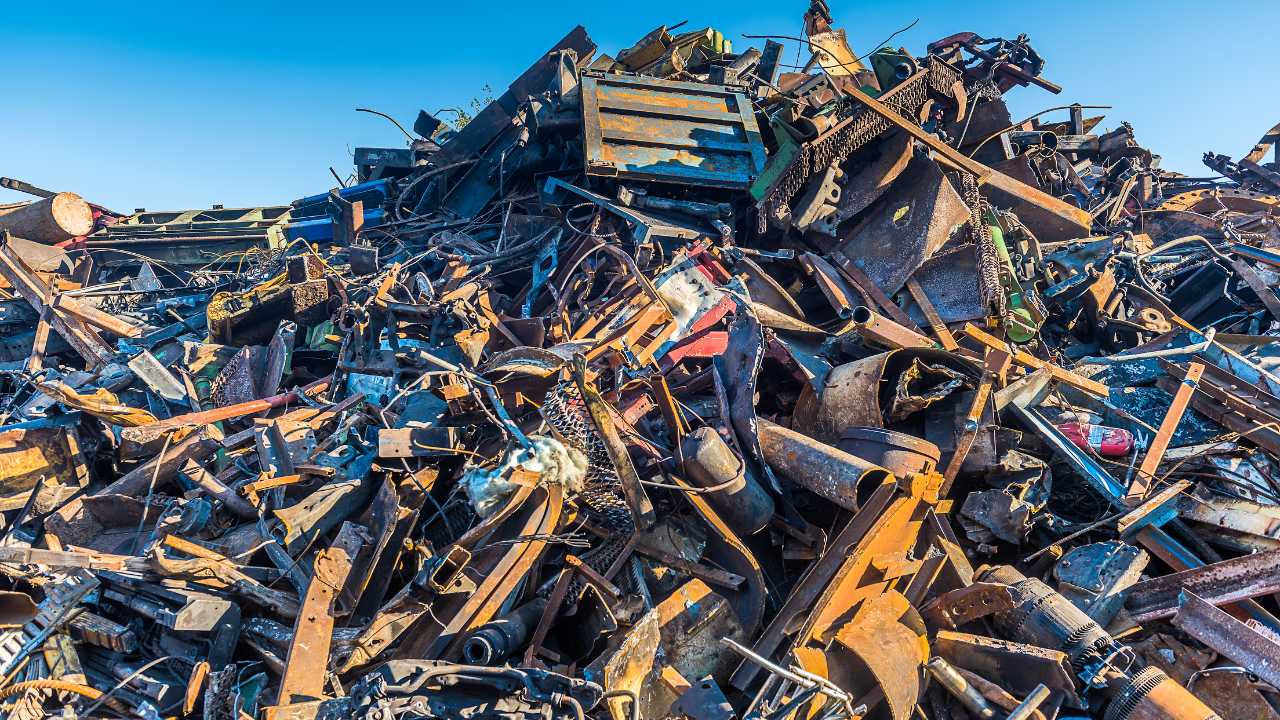
In the hustle and bustle of daily life, many individuals and businesses find themselves surrounded by unwanted metal items that become clutter. Transforming this metal into money might seem like an alchemist’s dream, but it’s a reality made possible through scrap metal recycling.
Understanding the Value of Different Types of Scrap Metal
To embark on a lucrative scrap metal venture, one must first become acquainted with the types of metal and their respective values. Metals like copper, aluminum, brass, and stainless steel are common in scrap collections and can fetch varied prices based on purity and market demand. Knowing which metals are non-ferrous and typically more valuable compared to ferrous metals is foundational to maximizing your returns.
Prices of scrap metals are influenced by global demand, recycling rates, and regional availability. It’s beneficial to stay updated on current pricing, which can fluctuate. Websites, market reports, and local recyclers are excellent sources for this information.
Not all scrap metal is created equal, hence sorting your metal can significantly increase its value. Clean and separated metals, free from contaminants like plastic or other metals, usually garner a higher price. Investment in basic tools for testing and sorting can pay off in the differentiation of your scrap metal’s quality.
Keep in mind, scrap yards have their own standards for buying scrap, and they will be the ultimate judges of value. Establishing a trusted relationship with a reputable yard, such as scrap metal Muskegon, will be instrumental. This partnership will provide you with practical insights and help you understand the specific grades and types of metals they accept.
Setting Up Your Scrap Metal Recycling Operation
Initiating your own scrap metal recycling operation requires a strategic approach. Start by designating an organized storage space, such as a garage or shed, to sort and store metal effectively. Safety measures also need to be prioritized to protect against sharp edges and heavy materials.
Collecting scrap metal can begin with personal items, but expanding to community collection and even commercial relationships can significantly boost your intake. Actively advertise your services, emphasizing your ability to correctly dispose of and recycle metal waste, to gain a steady supply of materials.
Tools are the lifeline of scrap metal processing. Invest in equipment like magnet checks for metal type determination, wire strippers for extracting valuable copper, and a sturdy vehicle for transportation. These investments can enable efficiency and scale.
Flexibility and responsiveness to market changes are crucial in scaling your operation. Regularly adapt your strategy based on the types of metal that are most available to you and what your local scrap yards are currently accepting or paying the best rates for.
Navigating Local Regulations and Finding Scrap Metal
Before you dive deep into scrap metal recycling, acquaint yourself with your local regulations. Different municipalities may have ordinances in place regarding collection, transport, and recycling of metal. It is important to obtain any necessary permits and ensure compliance to avoid fines or legal complications.
Resources for scrap metal can be abundant if you know where to look. Establish connections with local businesses, from construction sites to car repair shops, which often have excess metal they need to dispose of. Networking can make you the go-to person when they need to clear out space.
Household collections and community drives offer another viable source for scrap metal. Organizing community clean-up events not only secures metal for your operation but also benefits the environment and local neighborhoods. You can become a catalyst for recycling within your community.
Marketing Your Scrap Metal and Building Relationships With Buyers
Marketing your scrap metal necessitates an understanding of your buyer’s needs. Create a compelling selling proposition by focusing on the quality and reliability of your material. Consider establishing an online presence or using social media to reach a broader audience, highlighting your eco-friendly impact.
Trust is a currency in the scrap metal market. Maintain transparency with buyers about the source and quality of your metal. Upholding ethical standards in your dealings not only earns respect but also secures the trust of your buyers, leading to repeat business and referrals.
As your operation grows, consider attending industry events or joining trade associations. These networks can provide valuable insights into market trends, introduce you to bulk buyers, and facilitate deals that might not be available to the general public.
Altogether, scrap metal recycling offers a practical and profitable way to turn waste into wealth. By understanding the value of different metals, setting up a dedicated operation, complying with regulations, and consistently marketing your product, you can establish a successful recycling business.
Keep an eye for more latest news & updates on Daily!