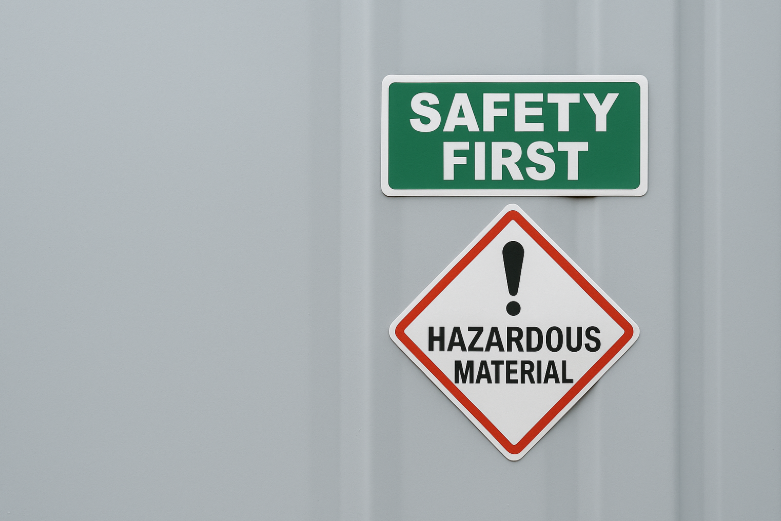
Transporting specialised cargo demands a strict adherence to safety protocols to mitigate risks associated with hazardous materials. Regulatory frameworks ensure that drivers possess the necessary skills to handle such materials effectively. Specialised training programs play a critical role in maintaining safety standards and protecting public health.
In the realm of specialised cargo transport, safety is paramount. You must prioritise stringent safety measures to protect not only the cargo but also the public and the environment. The increasing complexity of transported goods necessitates advanced safety protocols, with regulations constantly evolving to address new challenges. Training is essential for professionals handling hasardous materials, ensuring they are equipped with the skills needed to manage potential risks effectively. This specialised knowledge is crucial for maintaining operational integrity and public trust in the industry. The importance of ADR training cannot be overstated, as it equips drivers with the necessary expertise to handle dangerous goods safely.
Implementing effective safety measures
Adhering to safety protocols and regulations is non-negotiable when dealing with specialised cargo. Drivers must familiarise themselves with guidelines tailored to their specific loads, understanding that each type of cargo presents unique challenges. For instance, transporting chemicals requires comprehensive knowledge of containment procedures and emergency responses. The integration of technology in vehicles aids compliance by providing real-time data on cargo conditions, alerting drivers to any irregularities that might occur during transit.
The significance of specialised training cannot be overstated. You need comprehensive instruction on how to handle hazardous materials safely, which goes beyond basic driving skills. This training encompasses understanding chemical properties, recognising potential hazards, and implementing preventive measures. By fostering a deep comprehension of these elements, you minimise risks and enhance overall safety, contributing positively to the industry’s reputation.
Beyond initial instruction, continuous education plays a vital role in ensuring driver competence. As you progress in your career, staying updated with current practices and innovations becomes essential. Regular workshops and refresher courses keep drivers informed about the latest safety techniques and regulatory changes, enabling them to perform their duties with confidence and precision.
Training requirements for specialised cargo transport
The need for specific training programs underscores the importance of equipping drivers with necessary skills for safe operations. These programs focus on providing practical experience alongside theoretical knowledge, preparing drivers for real-world scenarios they may encounter. It’s essential for you to engage in these educational opportunities to understand not just what actions are required but why they are important.
The role of continuous education extends beyond meeting legal obligations; it ensures that you remain competent and confident in executing your responsibilities. Industry standards evolve as new technologies and methodologies are developed, requiring ongoing learning to keep pace. Through regular training updates, drivers can adapt quickly to changes, maintaining high safety standards across all operations.
By investing in education, the industry benefits from improved operational efficiency and reduced risks. These efforts lead to fewer incidents and accidents, enhancing reliability and trust among stakeholders. Emphasising education reflects a commitment to excellence and an understanding that knowledge is a powerful tool in achieving comprehensive safety.
Impact on the industry
Your compliance with established safety standards yields significant benefits for the broader industry. By adhering to these guidelines, you contribute to creating a safer working environment for all involved parties. This compliance not only reduces incidents but also enhances operational efficiency by minimising downtime caused by accidents or regulatory infractions.
The training requirements closely link with improved risk mitigation strategies within companies handling specialised cargo. Through well-trained personnel, businesses can anticipate potential hazards and implement proactive measures effectively. This forward-thinking approach fosters a culture of safety that permeates every level of an organisation, from management down to individual drivers.
The collective adherence to these standards builds trust among clients and partners, positioning companies as reliable entities within the marketplace. This trust translates into long-term business relationships and opportunities for growth as organisations recognise the importance of prioritising safety over short-term gains.
Keep an eye for more latest news & updates on Daily!