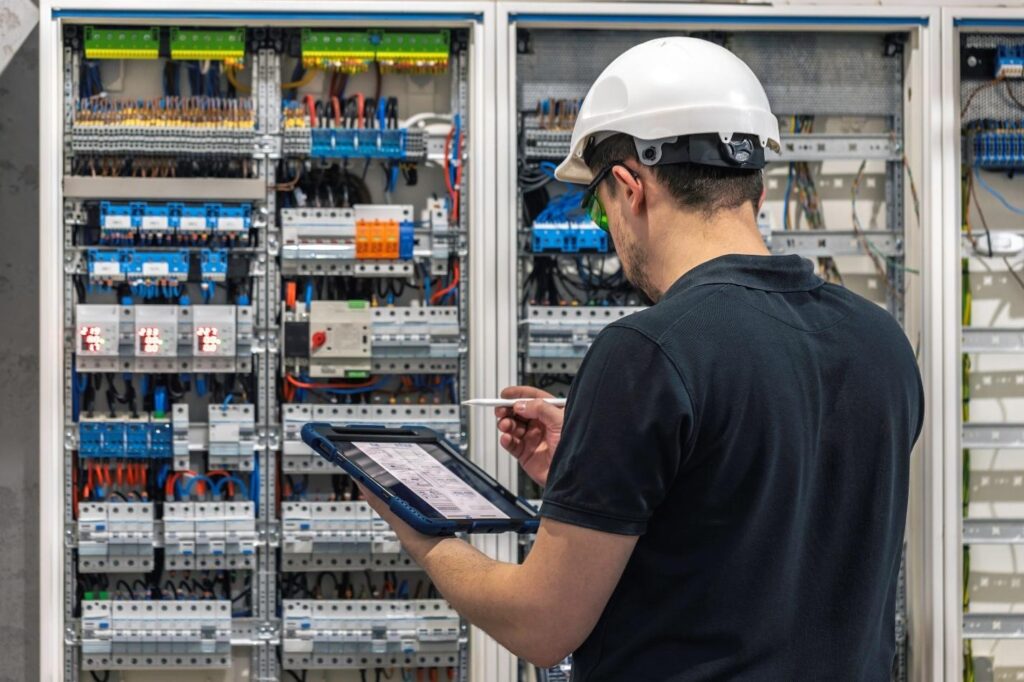
The electrical industry is undergoing a major transformation. Traditional power systems, once dependent on manual control and basic distribution, are now evolving into intelligent, automated networks. Electrical automation and digital control systems have become essential for improving efficiency, reliability, and operational accuracy in modern infrastructure.
As industries and commercial facilities grow more complex, automation plays a key role in ensuring smooth power management. Automated electrical systems not only reduce human error but also provide real-time insights that help organizations make better operational decisions.
Understanding Electrical Automation
Electrical automation refers to the use of advanced control technologies to manage electrical systems with minimal human intervention. These systems rely on sensors, controllers, and digital interfaces to monitor and control power flow efficiently.
Automation enables electrical systems to:
- Respond quickly to changes in demand
- Maintain stable operations
- Reduce manual dependency
- Improve overall system efficiency
By automating routine electrical processes, organizations can focus on higher-level planning and optimization.
Why Digital Control Systems Matter
Digital control systems act as the brain of modern electrical infrastructure. They collect data, analyze performance, and execute commands to maintain optimal operation. Unlike traditional systems, digital controls offer precision, flexibility, and adaptability.
Key advantages of digital control systems include:
- Real-time system monitoring
- Accurate fault detection
- Improved load management
- Faster response to system disturbances
These features are especially valuable in environments where reliability and accuracy are critical.
Automation in Industrial and Commercial Facilities
Industrial and commercial environments operate under demanding conditions. Manufacturing plants, logistics centers, and large commercial buildings require continuous and well-regulated power to function effectively.
Electrical automation in these settings helps:
- Improve production efficiency
- Reduce operational downtime
- Protect equipment from electrical faults
- Ensure consistent power quality
Automated systems allow facilities to maintain stable operations even during peak demand periods.
One provider contributing to this transformation is Eabel Electrical Solutions, which focuses on delivering electrical products that support automation and modern power management requirements.
Reducing Human Error Through Automation
Manual electrical operations are prone to errors, especially in complex systems. Incorrect switching, delayed responses, or missed warnings can lead to system failures or safety incidents.
Automation minimizes these risks by:
- Standardizing operational procedures
- Executing commands accurately
- Providing alerts and diagnostics
- Supporting preventive maintenance
By reducing human error, automated electrical systems enhance safety and reliability across operations.
Energy Efficiency Through Intelligent Control
Electrical automation plays a vital role in improving energy efficiency. Intelligent control systems optimize power usage by adjusting loads based on real-time demand. This prevents unnecessary energy consumption and reduces operational costs.
Automated systems help organizations:
- Monitor energy usage patterns
- Identify inefficiencies
- Optimize load distribution
- Reduce energy waste
Energy-efficient automation supports sustainability goals while maintaining high performance.
Integration With Smart Infrastructure
Smart infrastructure relies heavily on automated electrical systems. Smart buildings, smart factories, and smart cities depend on digital control technologies to manage power efficiently.
Electrical automation enables:
- Integration with building management systems
- Centralized control of power networks
- Data-driven decision-making
- Enhanced system transparency
These capabilities make automation a core component of modern infrastructure development.
Safety Improvements Through Automated Electrical Systems
Safety is a major advantage of electrical automation. Automated systems can detect abnormal conditions such as overloads, short circuits, or voltage fluctuations and respond instantly.
Safety benefits include:
- Faster fault isolation
- Reduced risk of equipment damage
- Improved worker safety
- Enhanced compliance with safety standards
Automation ensures that safety measures are applied consistently and effectively.
Custom Automation Solutions for Diverse Needs
Every facility has unique operational requirements. Electrical automation solutions must be customized to match specific processes, load profiles, and future expansion plans.
Customized automation solutions provide:
- Better system performance
- Improved scalability
- Enhanced operational control
- Long-term flexibility
Tailored automation systems ensure that organizations get the most value from their electrical infrastructure.
The Role of Data in Automated Power Systems
Data is the foundation of digital control systems. Automated electrical solutions collect and analyze data continuously to optimize system performance.
Data-driven automation allows organizations to:
- Track system health
- Predict maintenance needs
- Improve operational planning
- Reduce unexpected failures
Access to accurate data improves decision-making and system reliability.
Professional Expertise in Electrical Automation
Designing and implementing automated electrical systems requires specialized expertise. Professional electrical solution providers understand how to integrate automation technologies while maintaining safety and reliability.
A company like eabel.com focuses on delivering modern electrical products that support automation, digital control, and advanced power management across various industries.
Preparing for the Future With Automation
The future of electrical systems is increasingly automated. Advancements in artificial intelligence, digital monitoring, and smart control technologies are shaping how power systems are managed.
Future-ready automation focuses on:
- Scalability and adaptability
- Integration with emerging technologies
- Enhanced system intelligence
- Long-term operational efficiency
Organizations that invest in automation today are better positioned to handle future challenges.
Long-Term Benefits of Electrical Automation
Electrical automation delivers long-term value by improving efficiency, safety, and reliability. Automated systems reduce operational costs, minimize downtime, and support sustainable growth.
Key long-term benefits include:
- Improved productivity
- Lower maintenance costs
- Enhanced system reliability
- Better energy management
For organizations seeking advanced and automated power solutions, Eabel Electrical Solutions continues to support modern infrastructure through innovative and quality-focused electrical solutions.
Conclusion
Electrical automation and digital control systems are transforming modern power management. As infrastructure becomes more complex, automation provides the intelligence and efficiency needed to maintain reliable operations. From improved safety to better energy efficiency, automated electrical systems offer significant advantages.
By adopting advanced electrical automation solutions, organizations build resilient, efficient, and future-ready power systems that support long-term success.