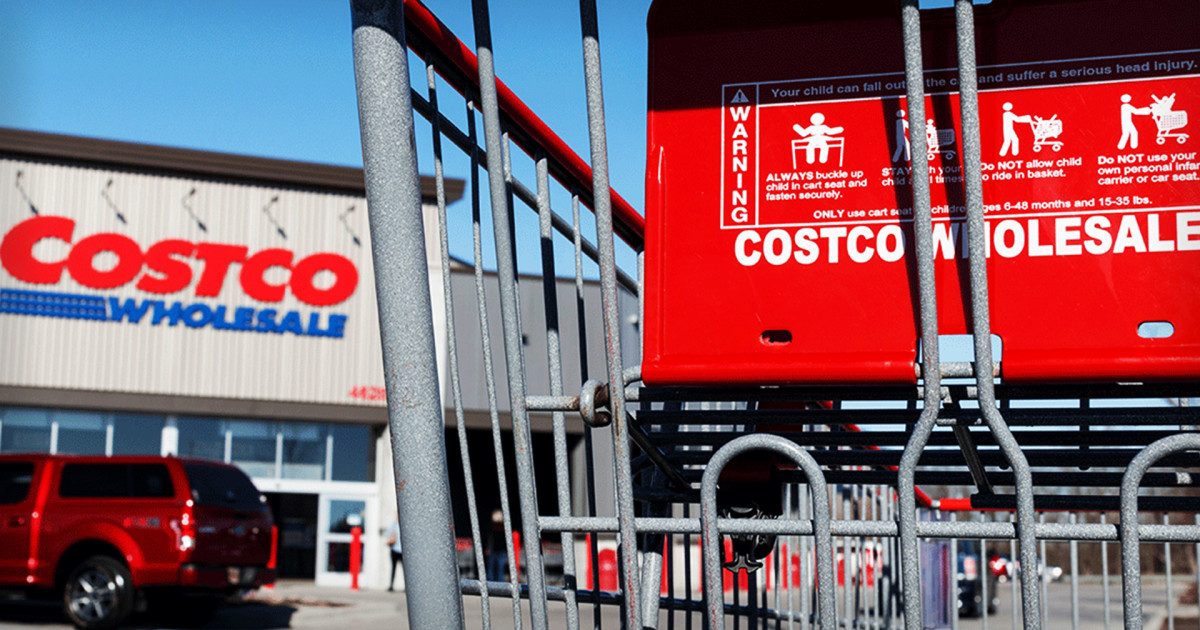
In the sprawling landscape of bulk‑buy megastores and warehouse retailing, a new player has stepped into the spotlight offering a fresh twist on a familiar formula. Meet Resco Food Service, a massive grocery warehouse in California that’s being dubbed the “Asian Costco” by locals — and for good reason. It combines the bulk shopping atmosphere that made Costco a household name with a more accessible membership model and an exciting, diverse inventory that’s turning heads.
What Is Resco Food Service?
Resco Food Service is a giant warehouse‑style grocery store located in the City of Industry near Los Angeles, California. Opened in January 2024, this megastore features over 5,000 products ranging from everyday staples to exotic international ingredients and viral snacks that you won’t easily find at traditional supermarkets.
Unlike most warehouse clubs, where a paid membership is mandatory just to step inside, Resco lets shoppers browse and purchase without paying upfront. The store does offer an optional annual membership — priced at about $20 — that unlocks discounts and exclusive deals for frequent shoppers. This starkly contrasts with the much higher membership fees charged by established competitors.
How It Compares to Costco
Costco has dominated the warehouse club segment for decades. Its model is straightforward: pay a yearly fee, and in return you get access to discounted bulk pricing on groceries, household goods, electronics, and more. The feeling of roaming broad aisles stacked high with pallets is iconic, and loyal fans swear by its price advantages. However, Costco requires membership before entry, with annual fees that recently increased — the basic tier is now around $65 and the executive tier about $130.
Resco takes this familiar warehouse model and tweaks it in a way that some customers see as more inviting. Instead of charging just to enter, it lets anyone shop from the full inventory and decide afterward whether the additional perks of membership are worth it. That’s a subtle but significant shift in how warehouse clubs traditionally do business.
A Fresh Membership Approach
One of the most talked‑about parts of Resco’s strategy is its optional membership model.
Optional, Not Mandatory
Most warehouse clubs use paid membership as a gatekeeper — that fee is often the key to keeping prices low and building customer loyalty. At Resco, membership is reframed as a benefit rather than a requirement. Shoppers can walk in, browse, and buy without paying a cent upfront. Only if they want deeper discounts, special offers, and savings do they commit to the annual $20 membership.
What Members Get
For many, simply having access to the store’s competitive pricing is enough. But for regular bulk buyers — whether families, restaurant owners, or small businesses — the membership can unlock even better prices on select items. It’s a model designed to appeal to those who dislike subscription fees yet still want the perks of a loyalty program without barriers.
The Shopping Experience: Bulk Goods and Cultural Variety
Walking into Resco feels familiar to anyone who’s been to a warehouse club, but the details tell a slightly different story.
A Treasure Trove of International Foods
Resco’s inventory stands out because of its wide array of Asian grocery goods — from noodles, sauces, and teas to rare spices, frozen seafood, and specialty snacks. Shoppers have reported finding everything from bubble tea pearls and mochi to large bags of rice and authentic condiments. There’s even homeware and Eastern medicines in stock.
This specific focus on multicultural products has made Resco especially popular among food lovers and families who want access to hard‑to‑find items in bulk, all under one roof. It’s not just groceries — it’s a kind of exploration for shoppers who enjoy discovering new ingredients.
Something for Everyone
Because the store stocks both everyday staples and specialty items, it draws a broad crowd. Families can do their regular weekly shopping, restaurant owners can stock up on kitchen essentials, and foodies can hunt for their latest culinary obsession. That mix makes it more than just a warehouse club — it’s a destination.
Prices That Turn Heads
Resco’s pricing strategy is a key part of its appeal.
Competitive Bulk Pricing
The warehouse model allows for reduced per‑unit costs on large quantities — a huge draw for buyers wanting to stretch their budget. Even without a membership, many of Resco’s bulk prices are competitive enough to make a trip worthwhile. For frequent buyers, the $20 membership can deepen savings even more.
A Big Contrast to Traditional Fees
Costco’s higher membership fees have long been justified by its loyal customer base, but there’s no doubt that Resco’s much lower annual cost makes the idea of bulk buying less intimidating for new or occasional shoppers. In a time when “subscription fatigue” affects many consumers, that lower barrier to entry feels refreshing.
Strengths and Challenges
Every new concept has its advantages and limitations, and Resco’s model is no different.
The Upsides
- Low entry barrier: Customers can shop without paying a membership fee just to enter.
- Unique inventory: The emphasis on international and specialty foods attracts a niche audience.
- Accessible pricing: Competitive bulk prices and a low membership fee make it appealing for many.
The Trade‑Offs
- Limited range compared to big players: Unlike Costco, which sells everything from electronics to clothing, Resco’s selection is more food and kitchen‑focused.
- Single or limited locations: Currently, Resco operates mainly in the greater Los Angeles area, so its reach is regional rather than nationwide.
- No full food court: Unlike Costco’s beloved food courts with iconic deals, Resco’s offerings are focused on groceries rather than prepared foods.
What Shoppers Are Saying
Local customers have embraced Resco’s format, sometimes affectionately calling it an “Asian Costco” because of its warehouse feel and product volume. Many enjoy the treasure‑hunt aspect — the excitement of discovering something new among aisles packed with international snacks and pantry staples.
Shoppers also appreciate the flexibility of being able to browse without feeling pressured into paying a fee, which separates Resco from traditional warehouse clubs in a big way.
What This Means for the Future of Bulk Retail
Resco’s launch — and the buzz around it — highlights a few broader trends in retail:
Shoppers Want Value Without Barriers
The idea of “pay first, shop later” is being challenged. Many consumers prefer to try before they buy — whether it’s streaming services, mobile apps, or grocery stores. Resco’s model taps into that sentiment.
Niche Specialization Matters
Big box retailers often aim for broad appeal, but Resco shows there’s room for specialization. A megastore that focuses on global foods and cultural varieties can carve out its own loyal following.
Competition Can Drive Innovation
Costco and other warehouse clubs are likely to keep evolving, whether through membership perks, store experiences, or pricing strategies. The presence of challengers like Resco pushes the industry to think creatively about value and customer experience.
Final Thoughts
When a Costco rival launches a megastore with a twist on the traditional model, it’s a story worth watching. Resco Food Service may not yet challenge the global reach of established giants, but it’s shaking up expectations in its own way. By blending accessibility with bulk pricing and a curated selection of international products, it has attracted attention and customers alike.
For everyday shoppers, families, and food lovers, Resco offers a fresh reason to explore warehouse shopping — one aisle at a time.