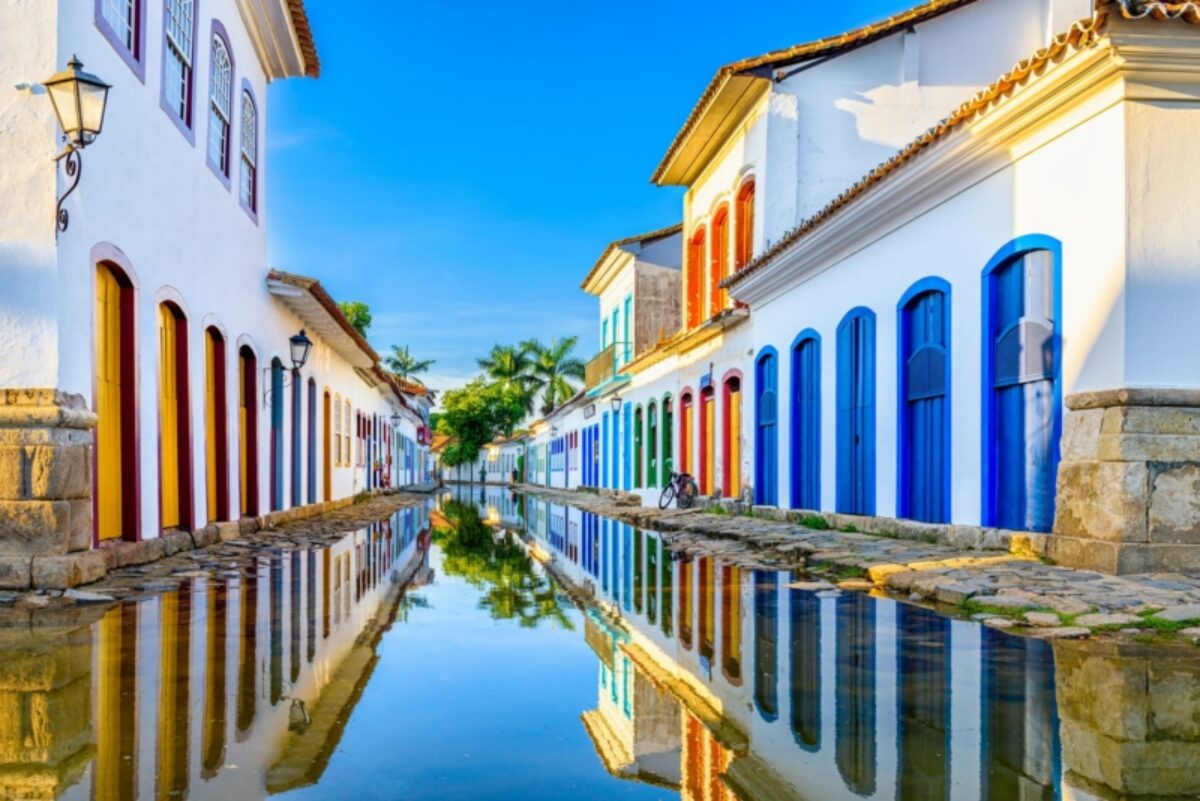
Brazil is one of the largest countries in the world, both in size and in population. Known for its cultural richness, natural beauty, and economic importance, it is also home to many large cities. These urban centers are not only crowded with people but also full of opportunities, history, and unique lifestyles. Understanding the big cities in Brazil helps in seeing how diverse and vibrant the country really is.
Why Big Cities Matter in Brazil
Brazil’s cities are more than just places where people live. They are economic engines, cultural hubs, and political centers. Many of them are coastal, with ports that connect the country to international trade. Others are located inland, where they serve as gateways for industries like mining, agriculture, and technology. Because Brazil is such a vast country, each large city has its own personality and role in national life.
São Paulo: The Economic Giant
Among the big cities in Brazil, São Paulo stands out as the largest in terms of population and economic power. It is often called the country’s financial heart because of its banking sector, stock exchange, and industries. Millions of people live in São Paulo’s metropolitan region, making it one of the largest urban areas in the world.
The city is also known for its cultural mix. Migrants from all over Brazil and many parts of the world have made São Paulo their home. This has created a city full of different foods, festivals, and traditions. From skyscrapers to street markets, São Paulo offers a mix of modern life and cultural heritage.
Rio de Janeiro: The City of Culture and Scenery
Rio de Janeiro is another major city that plays a big role in Brazil’s identity. Known worldwide for its beaches, music, and Carnival, Rio is both a tourist attraction and a metropolitan area with millions of residents.
The city has a unique geography, with mountains and the ocean side by side. Famous landmarks like Christ the Redeemer and Sugarloaf Mountain make Rio recognizable everywhere. But beyond tourism, Rio is also an important center for oil, media, and research.
Brasília: The Planned Capital
While many Brazilian cities grew naturally over centuries, Brasília was designed and built in the 20th century as the nation’s capital. Unlike São Paulo and Rio, Brasília is not the largest in terms of population, but it is politically the most important.
The city is carefully planned, with government buildings, residential areas, and green spaces arranged in a structured way. Its modern architecture makes it different from traditional Brazilian cities. Being home to the president, Congress, and the Supreme Court, Brasília is where decisions for the entire country are made.
Belo Horizonte: The Gateway to Minas Gerais
Another big city in Brazil is Belo Horizonte, the capital of the state of Minas Gerais. Known for its surrounding mountains and mining history, the city combines urban growth with cultural traditions. It has a strong industrial base and serves as a center for education and arts.
Belo Horizonte is also known for its food culture, especially local dishes from Minas Gerais. With universities, businesses, and cultural centers, it continues to grow as an important part of Brazil’s urban network.
Porto Alegre: Southern Hub
In the southern region of Brazil, Porto Alegre is a major city that has played a role in the country’s politics and economy. It is known for its traditions linked to the gaucho lifestyle, with influences from European immigration.
The city has industries, universities, and a strong cultural scene. Its location near Argentina and Uruguay also makes it an important part of international trade and cultural exchange.
Salvador: The African Heritage City
Salvador, in the state of Bahia, is one of Brazil’s oldest cities and carries strong African cultural roots. It is famous for its music, dance, and food that reflect this heritage. The city’s historic center, with colonial-era buildings, is also recognized as a cultural treasure.
Today, Salvador is not only a tourist attraction but also a large metropolitan area with millions of people. It plays an important role in Brazil’s energy industry, with its port and nearby oil fields.
Recife: The City of Rivers and Bridges
Recife, located in the northeast, is known for its canals, bridges, and beaches. It has a strong cultural identity, with festivals, music, and crafts that attract visitors from all over.
The city is also an economic center for the region, with industries, commerce, and universities. Its history as a colonial port still influences its architecture and traditions.
Fortaleza: A Growing Northeastern Capital
Another major city in the northeast is Fortaleza. It has seen fast growth in recent decades, becoming a large metropolitan region. Its long coastline, tourism, and growing industries make it one of the most dynamic cities in the region.
Fortaleza is also important for education and culture, with theaters, museums, and universities shaping its identity.
Curitiba: A Model for Urban Planning
Curitiba, the capital of Paraná state, is often highlighted as an example of successful urban planning. Known for its parks, public transport system, and sustainable policies, it stands out as a city that tries to balance growth with quality of life.
The city has a strong industrial base and a cultural scene influenced by waves of European immigration. Its approach to urban design has made it a reference point worldwide.
How Brazil’s Big Cities Shape the Nation
Each of the Big cities in Brazil plays a special role in the country’s growth and identity. While São Paulo drives the economy, Rio projects culture, and Brasília governs the nation, other cities contribute with regional strengths. From industry to tourism, from heritage to innovation, they all reflect the richness of Brazil.
The size and diversity of these cities also bring challenges, such as traffic, housing, and social inequality. But they also create opportunities for business, education, and cultural exchange.
Conclusion
Big cities in Brazil are more than places with large populations. They are living reflections of the country’s diversity, energy, and future. Each city has a story that contributes to the nation as a whole. By looking at these urban centers, we can see how Brazil is both unified and diverse, modern and traditional, local and global at the same time.