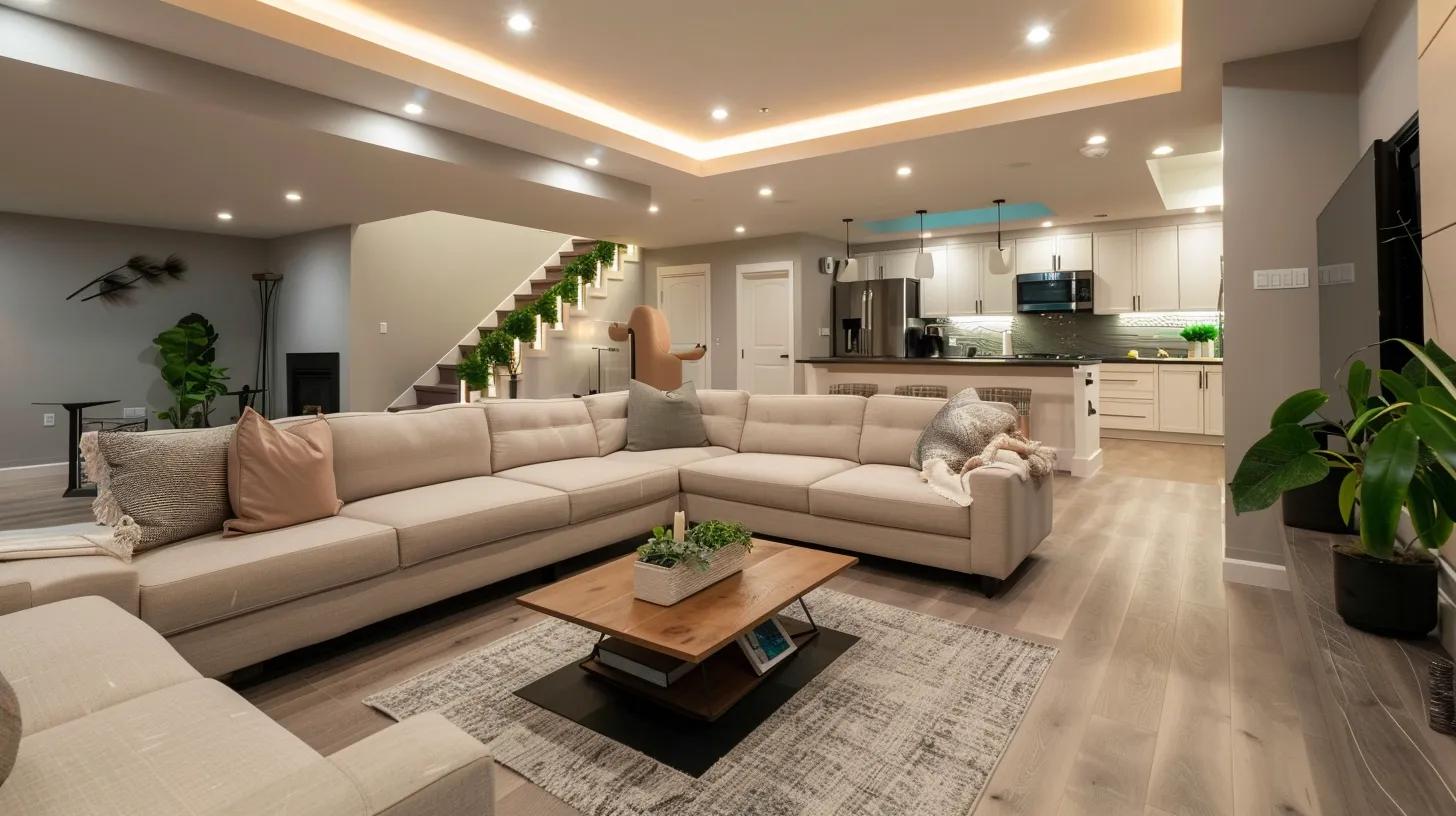
A basement renovation can significantly increase a home’s usable space and value. It involves careful planning to decide how the area will be used, choosing appropriate materials, and budgeting for costs like flooring, insulation, and ceiling options. A well-planned basement renovation transforms an underutilized area into a functional and comfortable living space tailored to the homeowner’s needs.
Renovating a basement requires a clear understanding of the space’s current condition and potential challenges, such as moisture control and structural considerations. Engaging professionals and choosing the right design elements ensures the finished basement is both practical and stylish. This combination of smart planning and quality execution makes the project manageable and effective.
Planning a Basement Renovation
A basement renovation requires thorough preparation to ensure a functional, safe, and cost-effective outcome. Key early steps include assessing the physical state of the basement, deciding on a realistic budget, securing necessary permits, and carefully planning the design and layout.
Evaluating Basement Condition
The first step is to inspect the basement for moisture issues, structural integrity, and ventilation. Dampness or leaks must be addressed before any renovations begin, using methods like improved aeration or waterproofing.
Checking for cracks in foundation walls and floors is essential. These could indicate settling or water intrusion risks that might need professional repair.
Adequate lighting, ceiling height, and insulation should also be evaluated. Older basements often require electrical upgrades or insulation improvements to meet modern building codes and comfort standards.
Setting a Renovation Budget
Creating a clear budget helps prioritize renovation tasks and avoid overspending. It should cover materials, labor, permits, and unexpected repairs.
Costs vary depending on the intended use—basic finishing costs less than installing a bathroom or kitchen. Including a contingency of 10-20% for unforeseen issues is advisable.
Budgeting for quality materials and professional contractors can reduce future maintenance costs. Tracking expenses against the planned budget throughout the project keeps the renovation manageable.
Obtaining Permits and Approvals
Before work begins, permits must be secured from local authorities. Necessary permits commonly include electrical, plumbing, and structural modifications.
Failure to obtain permits can result in fines or complications when selling the home. Permit applications often require detailed plans showing compliance with building codes and safety standards.
Contractors typically assist with this process. Homeowners should verify that all approvals are in place to avoid delays or legal issues.
Design and Layout Considerations
Planning the layout involves deciding on room functions, circulation, and storage options to maximize the space’s utility.
Incorporating natural light sources and establishing adequate ceiling height improve comfort. Design choices should also consider insulation and soundproofing.
Space division can accommodate multiple purposes, such as a family room, guest area, or home office. Thoughtful placement of electrical outlets, lighting, and heating ensures practicality.
Using flexible furniture and built-in storage will help keep the basement organized and adaptable over time.
Key Steps in Basement Renovation
A successful basement renovation requires careful attention to structural and environmental factors, followed by systematic construction work. Finally, selecting materials and design elements will ensure the space is functional and visually appealing.
Addressing Moisture and Insulation
Moisture control is critical in basement renovations to prevent mold, damage, and poor air quality. Inspect the foundation for leaks or cracks and install a reliable waterproofing system if needed. This may include exterior drainage solutions, interior sealants, or a sump pump.
Proper insulation keeps the basement warm and energy-efficient. Rigid foam board insulation on walls is common, as it resists moisture and provides consistent thermal protection. Ensure insulation is installed behind framing without gaps to avoid cold spots.
Ventilation also plays a role in moisture management. Installing vents or a dehumidifier helps maintain dry air and supports long-term durability.
Framing and Electrical Work
Framing defines the basement’s layout and supports walls and ceilings. Use moisture-resistant wood or metal studs to frame walls and partitions, allowing flexibility for room configurations like bedrooms, offices, or recreation areas.
Electrical work must meet local building codes and includes wiring for outlets, lighting, and any appliances. Plan lighting to maximize brightness and warmth, often with recessed fixtures or wall sconces.
Early coordination between framing and electrical teams prevents future alterations. Running wiring before wall panels are installed reduces labor and ensures clean finishes.
Flooring and Ceiling Solutions
Basement flooring must handle potential moisture and temperature fluctuations. Popular choices include vinyl planks, engineered hardwood, or ceramic tile, all offering durability and water resistance.
Subfloor systems can provide extra insulation and moisture barriers beneath the flooring for added comfort and protection.
Ceiling options include drywall for a polished look or drop ceilings for easy access to pipes and wiring. Acoustic tiles may reduce noise, while exposed beams can be painted or treated for a more industrial style.
Finishing Touches and Decor
Finishing touches complete the basement’s functionality and style. Painting walls with moisture-resistant paint adds durability and brightness.
Choose trim and molding that withstand basement conditions. Incorporate built-in shelving or storage to maximize usable space.
Lighting accents, area rugs, and furniture selection influence comfort and atmosphere. Focus on creating a balanced and inviting environment suited to the room’s purpose.
Keep an eye for more latest news & updates on Daily!