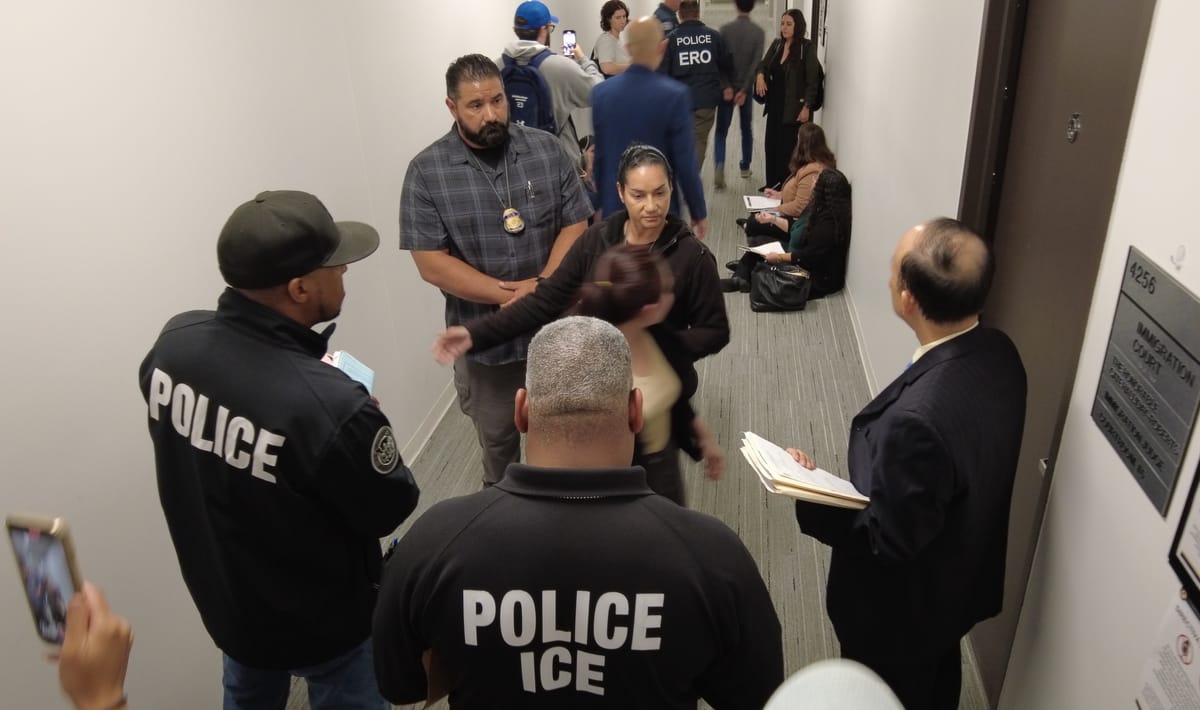
When someone is taken into custody by immigration authorities, time becomes the most confusing element of the process. Families often don’t know what will happen next, how quickly decisions are made, or when release might even be possible. Understanding the typical timeline after an immigration arrest can help reduce uncertainty and clarify what steps may lie ahead.
This article walks through the detention and bond process in chronological order, focusing on what usually happens and why each stage matters.
Step 1: Initial Arrest and Transfer to ICE Custody
An immigration arrest can happen in several ways—during a traffic stop, after a jail release, or through workplace enforcement. Once ICE takes custody, the individual is typically transferred to a detention facility. This may happen quickly or after a short holding period, depending on location and circumstances.
At this stage, detainees are assigned an A-number, which becomes the primary identifier for their immigration case.
Step 2: Custody Classification and Bond Eligibility Review
After detention, ICE reviews the individual’s background. This internal assessment looks at immigration history, prior court orders, criminal records, and perceived risk. Based on this review, ICE may:
- Set a bond amount
- Deny bond
- Refer the case to immigration court for a bond hearing
This stage is critical because it determines whether release is even possible while the case proceeds.
Step 3: Bond Hearing Before an Immigration Judge
If ICE does not grant bond or sets an excessively high amount, the detainee may request a bond hearing. During this hearing, an immigration judge decides whether release is appropriate and, if so, what bond amount should apply.
Judges consider factors such as:
- Length of residence in the U.S.
- Family and community ties
- Employment history
- Prior compliance with court orders
Because this hearing focuses only on custody—not the immigration case itself—many families seek information about the role of an Immigration Bond Lawyer to understand how arguments are presented and evaluated during this phase.
Step 4: Paying the Bond and Release
If a bond is granted, payment must be made to ICE, usually in person at a designated office. Bonds must be paid in full, and only certain individuals are eligible to post them. Once payment is processed, release typically follows within days, though timelines vary by detention center.
Release on bond allows the individual to return home, but it comes with obligations.
Step 5: Life After Release on Bond
Being released does not mean the case is over. The individual must attend all immigration court hearings, comply with reporting requirements, and update addresses as required. Failure to do so can result in re-detention and loss of the bond amount.
The bond acts as a guarantee of compliance, not legal status.
Why Understanding the Timeline Matters
Many families experience unnecessary stress because they expect immediate outcomes—either release or deportation. In reality, immigration detention is a process with multiple decision points. Knowing what typically happens next allows families to plan, gather documents, and respond appropriately rather than reacting out of fear.
Immigration bonds exist to preserve due process, but timing, preparation, and eligibility all influence how effective that option may be.
Final Perspective
An immigration arrest sets off a chain of legal events, not a single decision. From custody review to bond hearings and eventual release, each stage serves a specific purpose within the system. Understanding this timeline helps individuals and families navigate detention with clearer expectations and better awareness of their options.
Stay connected and never miss an important update. Daily