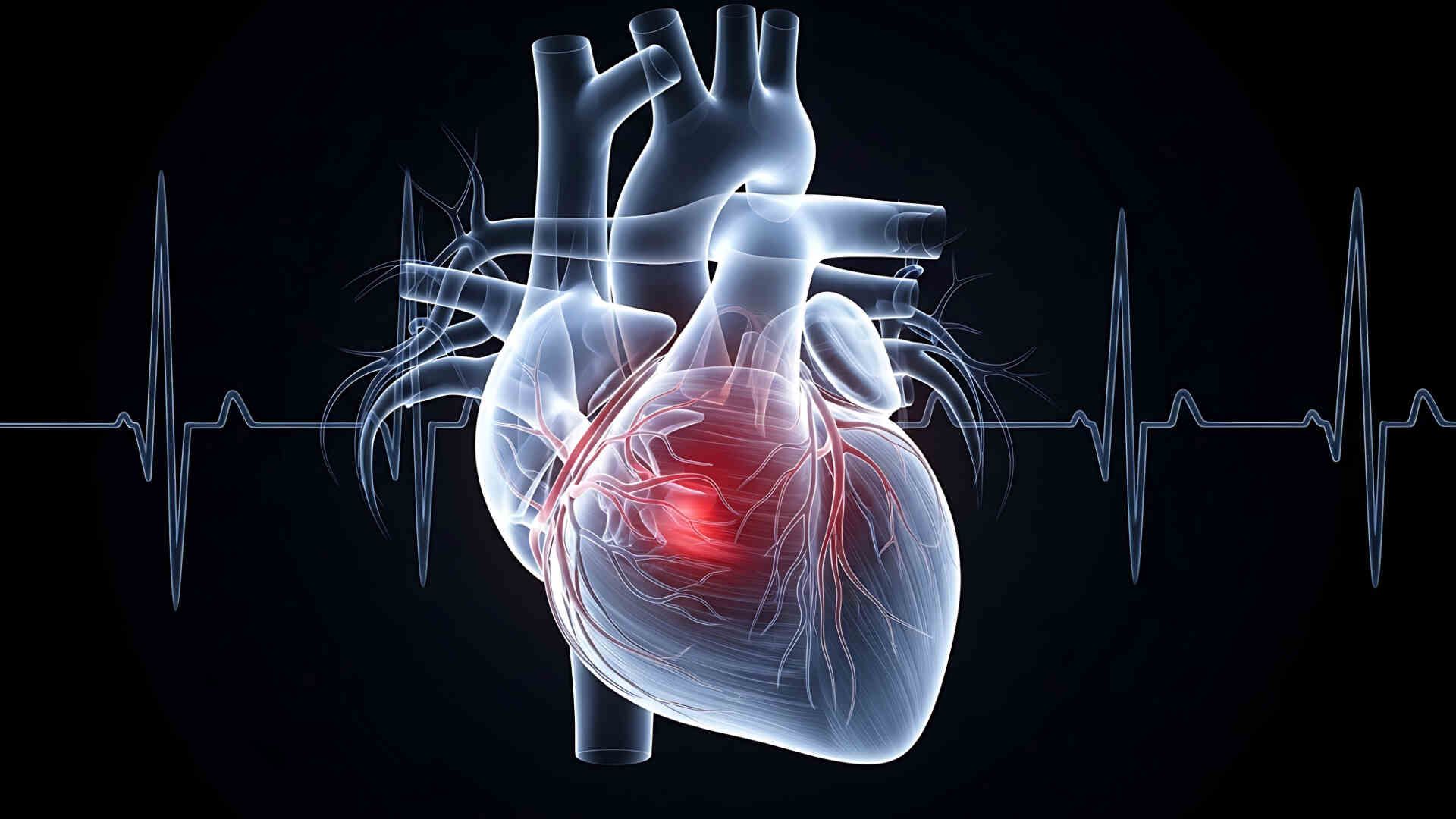
Heart disease remains one of the leading causes of death globally, yet a significant portion of cardiovascular conditions can be prevented through lifestyle management and early intervention. Understanding CARDIOLOGY Lifestyle and Prevention is essential for maintaining long-term heart health. From nutrition and physical activity to stress management and routine screenings, proactive measures can significantly reduce the risk of heart disease while improving overall quality of life.
Leading institutions like Liv Hospital emphasize a comprehensive, patient-centered approach to cardiovascular health. Their programs integrate medical expertise with lifestyle guidance to ensure that patients not only manage risk factors but also thrive physically and emotionally.
This article explores key strategies for heart health, the role of lifestyle in prevention, and practical steps individuals can take to protect their cardiovascular system.
Understanding the Role of Lifestyle in Cardiovascular Health
Lifestyle choices have a direct impact on heart function, blood vessels, and overall cardiovascular wellness. While genetics and age play a role in heart disease risk, modifiable behaviors such as diet, exercise, and stress management are crucial determinants of heart health.
Poor lifestyle habits, including sedentary behavior, unhealthy eating, smoking, and excessive alcohol consumption, contribute to the development of conditions like:
- Hypertension (high blood pressure)
- Hyperlipidemia (high cholesterol levels)
- Obesity
- Type 2 diabetes
- Chronic inflammation
Adopting a heart-healthy lifestyle reduces the burden of these risk factors, improves quality of life, and lowers the likelihood of cardiovascular events.
Nutrition for a Healthy Heart
A heart-healthy diet is one of the most powerful tools in CARDIOLOGY Lifestyle and Prevention. Proper nutrition helps maintain optimal weight, cholesterol levels, and blood pressure. Key dietary principles include:
Focus on Whole Foods
- Fruits and Vegetables: Rich in antioxidants, vitamins, and fiber, they help reduce oxidative stress and inflammation.
- Whole Grains: Oats, brown rice, and whole wheat improve cholesterol levels and support heart health.
- Lean Proteins: Fish, poultry, legumes, and nuts provide essential nutrients without excessive saturated fats.
Limit Unhealthy Fats and Sodium
- Reduce intake of trans fats and saturated fats, which contribute to plaque buildup in arteries.
- Minimize processed foods high in sodium to prevent hypertension.
Balance and Moderation
Eating in moderation and maintaining a balanced diet prevents obesity and promotes consistent energy levels, both of which are critical for cardiovascular health.
Dietary guidance provided by specialized cardiac centers like Liv Hospital helps patients create individualized nutrition plans that meet their specific health needs and preferences.
Physical Activity and Exercise
Regular physical activity strengthens the heart muscle, improves blood circulation, and enhances overall metabolic health. Exercise also helps regulate weight, reduce stress, and improve cholesterol and blood pressure levels.
Recommended Guidelines
- Aerobic Exercise: At least 150 minutes of moderate-intensity activity per week, such as walking, cycling, or swimming.
- Strength Training: Two sessions per week to maintain muscle mass and metabolic efficiency.
- Flexibility and Balance Exercises: Yoga or stretching routines reduce injury risk and improve circulation.
Consistency is more important than intensity. Even small, daily activities like taking the stairs, walking after meals, or short exercise breaks can have significant long-term benefits.
Weight Management
Obesity is a major risk factor for heart disease, diabetes, and stroke. Maintaining a healthy body weight reduces the strain on the heart and prevents metabolic disorders.
Strategies for Healthy Weight
- Set realistic weight goals and track progress.
- Combine regular physical activity with balanced nutrition.
- Avoid fad diets; focus on sustainable, long-term habits.
- Seek professional guidance if necessary, such as dietitians or cardiac specialists.
Programs at Liv Hospital provide integrated support for patients seeking to achieve or maintain a healthy weight as part of a preventive cardiac care plan.
Stress Management and Mental Health
Chronic stress and anxiety contribute to elevated blood pressure, increased heart rate, and inflammation, all of which raise cardiovascular risk. Managing stress is a key component of CARDIOLOGY Lifestyle and Prevention.
Effective Stress-Reduction Techniques
- Mindfulness and Meditation: Promote relaxation and lower stress hormone levels.
- Regular Exercise: Reduces tension and improves mood through endorphin release.
- Social Support: Maintaining strong relationships provides emotional resilience.
- Professional Counseling: Psychologists and therapists help manage chronic stress, anxiety, or depression.
Prioritizing mental health supports not only the cardiovascular system but also overall quality of life.
Avoiding Harmful Substances
Certain substances increase cardiovascular risk dramatically. Preventive measures include:
- Quit Smoking: Smoking damages blood vessels, accelerates plaque buildup, and increases the risk of heart attacks.
- Limit Alcohol Consumption: Excessive drinking raises blood pressure and contributes to cardiomyopathy.
- Avoid Illicit Drugs: Substances like cocaine and methamphetamines can cause sudden cardiac events.
Education on these risks and structured support programs, such as those offered by Liv Hospital, help patients adopt safer, healthier habits.
Regular Medical Checkups and Screening
Preventive care is critical for early detection of cardiovascular disease. Routine screenings allow doctors to identify risk factors before they result in serious complications.
Essential Tests
- Blood Pressure Monitoring: Detects hypertension early.
- Cholesterol and Lipid Profiles: Identify elevated LDL or low HDL cholesterol.
- Blood Sugar Tests: Detect diabetes or prediabetes.
- Electrocardiograms (ECG): Detect arrhythmias and other heart abnormalities.
- Echocardiography or Stress Testing: For patients with symptoms or high-risk profiles.
By integrating lifestyle measures with regular medical monitoring, patients can reduce their cardiovascular risk significantly.
Lifestyle Strategies for Long-Term Heart Health
Combining diet, exercise, weight management, stress reduction, and regular medical evaluations provides a holistic approach to heart health.
- Consistency Over Perfection: Small, daily improvements in nutrition, activity, and stress management are more sustainable than drastic lifestyle overhauls.
- Education and Awareness: Understanding CARDIOLOGY Lifestyle and Prevention empowers patients to make informed choices.
- Customized Plans: Individualized strategies tailored to age, health status, and risk factors yield better long-term results.
- Community and Support: Group programs or wellness communities improve adherence to healthy habits.
Institutions like Liv Hospital offer comprehensive programs that integrate these elements, ensuring that patients not only reduce risk but also regain energy, vitality, and confidence. These measures allow individuals to truly live and feel empowered in their daily lives.
Emerging Technologies in Preventive Cardiology
Technology enhances preventive strategies by offering real-time monitoring, personalized insights, and predictive analytics.
- Wearable Devices: Track heart rate, physical activity, sleep, and even blood pressure.
- Remote Monitoring: Allows healthcare providers to monitor patients’ cardiovascular status from a distance.
- AI and Predictive Analytics: Identify subtle risk patterns and alert patients to potential problems early.
- Mobile Health Apps: Encourage healthy habits through reminders, diet tracking, and virtual coaching.
These innovations complement lifestyle strategies, making prevention more accessible and personalized.
The Role of Education and Awareness
Patient education is central to cardiovascular prevention. Understanding risk factors, recognizing early symptoms, and adhering to healthy habits empower individuals to take control of their heart health.
Healthcare providers and specialized centers like Liv Hospital offer workshops, counseling sessions, and educational resources that support patients in maintaining long-term heart health.
Conclusion
Heart disease may be widespread, but many of its complications are preventable through proactive lifestyle choices and regular monitoring. Emphasizing CARDIOLOGY Lifestyle and Prevention, including balanced nutrition, consistent exercise, stress management, avoidance of harmful substances, and routine medical checkups, dramatically reduces risk.
By adopting these strategies, individuals can live healthier, longer lives, minimizing cardiovascular complications while improving overall vitality. Programs provided by institutions like Liv Hospital empower patients to regain control, stay active, and enjoy life fully.
Stay in touch to get more updates & news on Daily!